

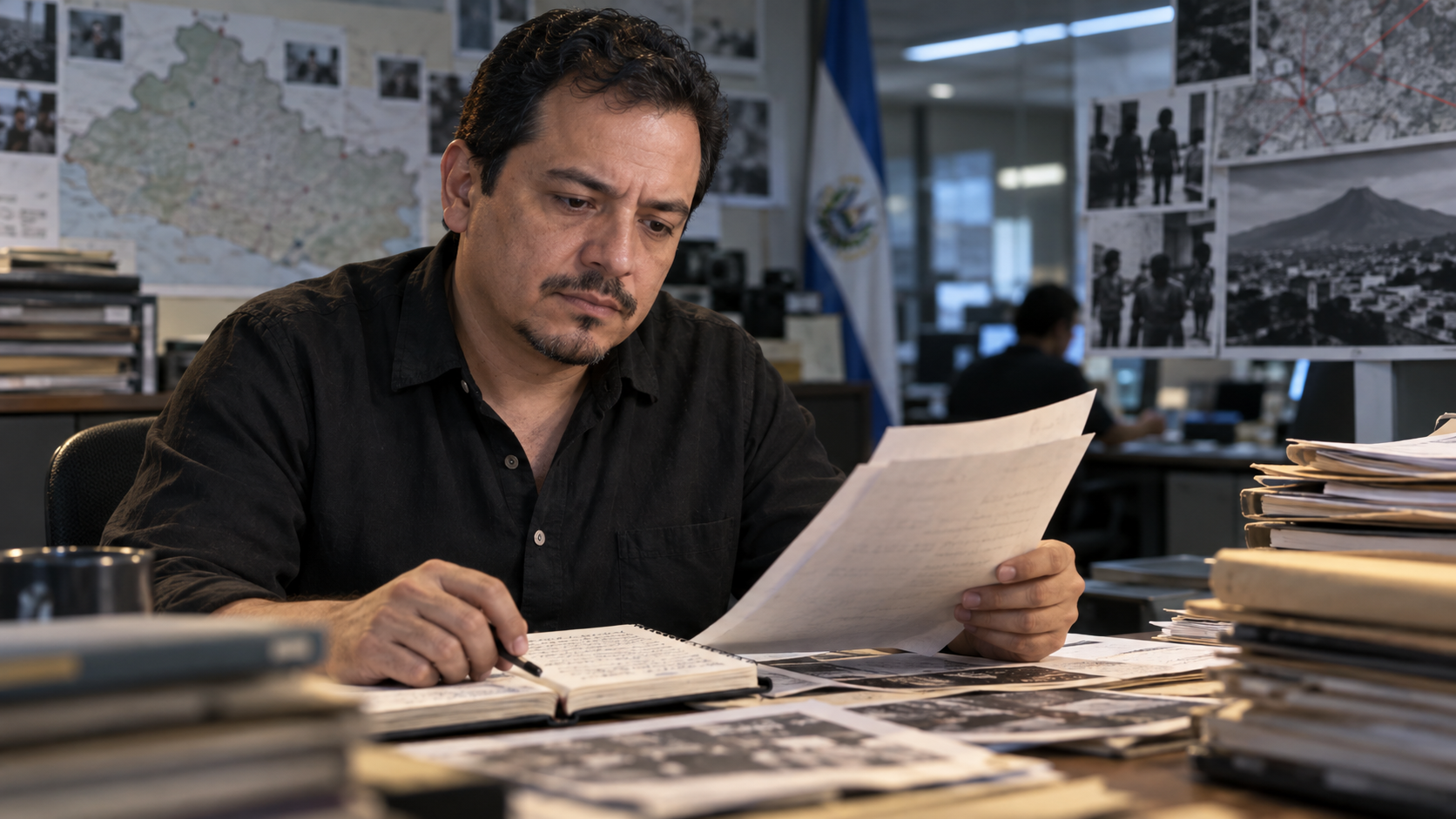
“This woman demanded only one thing: tell the story. Tell it well.”
Óscar Martínez spoke these words in his 2016 CPJ International Press Freedom Award address while recounting an El Faro investigation into killings at a Salvadoran ranch. A surviving witness named Consuelo challenged the official account and accepted severe personal risk so the events could be documented. Her request was simple in wording but demanding in practice. To tell the story meant refusing institutional silence; to tell it well meant building a verifiable account that respected the people whose testimony made the investigation possible. The sentence joins journalistic craft with an obligation to sources who cannot publish the evidence themselves.
Telling a dangerous story well begins with reconstruction. Reporters compare witness accounts, physical evidence, timelines, official statements, court records, and expert analysis. They identify what each source could actually know and separate direct observation from later inference. The accused institution receives a serious opportunity to respond, but its denial does not erase corroborated facts. Editors test language for unsupported certainty and ensure that the headline matches the evidence. These steps are not obstacles to forceful journalism. They are what allow an investigation to challenge a powerful narrative without reproducing the carelessness it exposes.
The quote also raises a difficult duty of care. Publication can increase danger for a source even when that person chooses to be named. Consent should be revisited as circumstances change, and promises about confidentiality must be realistic and precise. Newsrooms need security assessments, encrypted communication, legal support, and plans for harassment or displacement. They must not imply that a source is safe simply because publicity may deter retaliation. Telling the story well includes explaining risk honestly and avoiding details that add drama while providing little public value.
Finally, good telling continues after the first article. Investigative subjects may face trials, threats, policy changes, or neglect long after attention moves elsewhere. Follow-up reporting checks whether authorities acted, whether evidence held up, and whether sources experienced consequences the newsroom should document. It also corrects the record when new facts emerge. Martínez’s sentence resists the idea that courage alone makes journalism effective. The source’s demand is fulfilled through careful proof, humane treatment, clear writing, institutional backing, and persistence long enough for the public to understand both the event and what followed it. Collaboration can extend that protection by distributing evidence across outlets and reducing the chance that silencing one reporter will erase the work. Shared archives also make later verification and follow-up more resilient.
Martínez used the line in his 2016 CPJ acceptance speech while describing Consuelo, a witness whose testimony helped El Faro challenge the official account of killings at the San Blas ranch.
Telling it well requires corroboration, accurate timelines, right of reply, proportionate conclusions, and precise language. It also includes renewed consent and realistic source-security planning.
A strong investigation does not end at publication. Trials, retaliation, institutional promises, new evidence, and the source's circumstances all deserve documented follow-up.
Explore more "Quotes of The Day"
Discover more notable quotes from influential voices across politics, science, business, technology, sports, and culture. Each quote offers insight into how ideas, beliefs, and decisions shape the world around us.