

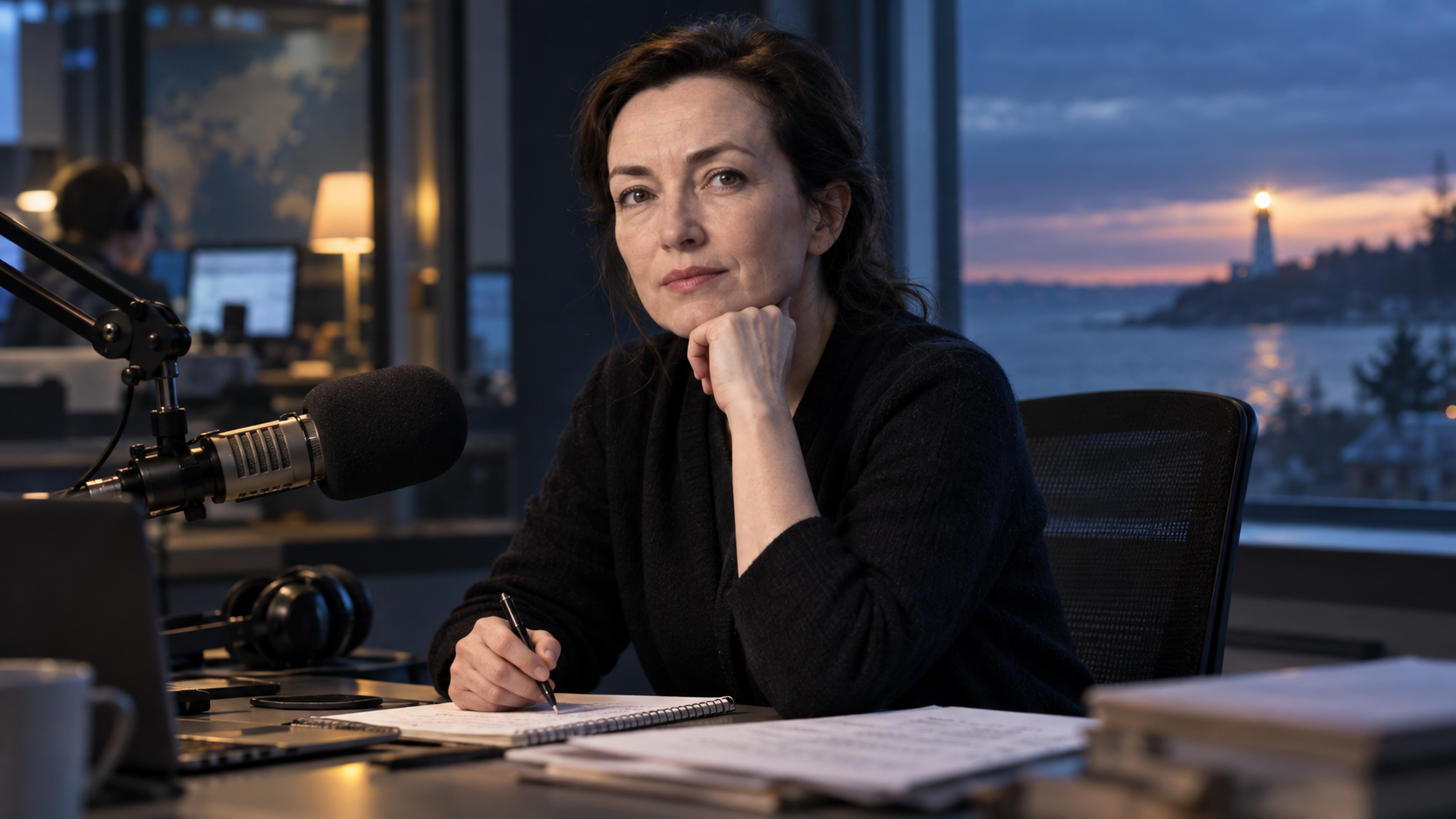
“As journalists, we can shine the light of truth into the darkest corners of the world.”
Alsu Kurmasheva spoke these words at CPJ’s 2024 press freedom ceremony, months after her release from a Russian prison. The Radio Free Europe/Radio Liberty editor had been detained for more than nine months and convicted on charges widely condemned as retaliation for journalism. In prison, she shaped a small lighthouse from snow and used a yellow candy wrapper for its light. The image became the speech’s central metaphor: reporting can illuminate places where censorship, fear, and official power try to control what people are allowed to know. Her sentence joins that hope with the cost that independent journalists may be forced to bear.
Kurmasheva’s career gives the metaphor a practical meaning. Her work has served Tatar and Bashkir communities with accurate, uncensored reporting in their own languages, including coverage of human rights, culture, gender, and domestic violence. Illumination is not simply revealing a dramatic secret. It can mean maintaining a dependable flow of verified information for audiences whom national media marginalize. That requires language fluency, cultural knowledge, trusted sources, and careful explanation of how laws and political decisions affect ordinary lives. A beacon is useful because people can orient themselves by it; journalism serves the same function when it is consistent, comprehensible, and credible.
The light metaphor should not hide the methods that make reporting trustworthy. Journalists must authenticate documents, test witness accounts, distinguish verified facts from allegations, and seek responses from implicated institutions. They should explain uncertainty instead of filling gaps with confidence. In repressive environments, those tasks also include protecting sources, limiting exposed metadata, and deciding when a detail’s public value does not justify the danger of publication. Courage may bring a story into view, but disciplined verification keeps that story from being dismissed or manipulated by authorities who benefit from confusion.
Kurmasheva also used her speech to name colleagues still imprisoned in Russia, Belarus, Azerbaijan, and Iran. That solidarity expands the responsibility beyond a single award or release. News organizations can keep detained journalists visible, preserve their work, support families, fund legal defense, and continue investigations that repression was intended to stop. Audiences, too, should understand that attacks on a reporter restrict the information available to everyone. The quote endures because it refuses both despair and romanticism. Journalism’s light comes from painstaking work, institutional support, and repeated public attention. It shines most clearly when accurate reporting reaches communities in forms they can use and when colleagues ensure that a prison cell cannot turn a journalist or a story into darkness.
Kurmasheva used the lighthouse metaphor in her 2024 CPJ speech after recalling a small lighthouse she built from snow during more than nine months of wrongful detention in Russia.
Her minority-language reporting shows that illumination includes dependable coverage of culture, rights, gender, and public life for audiences often underserved by national media.
Verification, source security, legal support, family assistance, and continued attention to jailed colleagues turn solidarity into practical resistance against censorship.
Explore more "Quotes of The Day"
Discover more notable quotes from influential voices across politics, science, business, technology, sports, and culture. Each quote offers insight into how ideas, beliefs, and decisions shape the world around us.