

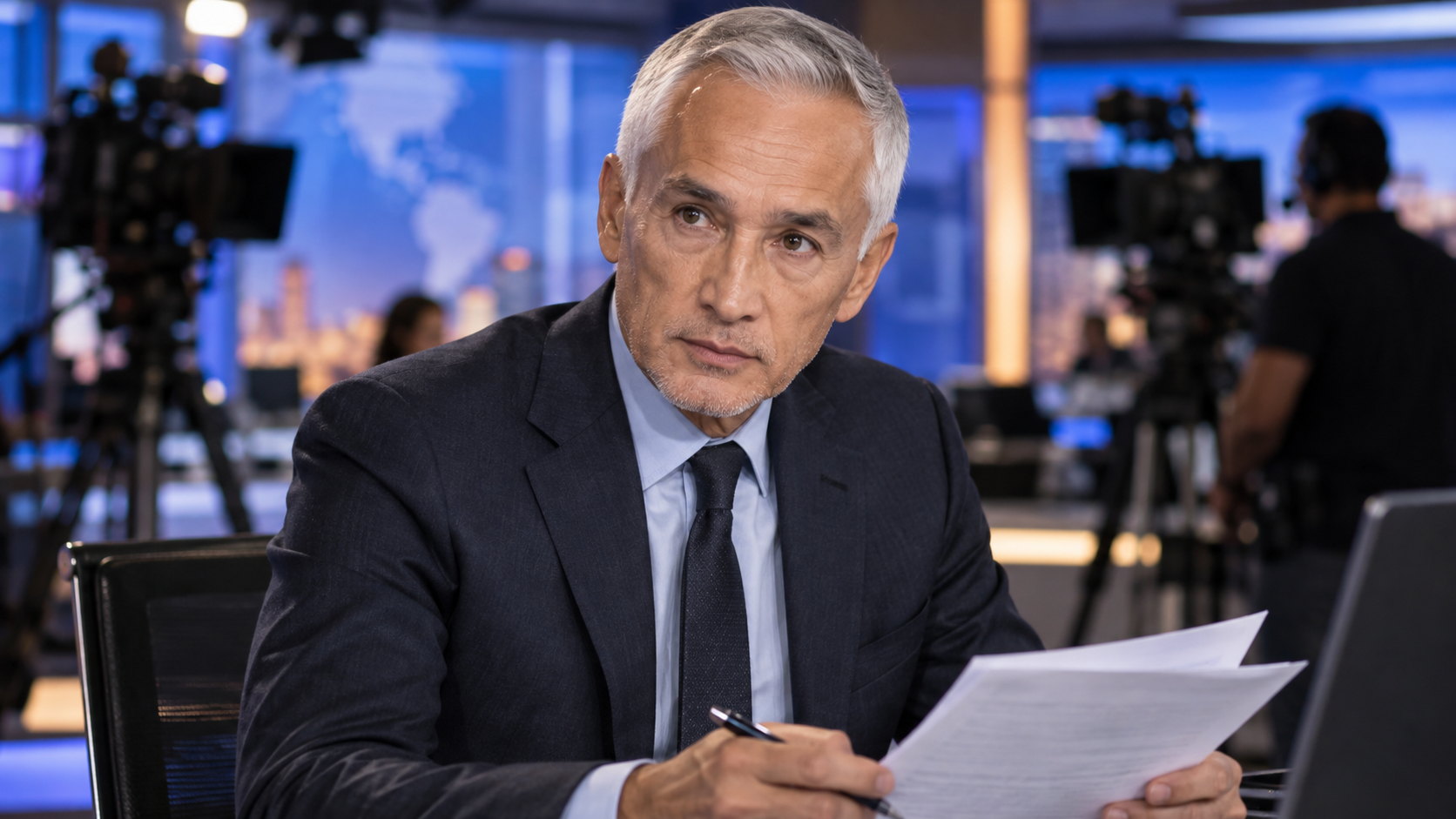
“Silence is the worst sin in journalism.”
Jorge Ramos delivered this judgment in his 2014 Committee to Protect Journalists award speech. He argued that reporters have a moral obligation to confront abuses, defend vulnerable people, and speak truth to power while remaining independent of political parties. The sentence was shaped by his experience of censorship, immigration reporting, and interviews with senior officials. Silence, in this context, is not thoughtful restraint while facts are checked. It is the failure to ask, investigate, or publish when credible evidence shows that public power is causing harm and citizens need an accountable record.
Breaking silence begins with reporting, not declaration. Journalists must identify the decision at issue, establish what happened, locate affected people, obtain records, and seek a response from those responsible. A tough question is useful when its premise is accurate and the reporter listens closely enough to pursue an evasive answer. Moral clarity cannot replace documentation. If an investigation is weak, certainty only makes the error louder. Ramos’ standard is strongest when courage and method reinforce each other: the newsroom refuses intimidation while ensuring that every consequential claim can survive serious challenge.
The warning also exposes the risks of access journalism. Reporters may soften questions to preserve invitations, relationships, or future interviews. News organizations may avoid a subject because owners, advertisers, officials, or audiences would react badly. Sometimes silence comes through repetition: an official statement is published while the people living with its consequences remain unheard. Editors can counter these pressures by disclosing conflicts, rotating sources, protecting investigative budgets, and measuring whose questions reach the agenda. Independence includes the ability to risk access when access no longer serves the public.
Ramos distinguished taking a stand from becoming partisan, a boundary that remains important. Journalism can oppose torture, corruption, discrimination, or deliberate deception because evidence and human rights support that judgment; it need not campaign for a party or hide inconvenient facts about allies. Reporters should state standards consistently, publish relevant counterevidence, and correct mistakes regardless of who benefits. Silence is overcome not by louder opinion but by persistent, documented scrutiny. The lasting question is whether the newsroom used its reach to illuminate an abuse or allowed pressure and habit to keep it outside public view. Managers share that responsibility. They must defend staff who ask legitimate questions, prepare for coordinated backlash, and avoid rewarding only the safest assignments or most cooperative sources. Courage needs an institution willing to stand behind the reporting publicly.
Ramos used the line in his 2014 CPJ Burton Benjamin Memorial Award speech while describing journalism as a profession that must challenge power, expose injustice, and learn from failures to question official narratives.
Speaking out is not a substitute for proof. The ethical response to silence joins accurate premises, records, affected voices, right of reply, follow-up questions, and conclusions proportionate to the evidence.
Access, ownership, advertising, and audience pressure can all suppress scrutiny without a formal ban. Source diversity, conflict disclosure, and protected investigative resources reduce that quieter censorship.
Explore more "Quotes of The Day"
Discover more notable quotes from influential voices across politics, science, business, technology, sports, and culture. Each quote offers insight into how ideas, beliefs, and decisions shape the world around us.