

“My strength is not mine alone.”
Indian journalist Neha Dixit made this statement while receiving CPJ’s 2019 International Press Freedom Award. She had described years of workplace sexism, censorship, legal cases, online abuse, rape and death threats, physical intimidation, and warnings directed at her family after investigations of extrajudicial killings and other abuses. Yet Dixit resisted presenting endurance as an individual performance. She credited colleagues whose shoe-leather reporting set an example, especially women journalists working with limited resources and intense pressure. The sentence shifts attention from a celebrated reporter to the network of people and practices that makes difficult journalism possible.
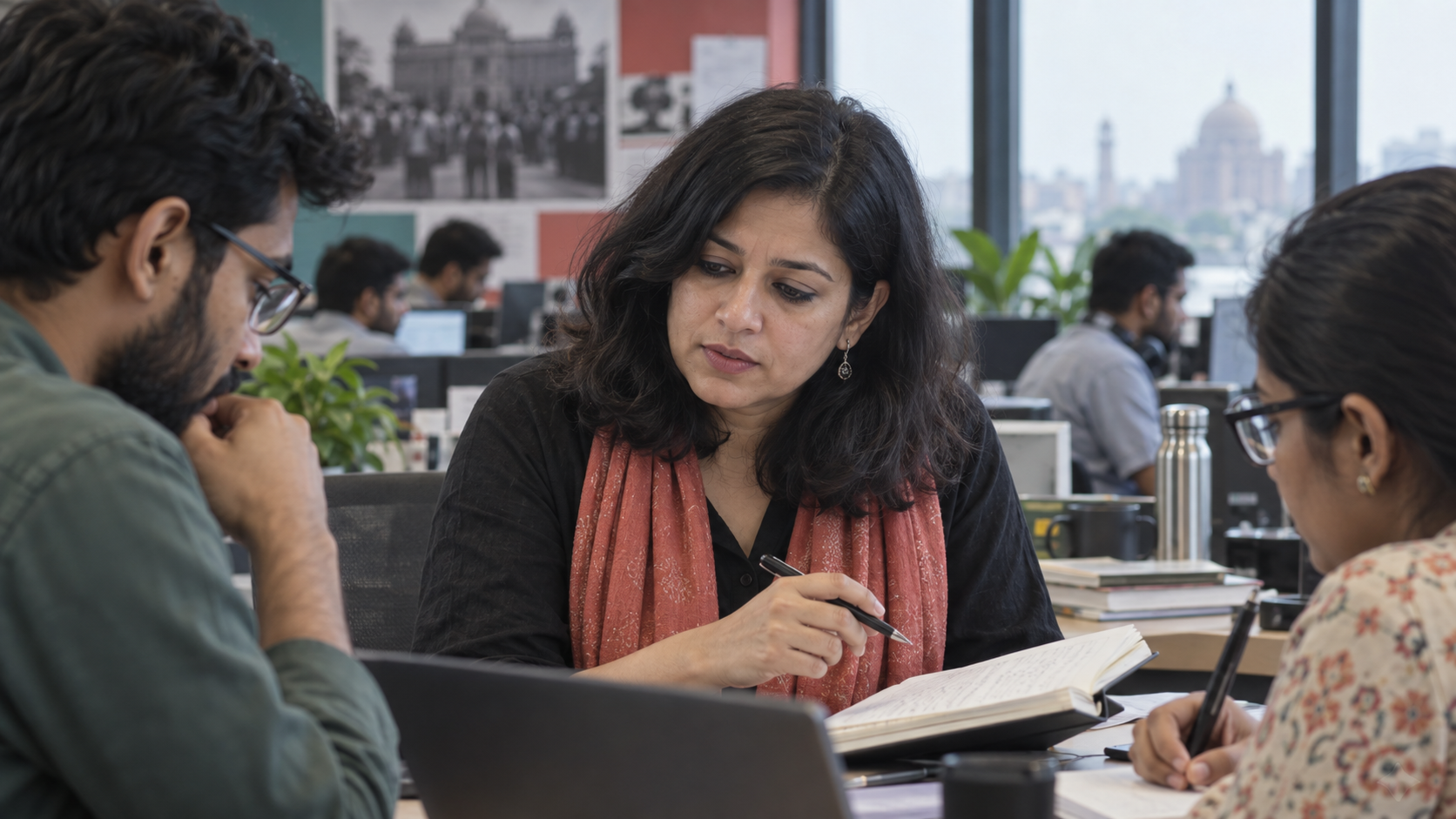
Collective strength begins inside the newsroom. Editors can give reporters time to verify complicated claims, provide legal review before publication, protect confidential sources, and stand publicly behind work when coordinated attacks begin. Colleagues can share documents, compare interviews, and challenge assumptions before they harden into conclusions. These forms of support improve accuracy as well as safety. A reporter who knows that questions and doubts are welcome is less likely to hide uncertainty, overstate evidence, or carry a dangerous assignment alone. Solidarity is therefore an editorial method, not only an emotional response after a threat.
The same principle applies to sources and communities. Investigations of police violence, unlawful detention, health abuses, or discrimination often depend on people who accept real risk to provide testimony and records. Journalists should explain foreseeable consequences, revisit consent as circumstances change, and avoid identifying details that add little public value. Corroboration protects both the story and the source by ensuring that one vulnerable person is not made to bear the entire evidentiary burden. Partnerships with local reporters can add context and language knowledge, but credit, compensation, and security planning must reflect the value of that work.
Dixit’s line remains important in an industry that often celebrates solitary courage while underfunding the structures that sustain it. Awards can recognize an individual, but resilient journalism requires editors, lawyers, researchers, technologists, families, and peer networks prepared to keep the work alive. News organizations should document harassment, create clear escalation routes, and avoid removing targeted reporters from significant beats as a quiet concession to their attackers. Strength is collective when support exists before, during, and after publication. That support allows reporters to continue asking difficult questions without pretending that fear has disappeared. It also reminds audiences that an attack on one journalist is an attempt to restrict the shared information on which public accountability depends.
Dixit delivered the line in her 2019 CPJ acceptance speech after describing sexism, lawsuits, threats, physical intimidation, and the example set by colleagues doing demanding field reporting.
Collective strength improves journalism through verification, legal preparation, shared evidence, source protection, transparent uncertainty, and institutional support during coordinated attacks.
Newsrooms should build safety and solidarity before a crisis, credit local collaborators, preserve reporting materials, and keep targeted journalists connected to consequential work.
Explore more "Quotes of The Day"
Discover more notable quotes from influential voices across politics, science, business, technology, sports, and culture. Each quote offers insight into how ideas, beliefs, and decisions shape the world around us.