

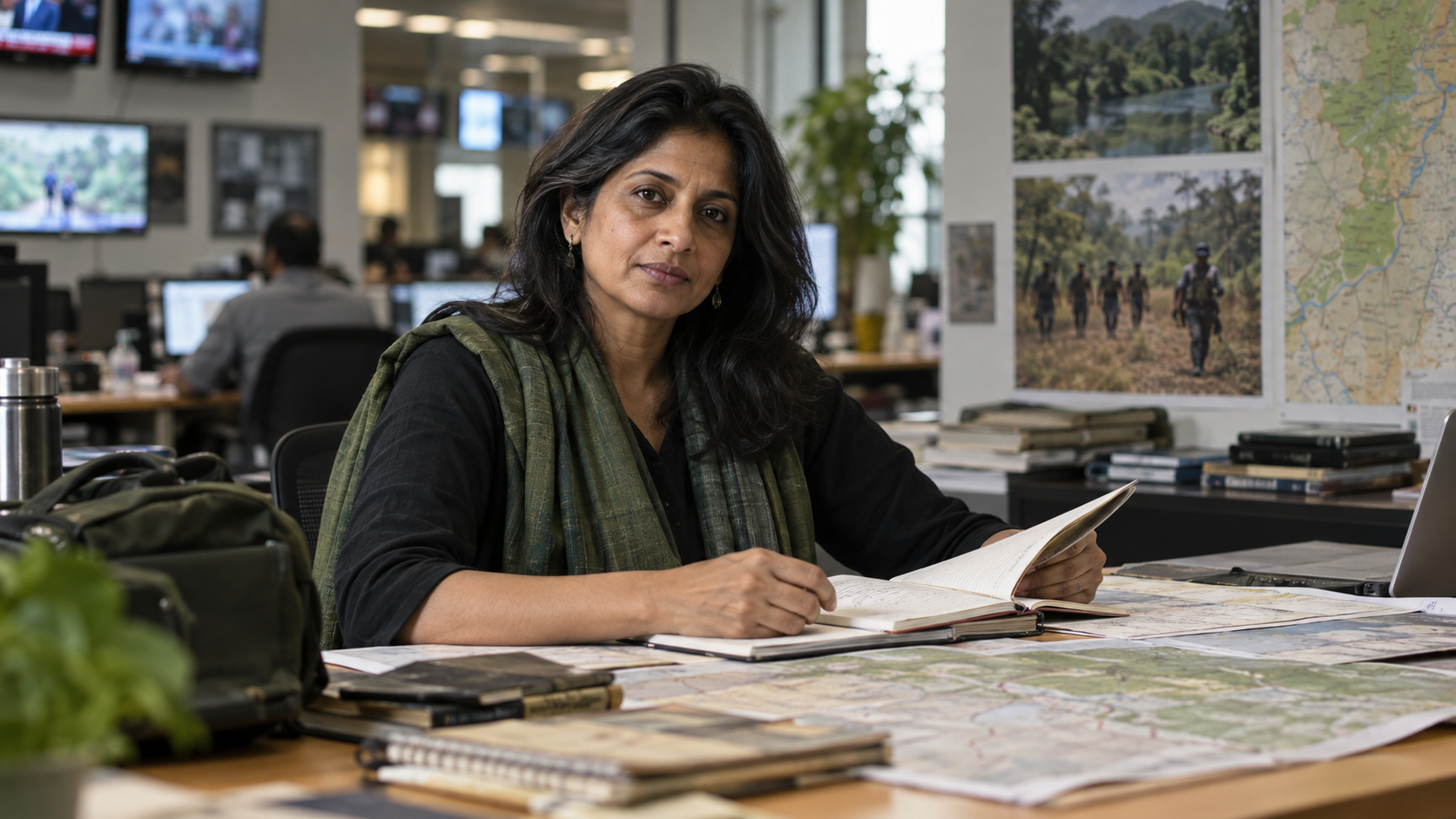
“The press has been under constant attack just for doing its job.”
Indian journalist Malini Subramaniam used this sentence when CPJ honored her for press freedom in 2016. Reporting from Bastar in Chhattisgarh, she investigated alleged abuses connected to conflict between Maoist insurgents and state security forces, including unlawful arrests, killings, sexual violence, school closures, and threats against journalists. Subramaniam described surveillance, vilification, demonstrations outside her home, and an attack that forced her to leave the town where she lived with her daughter. The phrase ‘doing its job’ refers to a basic democratic function: documenting claims from affected people and testing the conduct of institutions that possess weapons, legal authority, and control over access.
Conflict reporting in a remote region demands more than bravery. Journalists need language and cultural knowledge, reliable travel plans, multiple independent sources, and a clear understanding of what each witness could observe. Allegations of violence should be compared with medical records, police documents, court filings, site evidence, and official responses where available. Reporters must also distinguish civilians, activists, armed groups, and political organizations rather than adopting labels supplied by one side. Precision protects communities from misrepresentation and makes it harder for authorities or insurgents to dismiss legitimate scrutiny as propaganda.
Local sources often carry the greatest risk. Indigenous women describing sexual violence, families challenging an official account, and village reporters guiding outsiders may face retaliation after international attention moves on. Consent should be specific and revisited, identifying details minimized when necessary, and expectations about protection stated honestly. Newsrooms should compensate local journalists fairly, include them in security decisions, and avoid publishing dramatic details that offer little evidentiary value. The public interest lies in establishing what happened and who is responsible, not in turning vulnerable people into symbols without agency.
Subramaniam credited editors, lawyers, press organizations, family members, and local advocates who supported her when she was isolated. That network illustrates how newsrooms can respond when reporters are targeted: preserve reporting materials, provide legal and physical security, publish transparent accounts of the harassment, and continue the underlying investigation through collaboration. Governments should investigate threats rather than treating criticism as disloyalty. The quote remains a warning that an attack on a reporter frequently aims beyond the individual. It seeks to remove certain communities and abuses from the public record. Journalism does its job well when verified local testimony, institutional evidence, and sustained follow-up keep those realities visible despite pressure to look away. Safety plans should be revisited as conflict shifts, because yesterday’s route, protection method, or publication timing may no longer be adequate.
Subramaniam made the statement in her 2016 CPJ speech after threats, surveillance, protests, and an attack forced her to leave Bastar, where she covered conflict and human-rights abuses.
Responsible conflict reporting combines local knowledge, corroborated testimony, records, site evidence, precise labels, right of reply, and conclusions proportionate to what can be verified.
Source protection, fair credit for local reporters, legal support, secure archives, and collaborative follow-up keep intimidation from removing vulnerable communities from public attention.
Explore more "Quotes of The Day"
Discover more notable quotes from influential voices across politics, science, business, technology, sports, and culture. Each quote offers insight into how ideas, beliefs, and decisions shape the world around us.