

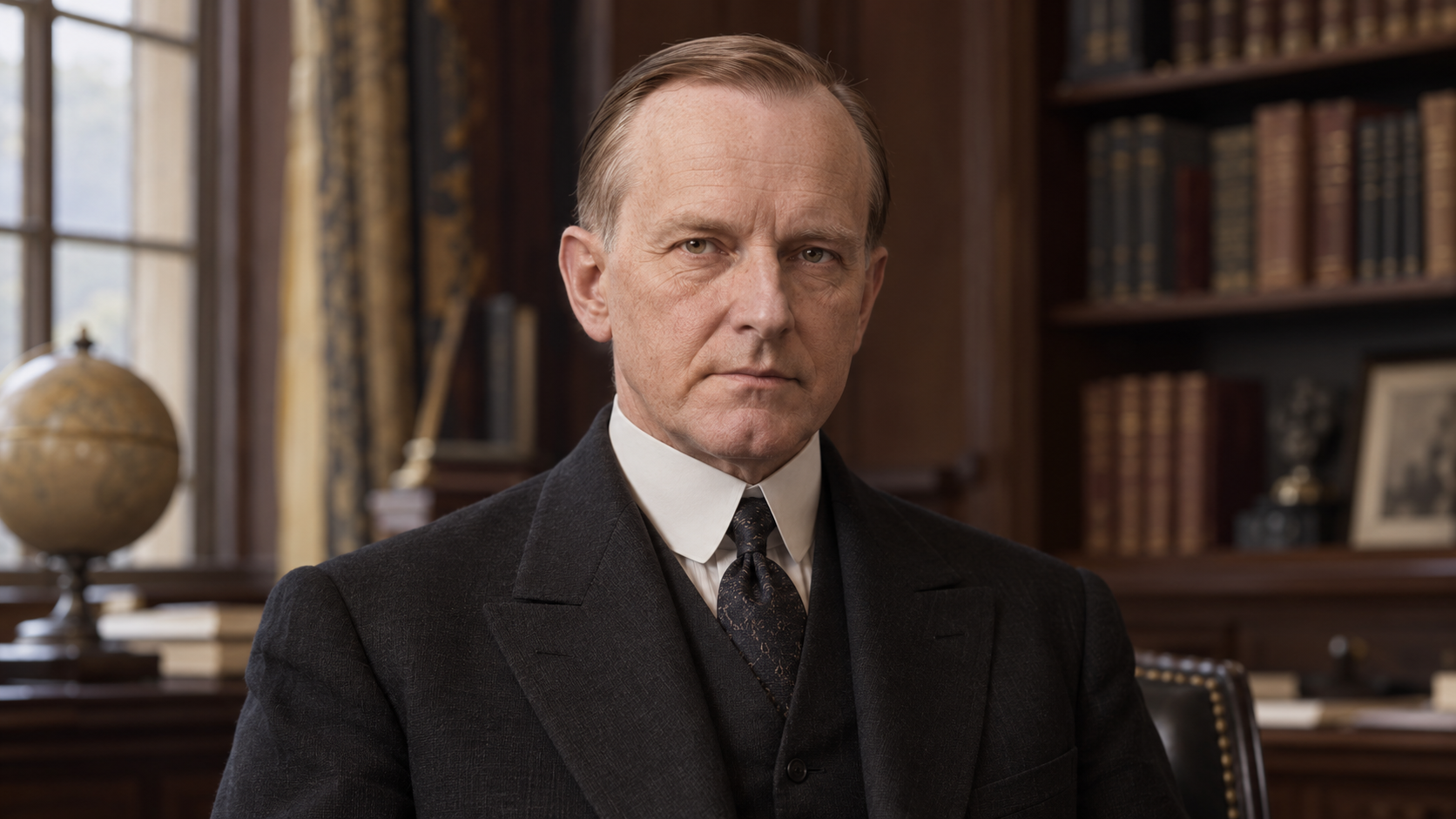
After all, the chief business of the American people is business.
Calvin Coolidge spoke these words to the American Society of Newspaper Editors in Washington, D.C., on January 17, 1925. The sentence is often compressed into a different formulation about the business of America, but that familiar slogan is not his exact wording. The authentic statement also belongs to an address about newspapers, public opinion, and the relationship between journalism and commercial life. Coolidge is considering how the press can understand the concerns of the people it serves. He identifies producing, buying, selling, investing, and prospering as important activities in American life, rather than introducing the sentence as a complete definition of the government’s purpose.
That distinction changes how the remark should be read. Coolidge believes familiarity with business can help a newspaper remain connected to the society around it. Yet his address also discusses the public responsibilities of the press and the danger that information can become propaganda. Commercial participation is not supposed to displace the obligation to report and judge honestly. Newspapers exist in an economic environment, but their political importance comes from the information they supply to citizens. The speech therefore raises a tension that the shortened slogan obscures: a publication needs a workable business model while its value to a republic depends on more than its ability to generate revenue.
Coolidge further qualifies the apparent celebration of wealth by describing it as a means to other achievements. In the same address he places idealism within his account of the American people. The surrounding argument does not erase his favorable view of commerce, but it prevents the quotation from proving that material gain is the only national aim he recognized. Readers should also resist the opposite exaggeration of treating those qualifications as a rejection of business. His position combines confidence in commercial life with a claim that it can support intellectual, moral, and public purposes. Understanding that combination is more useful than choosing between an unqualified endorsement and an equally unqualified denunciation.
The address remains relevant when political debate reduces a complicated statement to a phrase that seems to settle an argument. Reading the whole speech reveals which institution was being discussed, who was listening, and what the speaker added afterward. It also offers a concrete question about journalism: how can economic knowledge and financial viability coexist with independent public judgment? The quotation does not answer every dispute over ownership, advertising, or coverage, but it makes the relationship visible. Coolidge’s authentic wording describes a prominent feature of the people he addressed. His surrounding remarks require readers to examine what that feature serves and whether the institutions interpreting public life retain purposes beyond commercial success.
The address was delivered to newspaper editors on January 17, 1925. The setting concerns the press and public opinion as well as commercial activity.
The familiar phrase about the business of America is a shortened misquotation. This entry preserves Coolidge's actual sentence.
Coolidge argues that newspapers should understand the business currents in which their readers live. He also discusses duties that cannot be reduced to financial advantage.
His treatment of wealth as a means and his emphasis on idealism qualify the sentence. Those qualifications belong in any assessment of its meaning.
A useful modern application concerns the economic conditions of journalism and the independence of its judgments.
The speech demonstrates why a memorable fragment should be checked against its audience and surrounding argument before being used as a summary of a political philosophy.
Explore more "Quotes of The Day"
Discover more notable quotes from influential voices across politics, science, business, technology, sports, and culture. Each quote offers insight into how ideas, beliefs, and decisions shape the world around us.