

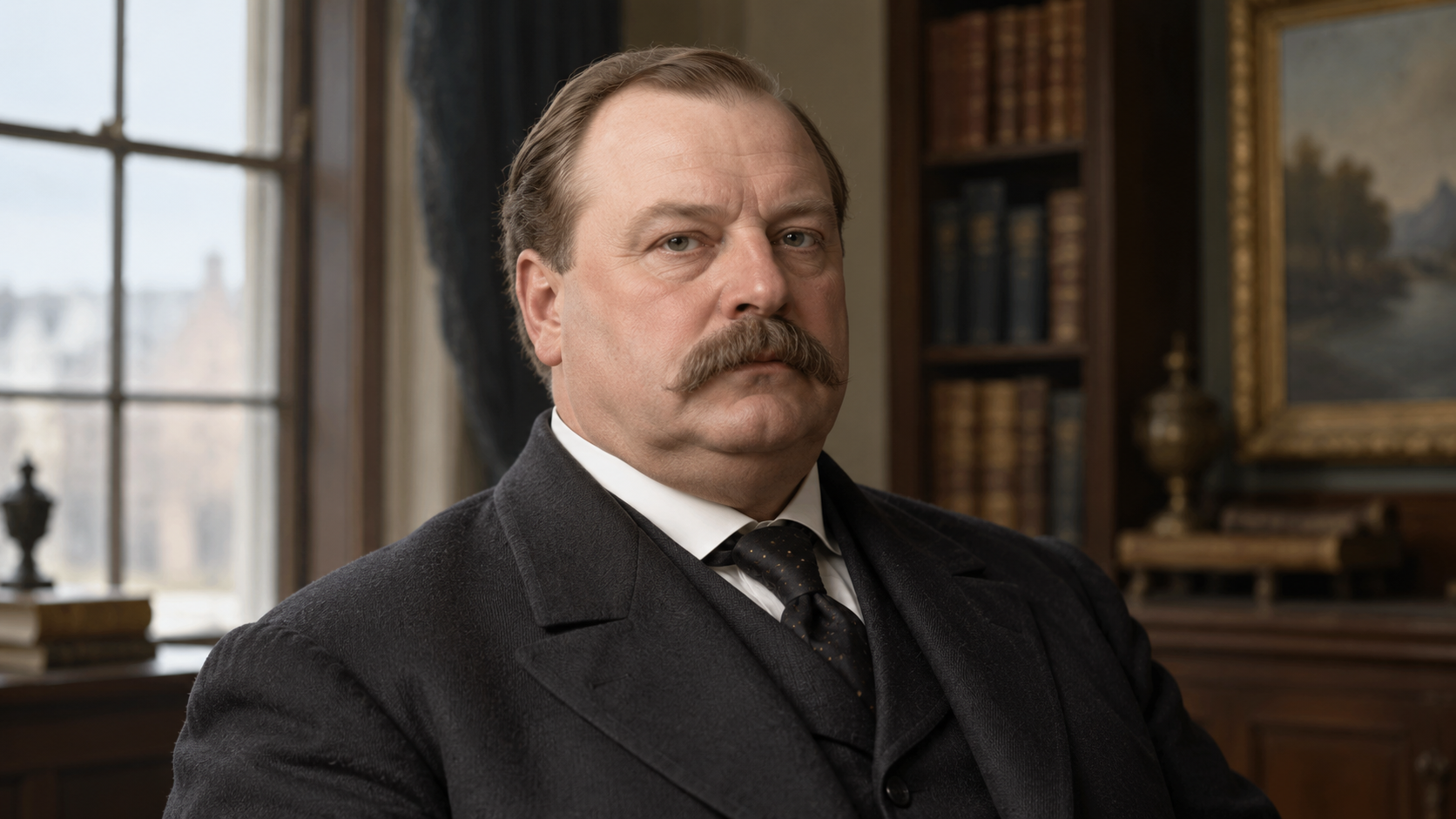
Every citizen owes to the country a vigilant watch and close scrutiny of its public servants and a fair and reasonable estimate of their fidelity and usefulness.
On March 4, 1885, Grover Cleveland used his first inaugural address to set out this civic obligation. He was discussing the responsibilities that belong to citizens as well as to the president. The oath of office, he argued, expressed a constitutional obligation that Americans should share in their own spheres of activity. Voting itself was a public trust, but his account did not end at the ballot box. The quoted sentence asks people to keep watching the officials they have empowered. Its setting is a transfer of presidential authority, when partisan victory might otherwise encourage supporters to relax their attention and defeated voters to withdraw from public affairs.
The sentence joins two demands that can be separated too easily. Vigilance and close scrutiny require citizens to seek evidence, notice failures, and resist treating officeholders as beyond examination. A fair and reasonable estimate requires them to consider that evidence carefully. Fidelity refers to the way officials honor their duties; usefulness asks what their service accomplishes. Cleveland therefore proposes neither unconditional confidence nor permanent suspicion as the measure of good citizenship. An accusation is not established simply because it is politically convenient, and a favorable party label cannot substitute for a record of performance. Public judgment gains authority from the quality of the examination behind it.
Elsewhere in the address, Cleveland makes these concerns more concrete. He supports civil-service reform and criticizes public employment granted solely as a reward for partisan activity. Citizens, he says, should receive protection from incompetent employees and corrupt arrangements surrounding such rewards. That passage connects scrutiny with appointments and administration, rather than limiting it to a president’s speeches. The address also contains exclusionary assumptions about immigration and Indigenous people that prevent its language of common obligation from being read as an entirely inclusive political vision. Recognizing those limits helps readers assess the speech critically while retaining its argument that public officials must answer for their conduct.
Today the passage offers a useful standard for following a council meeting, reading an audit, comparing campaign promises with administrative results, or reviewing an appointment. The relevant questions concern what an official was authorized to do, what evidence records the action, and whom the outcome served. Fairness does not require withholding an adverse judgment when misconduct is substantiated. It requires a defensible connection between judgment and evidence, along with a willingness to revise an assessment when the facts change. Cleveland’s sentence gives citizens a role between elections. Their attention makes accountability a continuing practice, and their restraint helps prevent that practice from becoming another instrument of partisan reward or punishment.
Cleveland spoke on March 4, 1885, at the start of his first presidential term. The sentence appears in a discussion of the citizen's public trust.
He links the president's constitutional obligation with responsibilities exercised by voters and by citizens in everyday public life.
Close scrutiny and fair judgment are complementary requirements. One brings conduct into view; the other governs the conclusions drawn from it.
His discussion of civil-service reform connects these duties with merit, appointments, competence, and the dangers of partisan patronage.
Audits, public records, meeting proceedings, and measurable results can give continuing oversight a factual basis.
The speech's exclusionary passages deserve examination too. Applying its standard fairly means scrutinizing the speaker's own political assumptions.
Explore more "Quotes of The Day"
Discover more notable quotes from influential voices across politics, science, business, technology, sports, and culture. Each quote offers insight into how ideas, beliefs, and decisions shape the world around us.