

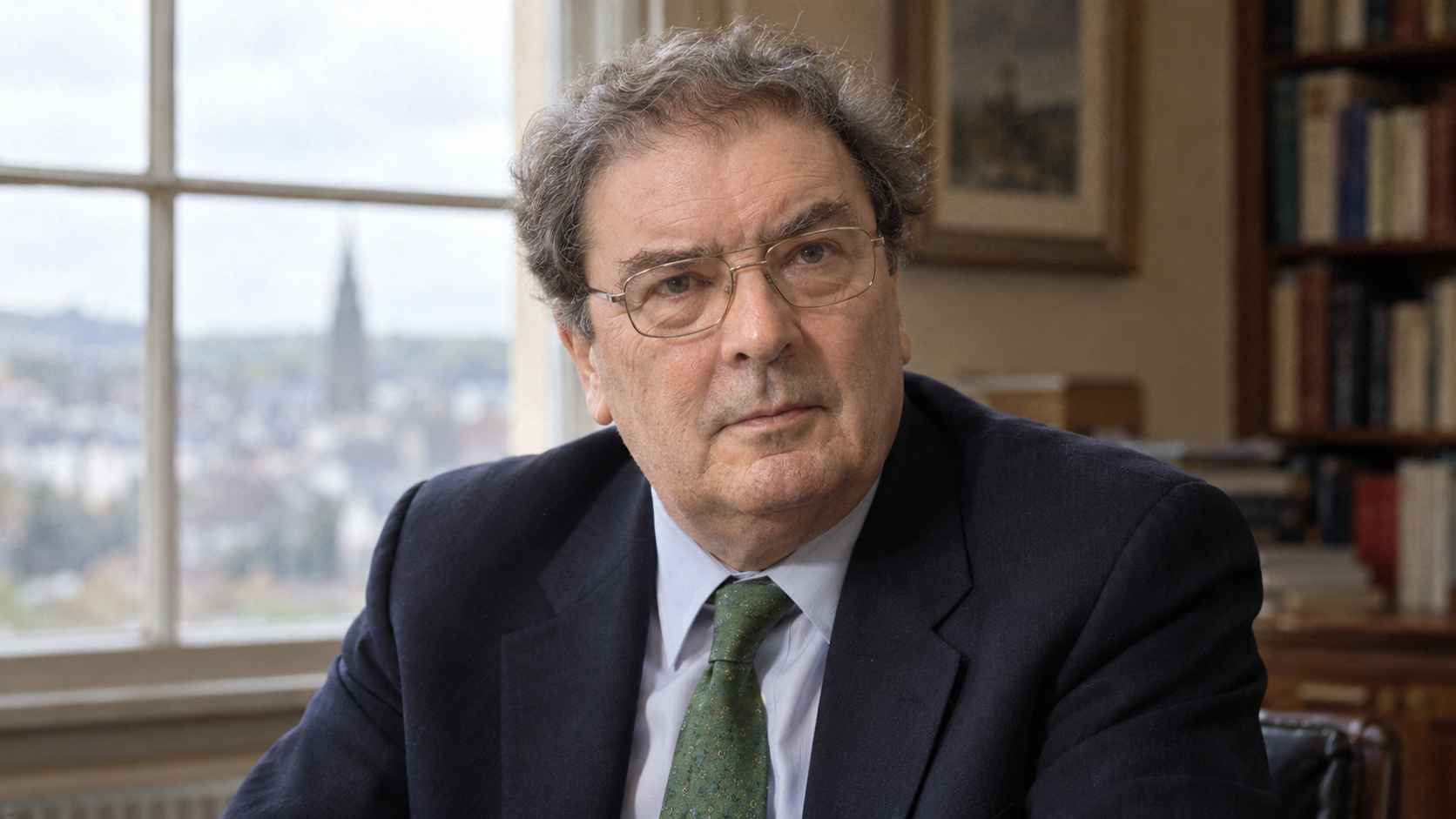
“Difference is of the essence of humanity.”
People do not have to become alike before they can share a political future. John Hume made respect for difference central to his Nobel lecture on December 10, 1998. The featured sentence describes diversity as a basic condition of human life, rather than a temporary inconvenience to be removed. In the surrounding argument, he connected that recognition with the need to respect people and protect their rights. His point was practical as well as moral: a peaceful arrangement must allow communities to live with distinctions that cannot simply be wished away. Cooperation becomes possible when those distinctions stop being treated as grounds for domination.
Hume shared the 1998 Nobel Peace Prize with David Trimble following the peace process that produced the Good Friday Agreement earlier that year. His lecture drew on the experience of Northern Ireland and on European cooperation after war. He considered how former opponents could build institutions around shared interests while retaining their identities. The agreement was an important development, but its existence did not mean every tension had ended or every practical question had been resolved. The quotation belongs to a moment of achievement and continuing responsibility. It explains a principle behind the work rather than claiming that a settlement automatically completes it.
Difference can refer to cultural background, political conviction, religious identity, or the history through which people understand their place in a community. Respecting it does not require accepting every claim without criticism. Ideas and decisions remain open to examination, especially when they affect the rights of others. The distinction is between challenging an argument and denying the standing of the person making it. Institutions can support that distinction through equal treatment, fair representation, and procedures that keep disagreement from becoming exclusion. Shared rules are more credible when people can use them without first surrendering the identity through which they entered the conversation.
The sentence also changes how success is measured in a divided society. Agreement on every question is an unrealistic standard and can invite pressure to silence those who do not fit. A more useful test is whether disagreement can be expressed, negotiated, and resolved through arrangements people recognize as legitimate. That takes patient work after the public ceremony or signed document. Leaders must explain compromises, communities must have ways to raise concerns, and rights must remain dependable when a dispute becomes difficult. Hume’s argument leaves room for a common future without demanding a common identity. Peace becomes more durable when cooperation accommodates the human differences it was built to serve.
Hume delivered the Nobel lecture on December 10, 1998, after the Good Friday Agreement reached earlier that year.
He shared the prize with David Trimble. A later essay preserved the same sentence while developing his account of peace.
Difference is a condition of human life. A political settlement should make cooperation possible without requiring identities to disappear.
Respect does not prevent criticism of ideas. It protects people’s standing and rights while their arguments are examined.
Measure institutions by whether they allow disagreement to be represented and negotiated fairly.
A signed agreement needs continuing participation and dependable rights to make its promises meaningful in daily life.
Explore more "Quotes of The Day"
Discover more notable quotes from influential voices across politics, science, business, technology, sports, and culture. Each quote offers insight into how ideas, beliefs, and decisions shape the world around us.