

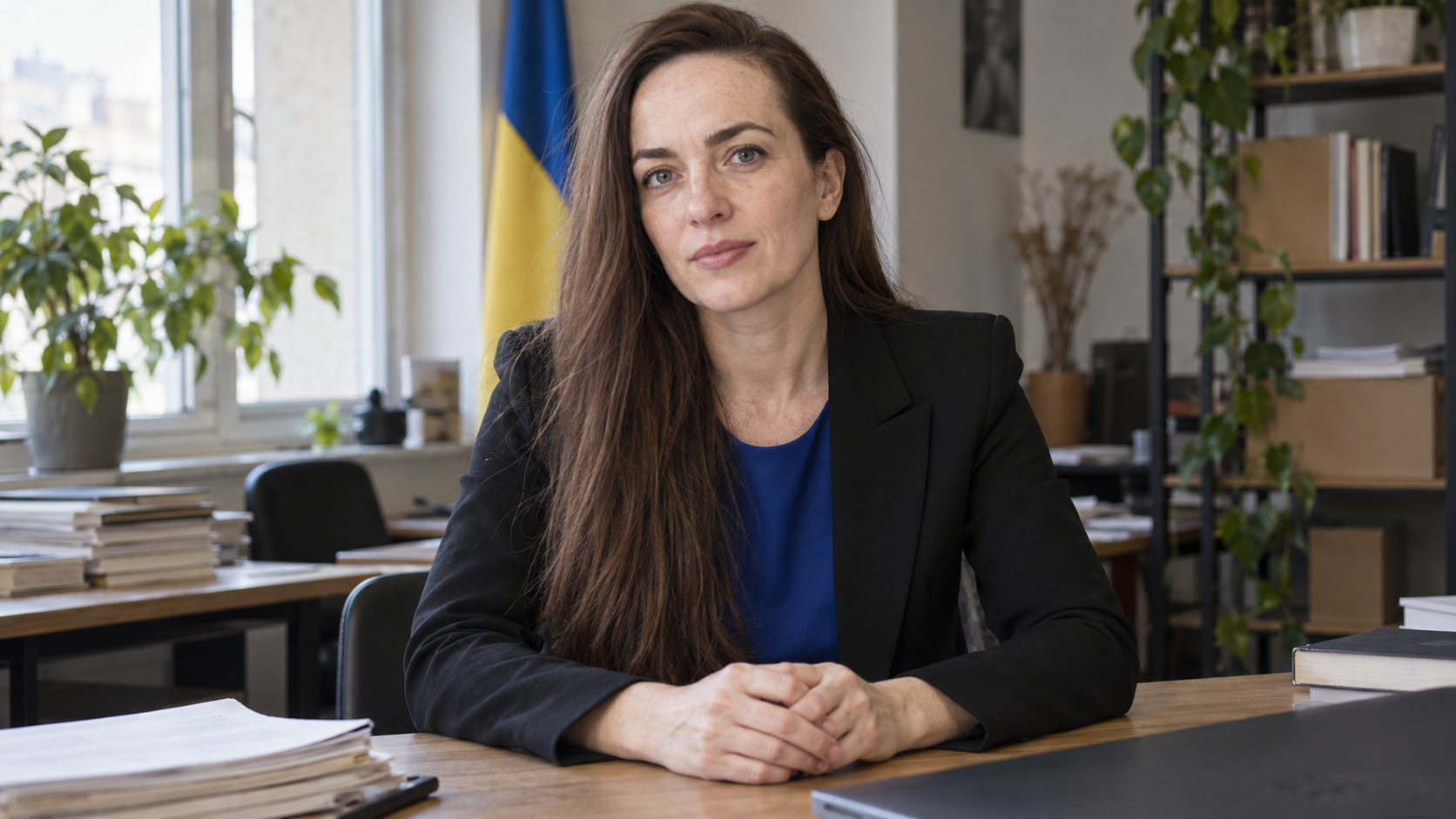
“Ordinary people have much more influence than they think they do.”
Oleksandra Matviichuk delivered this line in the Nobel lecture for Ukraine’s Center for Civil Liberties on December 10, 2022. The organization shared that year’s Peace Prize with Ales Bialiatski and Memorial. Speaking on its behalf, Matviichuk considered how people could help defend rights when established international mechanisms were failing them. Her sentence shifts attention toward civic participation. Influence is not confined to people who hold office or command large institutions. It can also emerge from the actions of individuals who organize, document, speak, and insist that public decisions account for human dignity.
That idea becomes clearer when participation is understood as a continuing practice. A person may have little influence over an entire government alone, yet still help change the information available to neighbors or the priorities considered by an institution. Many small contributions can make a problem harder to ignore. The relevant contribution might be careful documentation, translation, volunteer work, public discussion, or support for an independent organization. Each depends on reliability. Civic influence grows when people can trust the information being shared and see that a commitment lasts beyond a single burst of attention. Participation turns shared concern into a source of public pressure.
The quotation should not be read as a promise that every individual action will succeed. Political power is uneven, and people face different risks when they speak. Some institutions resist scrutiny; some communities lack resources; some participants need protection before they can act openly. A serious account of civic influence recognizes those barriers and asks how they can be reduced. Organizations can provide training, coordinate efforts, and help people avoid isolation. Public authorities can create accessible opportunities to participate and respond transparently to concerns. These arrangements make it easier for a person’s effort to contribute to a broader result without requiring extraordinary personal sacrifice.
Matviichuk’s words remain useful because they challenge resignation while leaving room for practical judgment. Citizens can begin with a concrete issue, learn who has responsibility, identify a credible way to contribute, and work with others. They can also evaluate their own methods: are the facts sound, are affected people being heard, and can the effort be sustained? Such questions connect participation to responsibility. Human rights depend on laws and institutions, but also on people who expect those institutions to work. The quotation encourages readers to recognize that expectation as a form of influence. A public culture that makes dignity a shared concern gives political leaders fewer opportunities to dismiss it as someone else’s problem.
Matviichuk spoke on behalf of the Center for Civil Liberties at the 2022 Nobel ceremony, during Russia’s war against Ukraine.
The individual speaker and the prize-winning organization should be distinguished when attributing the lecture.
Her statement highlights the influence that can develop when people contribute reliable information, organize, and maintain public attention.
It does not erase unequal power or the risks faced by participants; effective civic work needs support and protection.
The principle encourages practical participation in issues where a person can work with others and identify a clear contribution.
Rights become more durable when citizens expect institutions to respect them and remain engaged in holding those institutions accountable.
Explore more "Quotes of The Day"
Discover more notable quotes from influential voices across politics, science, business, technology, sports, and culture. Each quote offers insight into how ideas, beliefs, and decisions shape the world around us.