

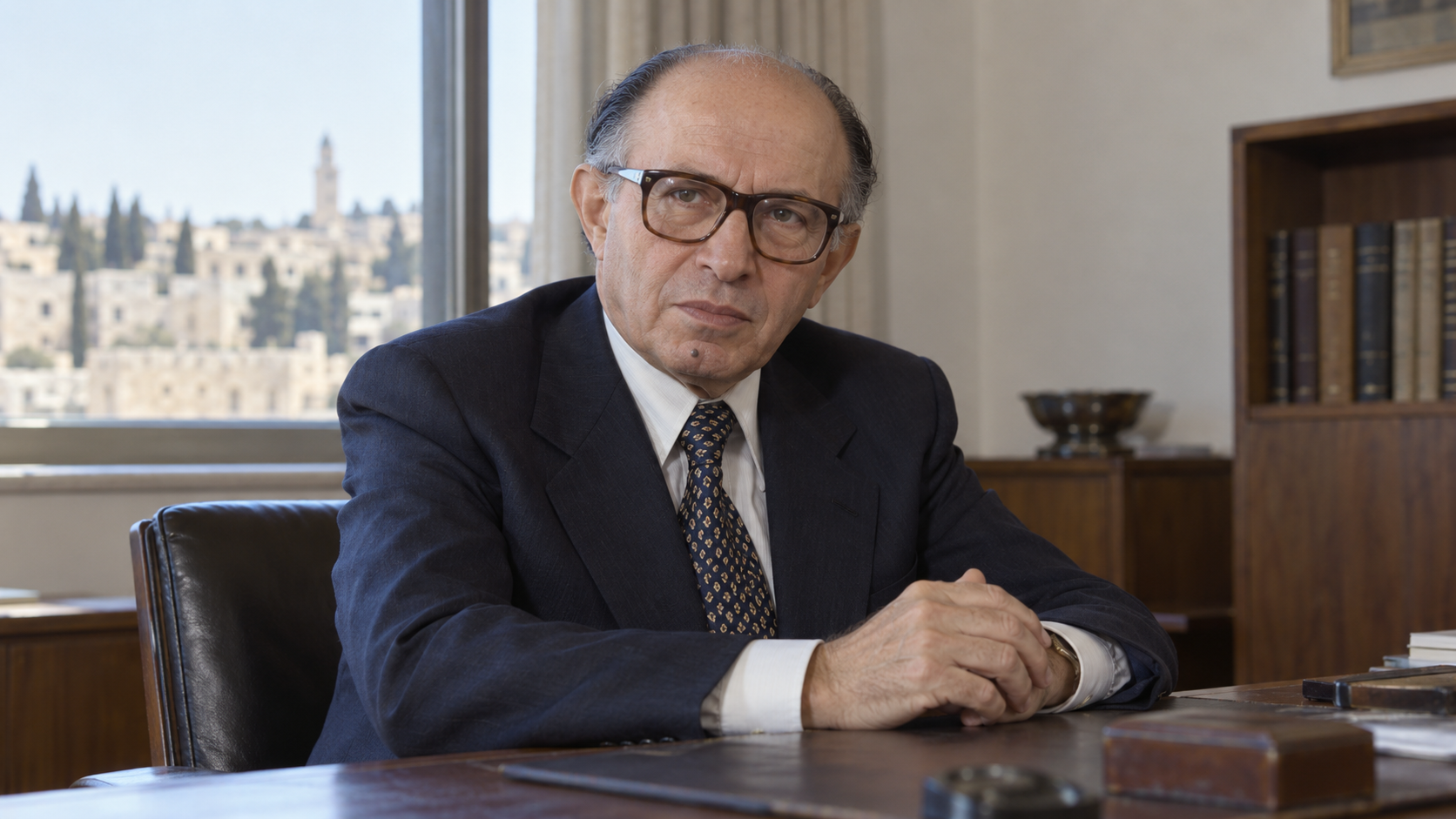
“Peace is the beauty of life.”
Menachem Begin used this sentence in his Nobel lecture in Oslo on December 10, 1978. He shared that year’s Peace Prize with Egyptian President Anwar al-Sadat following their work toward an agreement between their countries. The surrounding passage describes the familiar experiences that make peace valuable: family relationships, children, and the possibility of human advancement. Begin’s wider speech also discusses Jewish persecution, security, negotiation, and rights. The brief quotation should therefore be read as part of a political argument about what peace enables, not as a summary of every position he held or every consequence of his leadership.
The choice of beauty brings attention to a dimension of politics that institutional language can overlook. Agreements are often judged by their clauses, guarantees, and territorial arrangements. Those details matter, but they matter partly because they change the conditions under which people live. A settlement should allow a child to imagine adulthood, a parent to plan a household, and a community to devote more attention to its own development. Begin’s phrase connects diplomacy with these ordinary possibilities. It gives peace a positive content: life can contain more than vigilance, interruption, and the effort to recover from another emergency or another round of destruction.
This interpretation does not make a poetic description an adequate test of a political agreement. Leaders can praise family life while supporting policies that damage it, and listeners should examine the relationship between rhetoric and action. The quotation becomes useful when it supplies questions rather than automatic approval. Which people would benefit from a proposed settlement? Would its protections extend beyond those who have a voice at the negotiating table? Are the terms durable enough for daily routines to become dependable? These questions carry the phrase away from ceremony and toward the practical effects through which the promise of peace can be evaluated.
The sentence also helps explain why preserving peace involves more than avoiding a formal declaration of war. Fear, insecurity, and uncertainty can still restrict a person’s future even when diplomats describe relations as stable. An account of successful diplomacy should therefore consider what people can safely do, not only what governments have signed. That broader perspective must remain attentive to rights and disagreement; it cannot require silence from those who identify unresolved harms. The enduring value of Begin’s words lies in their human scale. Peace deserves political effort because it can make the everyday experiences of affection, learning, work, and hope more secure, more widely shared, and less vulnerable to destruction.
Begin delivered the quotation in his 1978 Nobel lecture after sharing the Peace Prize with Sadat.
Its immediate passage moves from an aspiration for lasting peace to descriptions of family life and human development.
The sentence gives peace a positive meaning through the ordinary experiences it can protect.
Reading it responsibly requires distinguishing the aspiration expressed in a speech from an assessment of the speaker’s entire political record.
The quotation suggests asking whether diplomatic arrangements improve the conditions in which communities live and plan.
Its promise should be tested through security, rights, and practical consequences for people affected by an agreement.
Explore more "Quotes of The Day"
Discover more notable quotes from influential voices across politics, science, business, technology, sports, and culture. Each quote offers insight into how ideas, beliefs, and decisions shape the world around us.