

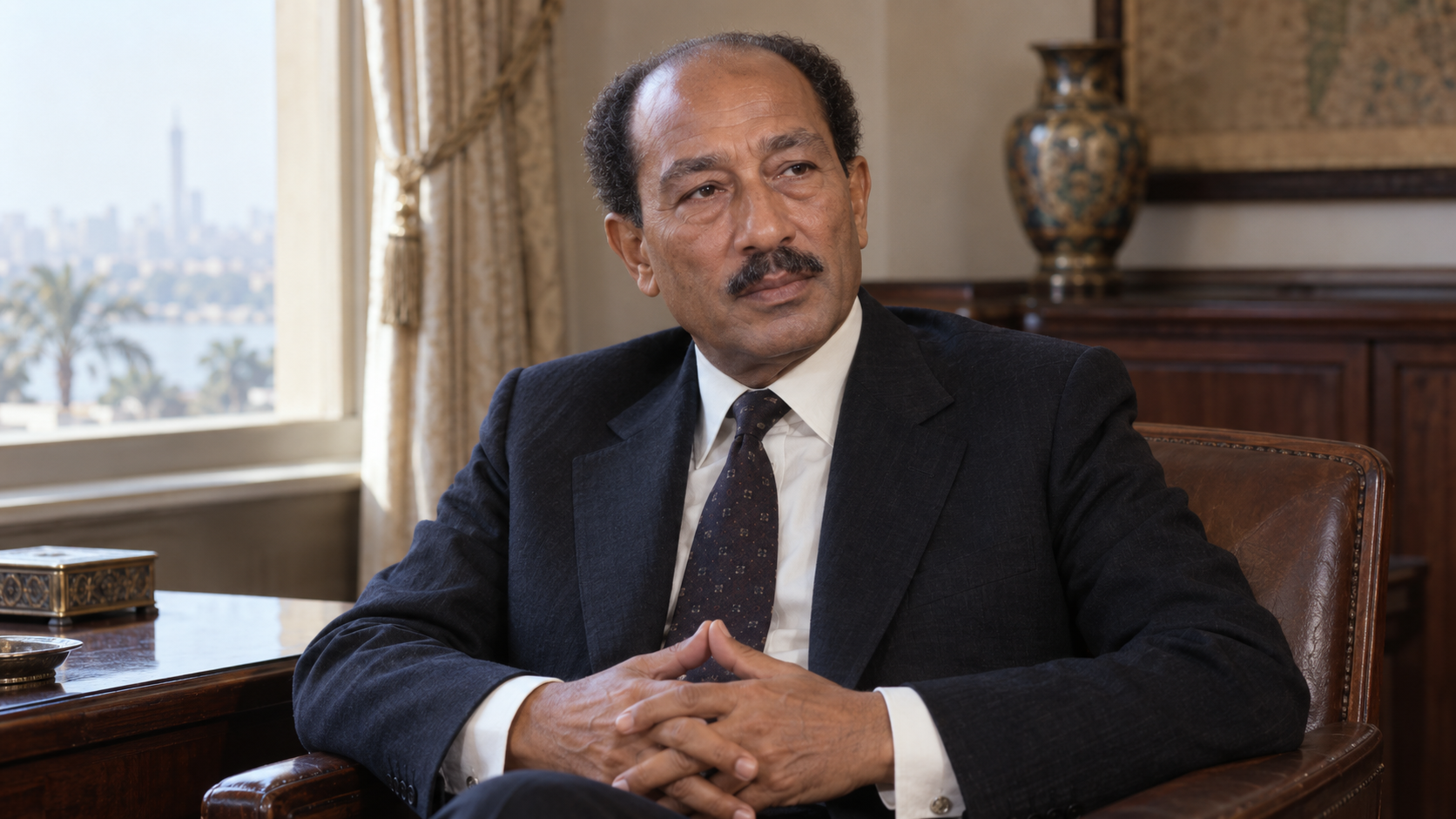
“Any life lost in war is a human life, irrespective of its being that of an Israeli or an Arab.”
Anwar al-Sadat made this statement in his address to the Israeli Knesset on November 20, 1977. The English transcript places it in a passage about bereaved families and the responsibility to prevent further suffering. As Egypt’s president, Sadat was addressing a country with which Egypt had fought wars, and his speech combined an appeal to shared humanity with demands concerning territory, rights, and security. This line did not erase those political disagreements. It established a human consideration that he argued should guide their resolution: the loss of a life could not be made less serious by the victim’s national identity.
That consideration challenges a familiar habit of political language. Communities often describe their own suffering in personal detail while describing an adversary’s suffering through totals, categories, or strategic consequences. The imbalance can make one group’s grief appear more real than another’s. Sadat’s sentence interrupts that selective attention. It does not require treating every action, claim, or responsibility as equivalent. Instead, it separates the value of a human life from the judgment of a government’s policy. A person can criticize an adversary’s conduct while still recognizing the humanity of the people who would bear the costs of continuing conflict.
In diplomacy, this distinction matters because negotiation requires speaking to people who may remember the same events differently. Recognition of another community’s losses can make conversation possible without settling the disputed history. It creates a reason to listen before agreement has been reached. Such recognition is nevertheless only a beginning. It cannot substitute for workable commitments, safeguards, or attention to those affected by the eventual settlement. A humane opening loses credibility if the practical arrangements that follow disregard the people invoked in the speech. The quotation supplies a standard against which the process can be judged, rather than a formula that resolves every contested issue.
Its continuing relevance lies in how it asks citizens to read accounts of conflict. Whose names appear, whose families are described, and whose losses are treated as an unfortunate abstraction? These questions can be asked without denying the importance of security or the need to distinguish lawful conduct from wrongdoing. They help ensure that moral attention remains broader than political allegiance. Sadat’s words invite a form of judgment capable of holding both commitments together: evaluate actions carefully, and preserve the equal human significance of those harmed. Diplomacy becomes more defensible when the language used to pursue peace also shapes the treatment of the people for whom peace is being pursued.
Sadat spoke to the Knesset on November 20, 1977. The selected words follow the published English transcript of that address.
The surrounding passage discusses widows and children, while the wider speech sets out political conditions for a lasting peace.
Recognizing equal human loss does not mean that every political position or action has the same merits.
The quotation is a principle within an argument for diplomacy. It should not be mistaken for a claim that the speech itself settled the conflict.
The line helps readers notice when public debate personalizes one population’s suffering while making another’s anonymous.
A humane diplomatic statement becomes more persuasive when subsequent decisions protect the people whose lives it invokes.
Explore more "Quotes of The Day"
Discover more notable quotes from influential voices across politics, science, business, technology, sports, and culture. Each quote offers insight into how ideas, beliefs, and decisions shape the world around us.