

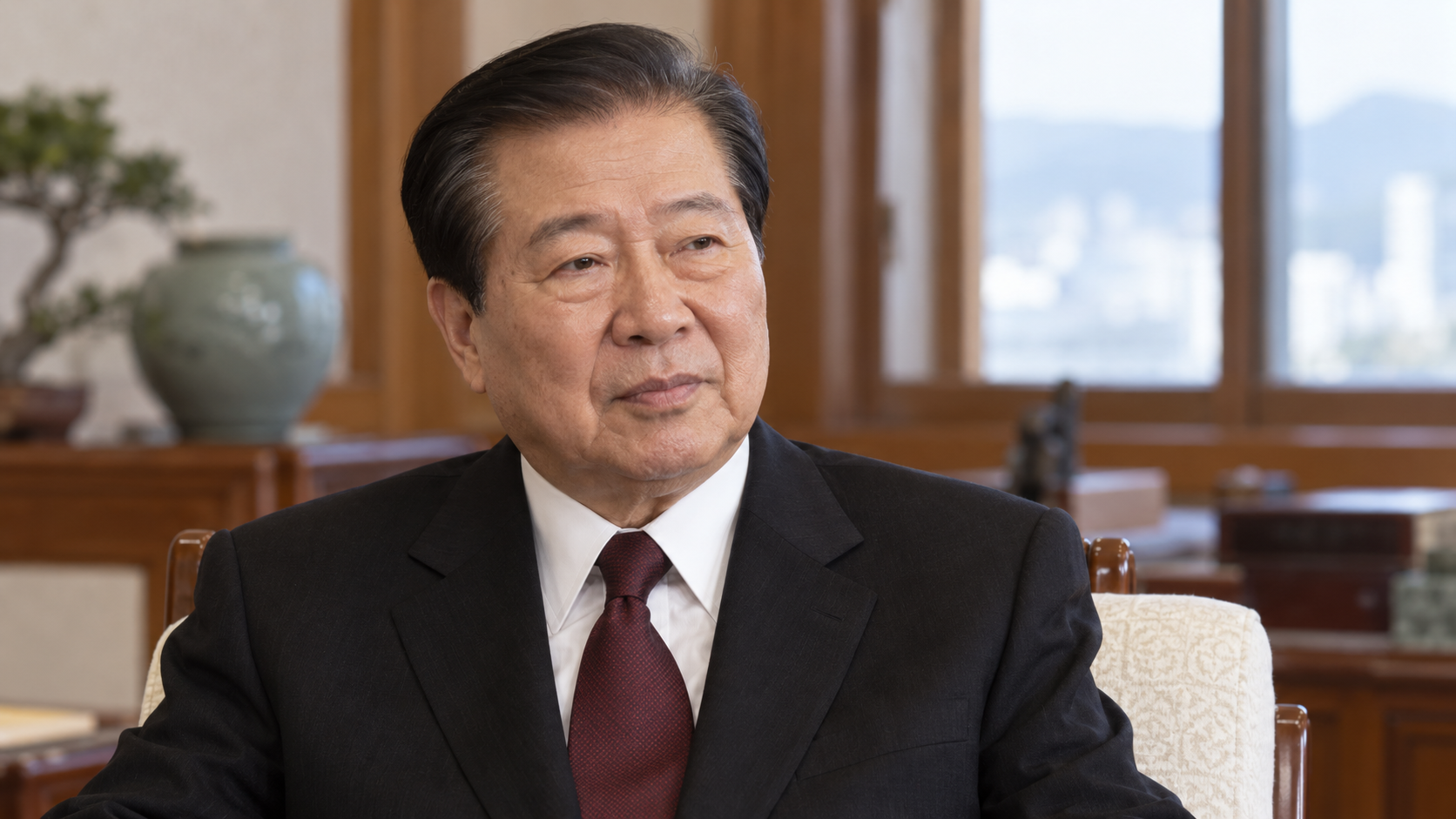
“Accepting the Nobel Peace Prize, the honoree is committed to an endless duty.”
Kim Dae-jung spoke these words near the close of his Nobel lecture on December 10, 2000. The South Korean president had received the Peace Prize for work on democracy, human rights, and reconciliation. In the address, he discussed both political commitments and personal experiences of repression. The final passage treated the honor as a responsibility extending beyond the ceremony. His pledge concerned continued service to human rights and peace, including cooperation among Koreans. The official English wording presents an enduring obligation. It is a statement of the speaker’s intention, not a guarantee that any one policy would succeed or a declaration that difficult political questions were settled.
An honor usually looks backward, acknowledging something already done. Kim gave it a forward direction by asking what acceptance should require next. The distinction can be useful in public life because praise can sometimes become a reason to stop listening. A celebrated record may tempt a leader to treat later criticism as ingratitude. An obligation to continue serving points the other way. It makes recognition a renewed reason to examine decisions, hear concerns, and explain shortcomings. The measure of responsibility remains outside the recipient’s pride. People affected by public choices retain the standing to ask whether a promise has been carried into practice.
The speech connected Kim’s account of democratic struggle with efforts toward reconciliation across the Korean peninsula. These were different tasks, with different obstacles, but he presented them as parts of continuing service. Reading the passage historically preserves that sense of unfinished work. A diplomatic opening is a moment within a process, and a democratic achievement requires institutions and citizens to sustain it. The quotation should not be used to erase debate over his presidency or the results of engagement with North Korea. It states a demanding commitment against which those matters may be considered. The value of the principle is compatible with scrutiny of the person who voiced it.
The same idea can guide how a community receives a public award or celebrates an achievement. What obligation does recognition renew? Who helped make the achievement possible, and whose needs remain? Which actions would give the honor practical meaning over time? Asking these questions turns appreciation into a useful occasion for reflection. It allows pride without letting pride become the only purpose. Kim’s sentence makes acceptance an active promise rather than a final reward. Its enduring appeal lies in that connection between acknowledgment and service: the ceremony passes, while the work must keep answering to the people and values that made recognition worth receiving.
Kim delivered the lecture in December 2000 as South Korea’s president. The closing passage pledged further service to human rights and peace.
The quotation is presented in the official English version. Its pledge concerns future responsibility rather than a claim that political work had ended.
Recognition can reinforce the duty to listen and explain. A praised record does not remove accountability for later decisions.
The speech linked democratic commitments and Korean reconciliation. Their practical results remain open to historical examination.
A public milestone can renew obligations to contributors and affected communities. The useful question is what work should follow the honor.
Celebration gains meaning through continued service. That standard can be applied without assuming a leader’s every choice was correct.
Explore more "Quotes of The Day"
Discover more notable quotes from influential voices across politics, science, business, technology, sports, and culture. Each quote offers insight into how ideas, beliefs, and decisions shape the world around us.