

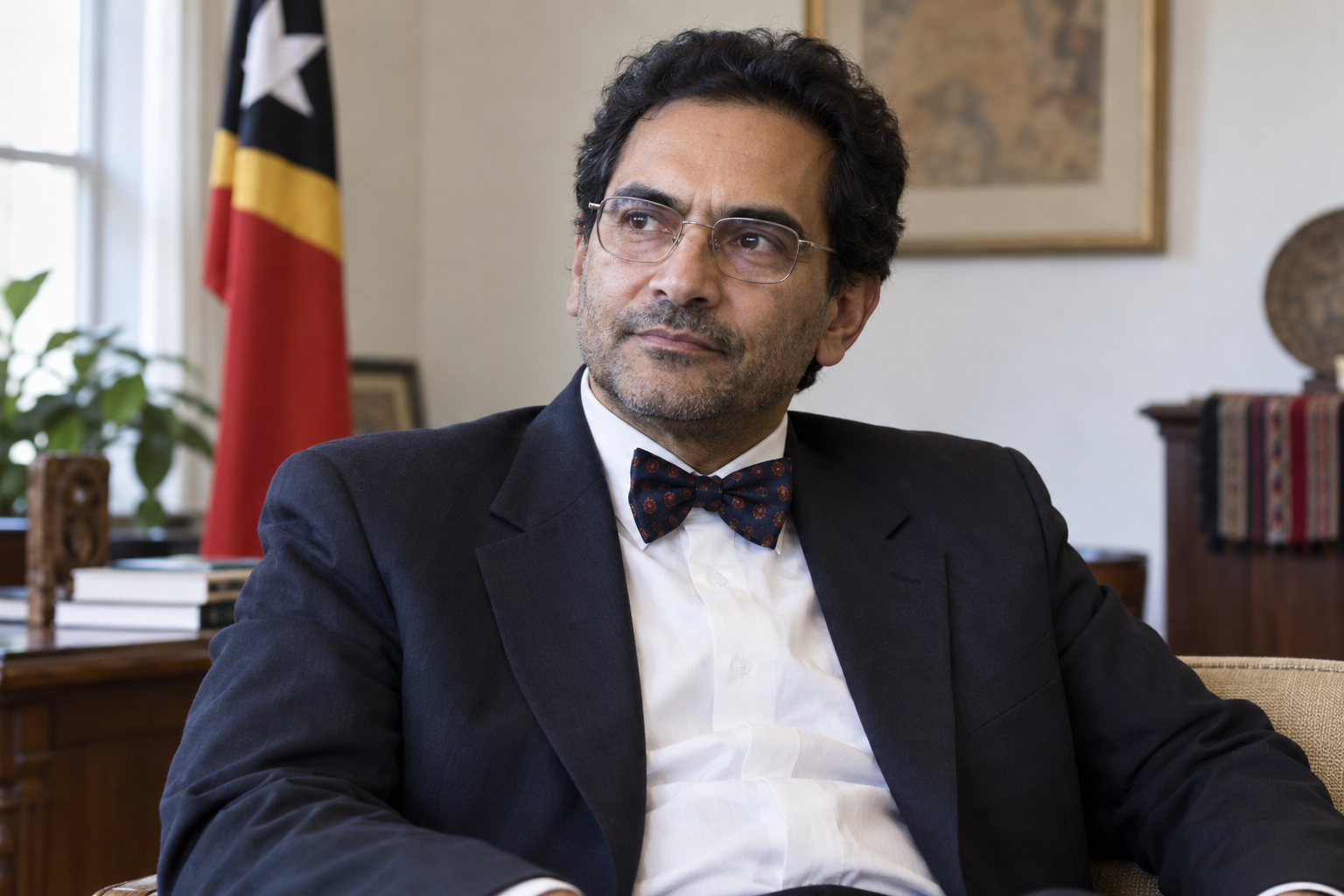
“Our society will not be based on revenge.”
José Ramos-Horta included this sentence in his Nobel lecture on December 10, 1996. He was describing a possible future for East Timor while the territory remained under Indonesian occupation. The passage concerned national reconciliation and the place of people then serving in the Indonesian administration, security forces, and police. He invited their participation in a future independent society. The statement was therefore a political proposal made before independence, rather than a description of an accomplished settlement. It asked what kind of community should follow a long conflict and whether belonging could be organized around a common future instead of continued retaliation.
Revenge takes an injury as a reason to inflict another injury. A public commitment to reject it can interrupt the expectation that every political change must bring a new cycle of enemies and punishment. That commitment does not automatically answer the questions of justice raised by a conflict. Victims may need acknowledgment, information, repair, and protection. People who committed abuses may still need to be held accountable through fair processes. The quotation is most useful when these distinctions remain visible. A society can refuse retaliation as its organizing principle while taking suffering seriously and examining how to prevent its repetition through institutions people can trust.
Ramos-Horta’s surrounding remarks acknowledged violent civil strife and wrongdoing by people within the movement to which he had belonged. This acknowledgment complicates a simple division between entirely innocent allies and entirely guilty opponents. It directs attention to the conduct of individuals and organizations rather than treating political identity as a complete moral verdict. His proposed inclusion also carried a practical argument about a transition’s need for participation. Yet inclusion must be assessed alongside the needs of those harmed. The speech offers a vision of reconciliation whose meaning can be debated, including the difficult balance between rebuilding relationships, establishing responsibility, and preserving an honest record of events.
The sentence can prompt careful questions whenever a community emerges from bitter division. What would stop retaliation without silencing a grievance? Can people contribute to a shared institution while disputed conduct is examined? Who should shape the terms of repair, and how can a fair process earn the confidence of those who suffered? These questions resist both automatic vengeance and easy demands to forget. They keep reconciliation connected to practical choices rather than a mood of goodwill alone. Ramos-Horta’s promise sets a direction for public life. Whether that direction serves justice depends on the arrangements that follow and on the standing given to the people whose experiences make reconciliation necessary.
The statement was made in 1996, before Timor-Leste’s independence. It belonged to a proposed future rather than a report of completed reconciliation.
The surrounding section invited participation from people serving in the existing administration. It also acknowledged wrongdoing within the speaker’s own movement.
Rejecting revenge does not settle every question of justice. Acknowledgment, repair, and fair accountability remain matters to address.
Political identity is an incomplete measure of conduct. Reconciliation needs attention to individual responsibility and the experiences of people harmed.
A shared future requires practical arrangements that prevent retaliation. Those arrangements should give affected people a meaningful voice.
The promise invites scrutiny of how reconciliation works. It should not become an instruction to silence grievances or forget injuries.
Explore more "Quotes of The Day"
Discover more notable quotes from influential voices across politics, science, business, technology, sports, and culture. Each quote offers insight into how ideas, beliefs, and decisions shape the world around us.