

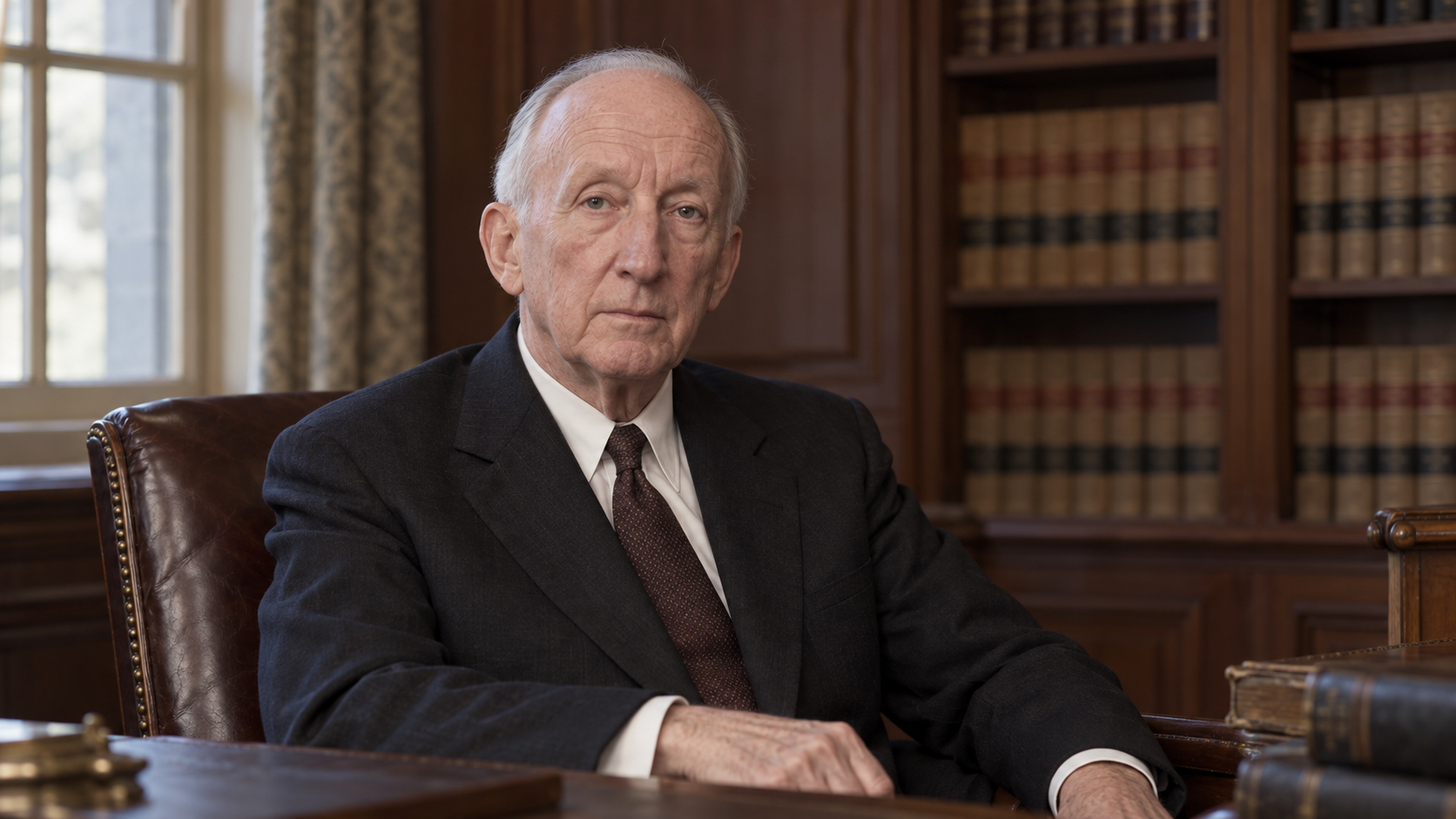
“The press was to serve the governed, not the governors.”
Justice Hugo L. Black wrote this sentence in his concurrence in New York Times Co. v. United States, the Pentagon Papers case decided on June 30, 1971. The federal government had sought to stop newspapers from publishing material from a classified history of American involvement in Vietnam. The Supreme Court concluded that the government had not met the heavy burden required to justify preventing publication. Black, joined by Justice William O. Douglas, offered a particularly forceful account of the First Amendment's purpose. His sentence identified the people who should benefit from press freedom. September 18 is the assigned calendar position of this quotation, not its historical date.
The contrast between governed and governors changes the way a dispute over publication is understood. Officials may hold documents, make decisions, and describe the public interest, but they are also the subjects of public oversight. A press organized around pleasing them would leave citizens dependent on the account supplied by those whose conduct needs examination. Black treated constitutional protection as serving a relationship between information and self-government. On that view, scrutiny is not a personal favor granted to a newspaper, nor a reward for a publisher's good judgment. It helps people assess decisions made in their name, including decisions that officials would prefer to explain on their own terms.
The original legal setting places boundaries around the quotation. The case concerned prior restraint: government action seeking to prevent publication before it occurred. Black's broad reasoning was his concurring position, not a statement of every justice's rationale. The Court's short ruling focused on the government's failure to justify the restraints it sought. None of that establishes that every news report is accurate, every disclosure is responsible, or every dispute about confidential information has the same answer. Separating constitutional freedom from editorial performance makes the public-interest argument stronger. Readers can defend independent scrutiny while demanding evidence, correction, proportion, and care from the institutions that exercise that freedom.
In political life, the quotation provides a practical question for evaluating coverage: what does this work enable the public to understand or judge? Access to powerful people may produce useful reporting, but access itself is not the audience's final interest. A flattering interview, an exclusive briefing, or a dramatic confrontation should be assessed by what it reveals about decisions and their consequences. The principle also reaches audiences, who can ask whether a story offers verifiable information or merely invites allegiance to a personality. Black's sentence does not promise that an independent press will always serve citizens well. It establishes a demanding purpose against which both official interference and journalistic choices can be evaluated. The beneficiary of the freedom remains the public.
The Pentagon Papers litigation placed the government's demand for secrecy against the newspapers' ability to publish. Black used his separate opinion to explain why protection against governmental suppression mattered to the people outside government.
His concurrence should be read alongside the narrower ruling of the Court. Recognizing that distinction prevents a powerful individual opinion from being mistaken for the full reasoning shared by every justice who rejected the restraints.
The sentence defines the press through its intended beneficiary. It does not ask whether a report is convenient for officeholders; it asks whether public access to information can remain independent of their preferences.
Serving the public is not the same as agreeing with every popular demand. Verification, explanation, and the correction of error may disappoint an audience's expectations while still helping it make a better informed judgment.
Arguments over access and secrecy continue to raise the question Black made explicit: who gets to control the account of government conduct? Institutional independence allows that account to be examined beyond the official explanation.
Readers can apply the principle by looking for documents, clearly attributed claims, meaningful responses, and acknowledged uncertainty. The public gains little from freedom used carelessly, but care is most credible when it can be exercised without official permission.
Explore more "Quotes of The Day"
Discover more notable quotes from influential voices across politics, science, business, technology, sports, and culture. Each quote offers insight into how ideas, beliefs, and decisions shape the world around us.