

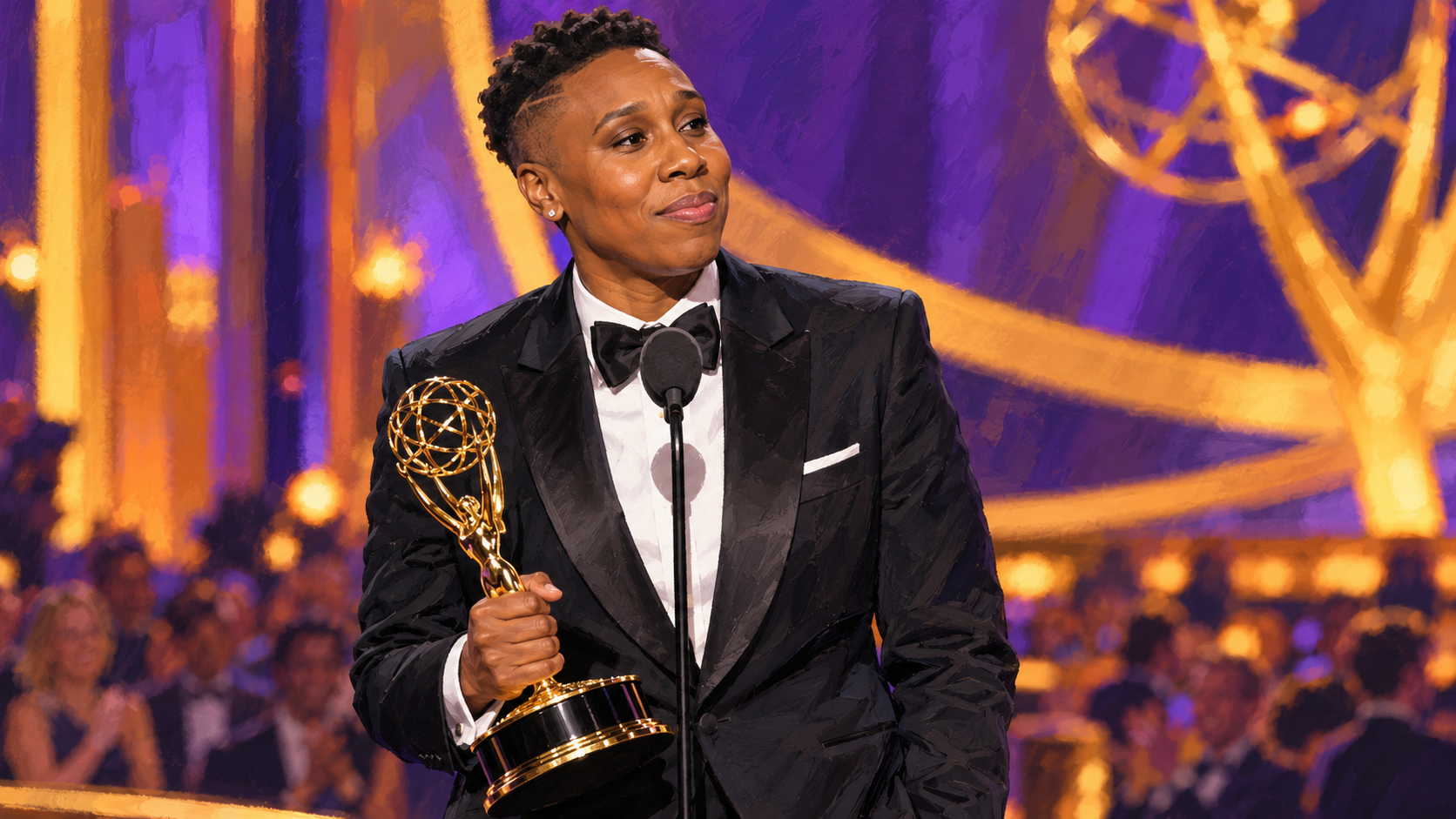
“The things that make us different, those are our superpowers.”
Lena Waithe spoke this line at the 2017 Emmy Awards after making history as the first Black female winner for comedy writing, sharing the award with Aziz Ansari for a Master of None episode shaped by her coming-out experience. She addressed what she called her LGBTQIA family and named their differences as a source of strength. The speech connected an individual milestone to a wider audience whose lives had often appeared on television as side plots, coded references, or problems explained from the outside.
Calling difference a superpower reverses the old demand that creators sand away whatever makes gatekeepers uncomfortable. A perspective formed by race, sexuality, disability, language, region, or class can reveal details invisible to a supposedly neutral center. In comedy, specificity can sharpen timing and recognition; in drama, it can complicate characters flattened by stereotype. Waithe’s phrase does not ask audiences merely to tolerate variety. It argues that art becomes more inventive when more forms of experience help decide what deserves the foreground.
The metaphor also has limits. Difference does not make anyone infallible, and turning identity into a superpower can pressure marginalized artists to be exceptional before they receive ordinary trust. No person can represent an entire community, and visibility without safe working conditions or decision-making authority may remain symbolic. The quote should therefore support curiosity rather than tokenism: invite a wider range of creators, then judge their work with the same room for complexity, experiment, and revision afforded to established voices.
Consider one project in which a character or audience is described mainly by a category. Replace that label with researched, specific questions about desire, routine, humor, conflict, and contradiction. Bring in a collaborator with relevant knowledge early enough to influence the premise, not merely approve a finished result. Waithe’s sentence becomes practical when difference changes the work’s point of view and allocation of power. A superpower is not decorative visibility; it is the capacity to make a story possible that the old center could not have imagined alone. The audience benefits from that shift even when it does not share the identity onscreen. Specificity creates discovery, and discovery is one reason stories matter. A wider range of authors does more than correct an absence; it enlarges what the medium can notice. That expansion should reach genre too. Creators from marginalized groups deserve comedies, adventures, mysteries, and fantasies, not only narratives that explain pain to a presumed mainstream.
Waithe delivered the quotation during the 2017 Emmys while accepting the comedy-writing award for the Master of None episode Thanksgiving with Aziz Ansari.
The episode drew on Waithe’s own coming-out story, and the speech answered an industry history in which queer people of color had rarely controlled how comparable experiences were written for mainstream television.
The phrase remains a rallying point for representation. Its caution is that identity must not become a demand for perfection or a substitute for resources, authority, and the freedom to create beyond one assigned subject.
Explore more "Quotes of The Day"
Discover more notable quotes from influential voices across politics, science, business, technology, sports, and culture. Each quote offers insight into how ideas, beliefs, and decisions shape the world around us.