Lupita Nyong’o, 2014
Lupita Nyong’o’s 2014 Oscar speech turned a personal triumph into an invitation for dreamers everywhere to see possibility beyond birthplace or circumstance.

Don't Just Read it – Explore It
Lupita Nyong’o’s 2014 Oscar speech turned a personal triumph into an invitation for dreamers everywhere to see possibility beyond birthplace or circumstance.
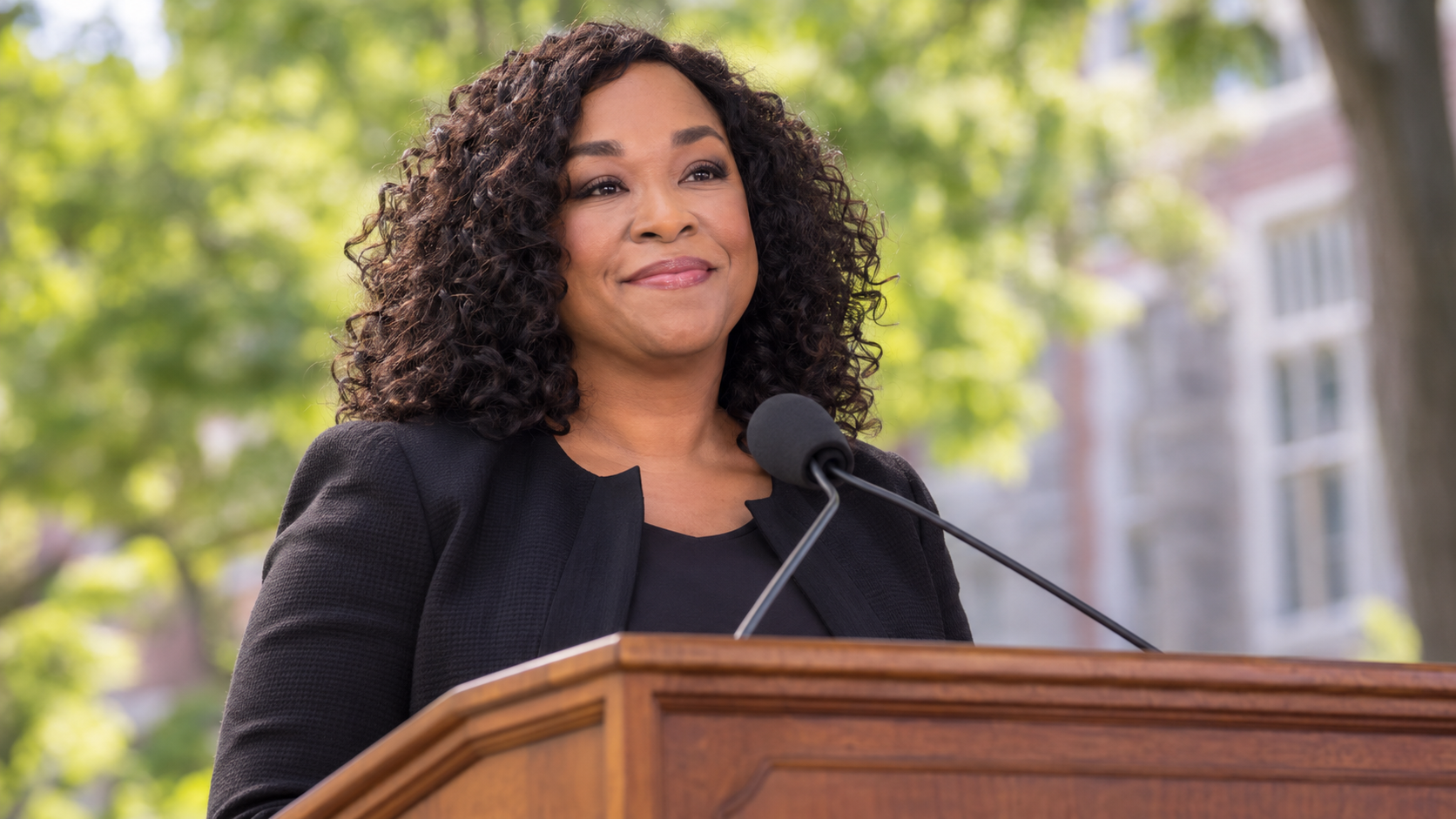
Shonda Rhimes’s 2014 Dartmouth address separated the pleasure of imagining a future from the difficult, ordinary work required to build it.
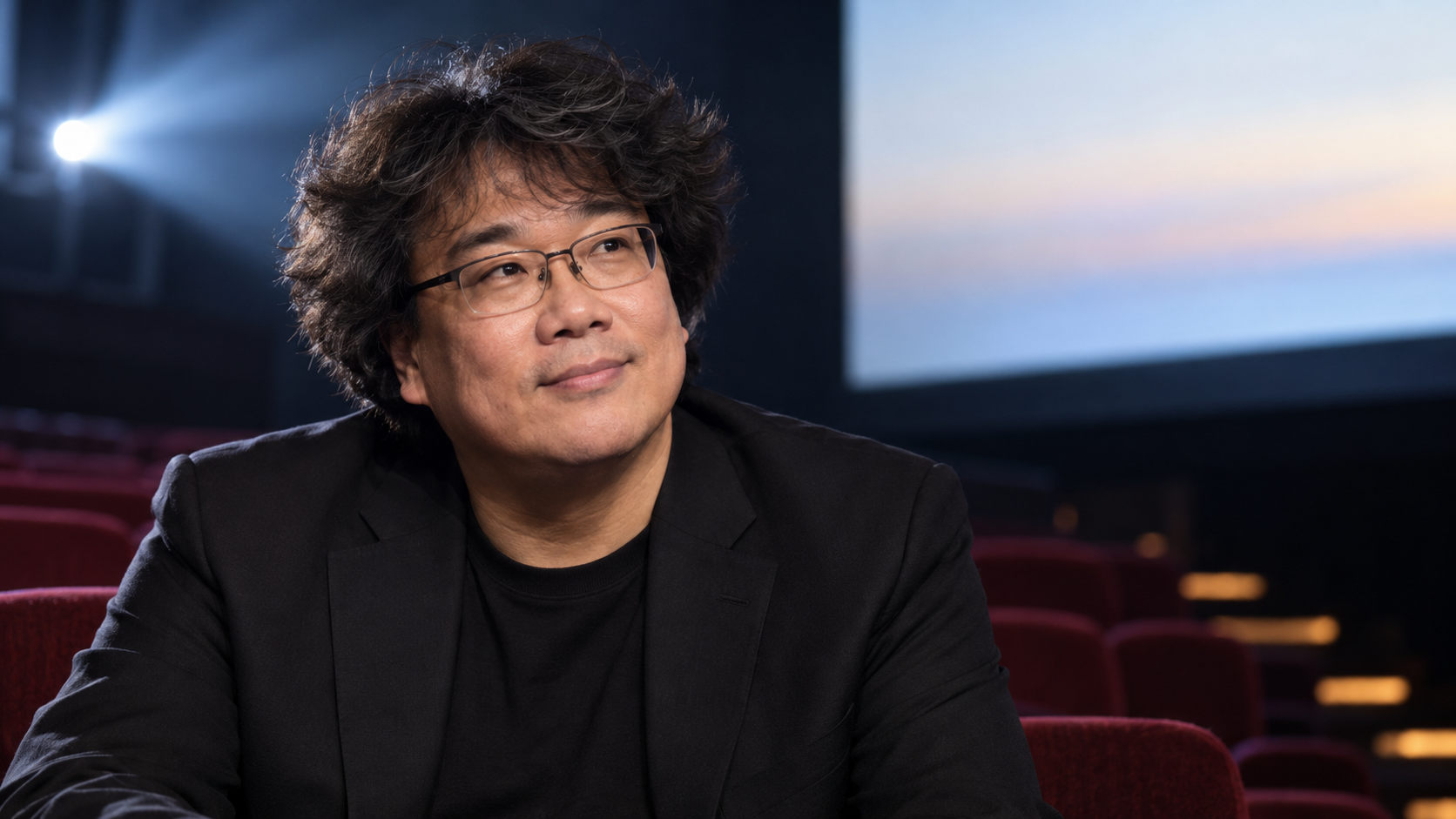
Bong Joon Ho’s Golden Globes remark framed subtitles as a tiny threshold between audiences and an enormous world of cinematic discovery.
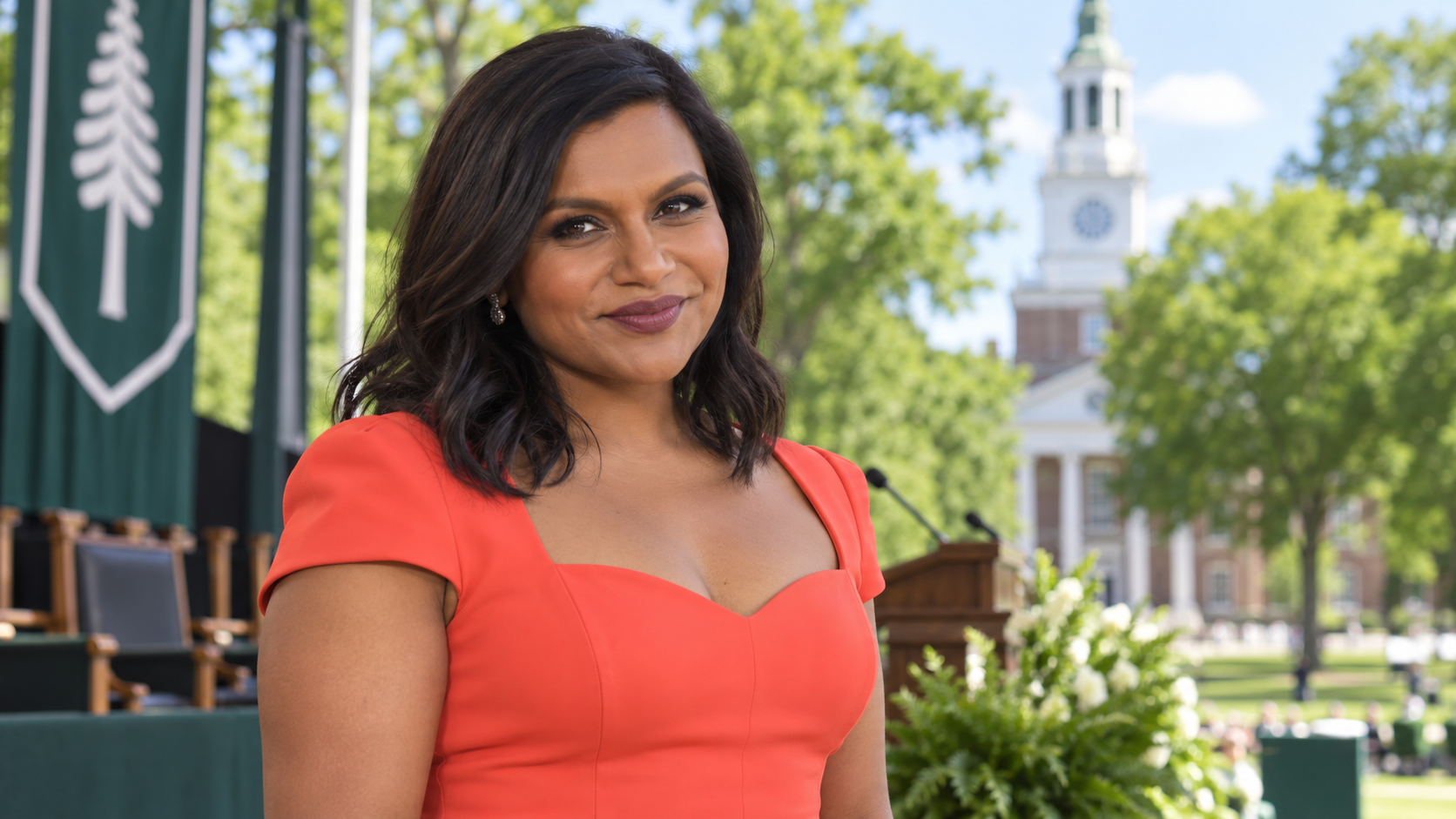
Mindy Kaling’s 2018 Dartmouth address turned self-belief into a practical discipline: stop becoming the first person to reject your own possibility.
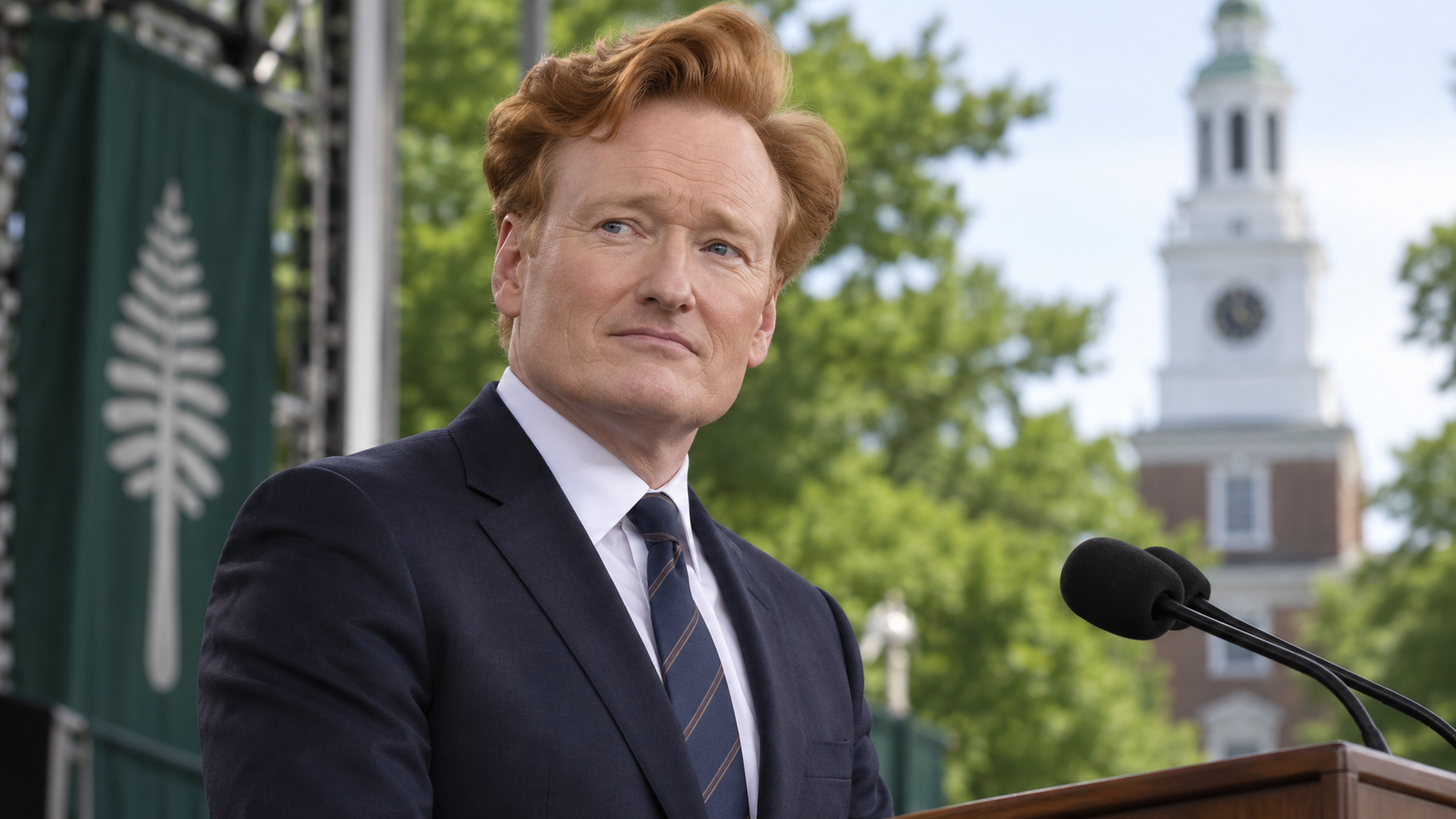
Conan O’Brien’s 2011 Dartmouth address reframed a public career disappointment as the beginning of reinvention, clarity, and originality.
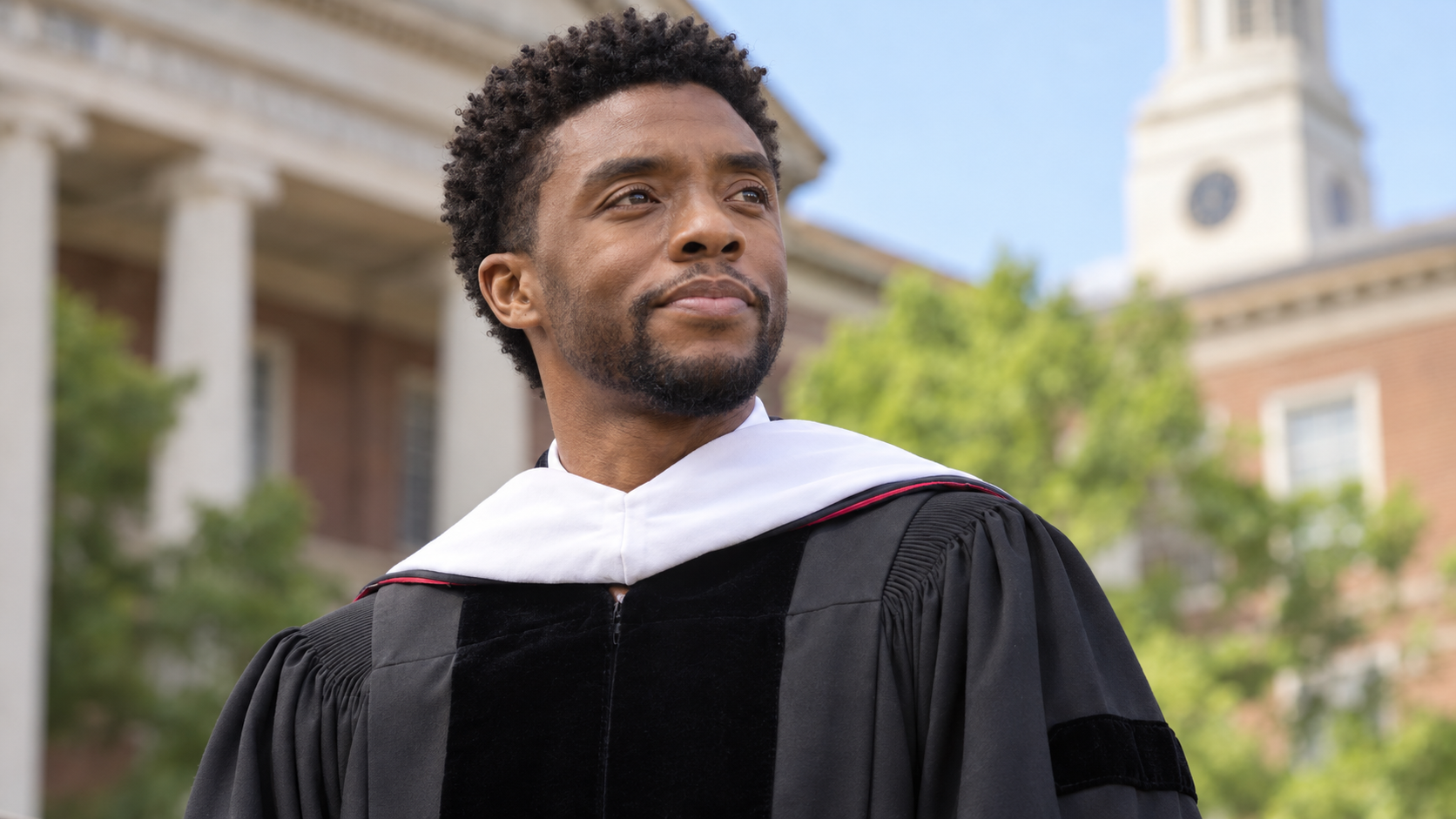
Chadwick Boseman’s Howard University address presents purpose as an inner commitment that can guide work across changing disciplines.
James Baldwin’s Paris Review interview frames writing as an encounter with the truths a writer has not yet learned—or may prefer to avoid.
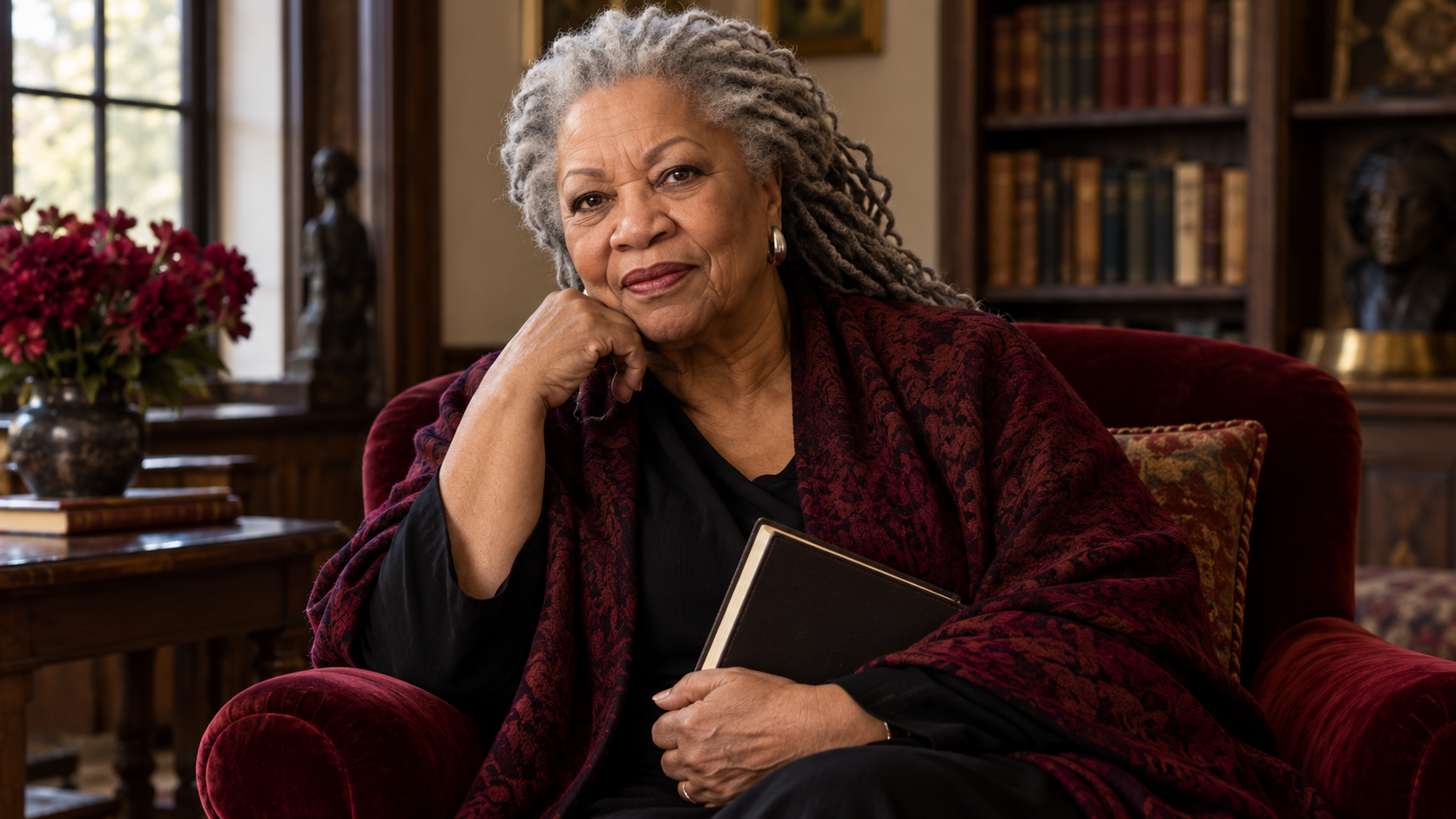
Toni Morrison’s 1979 Barnard commencement line defines freedom as a responsibility that expands other people’s possibilities.
Roger Ebert’s enduring critical principle asks audiences to judge a film’s treatment of a subject, not simply the subject it selects.
Nora Ephron’s 1996 Wellesley commencement advice asks people to claim authorship of their choices without denying hardship or injustice.
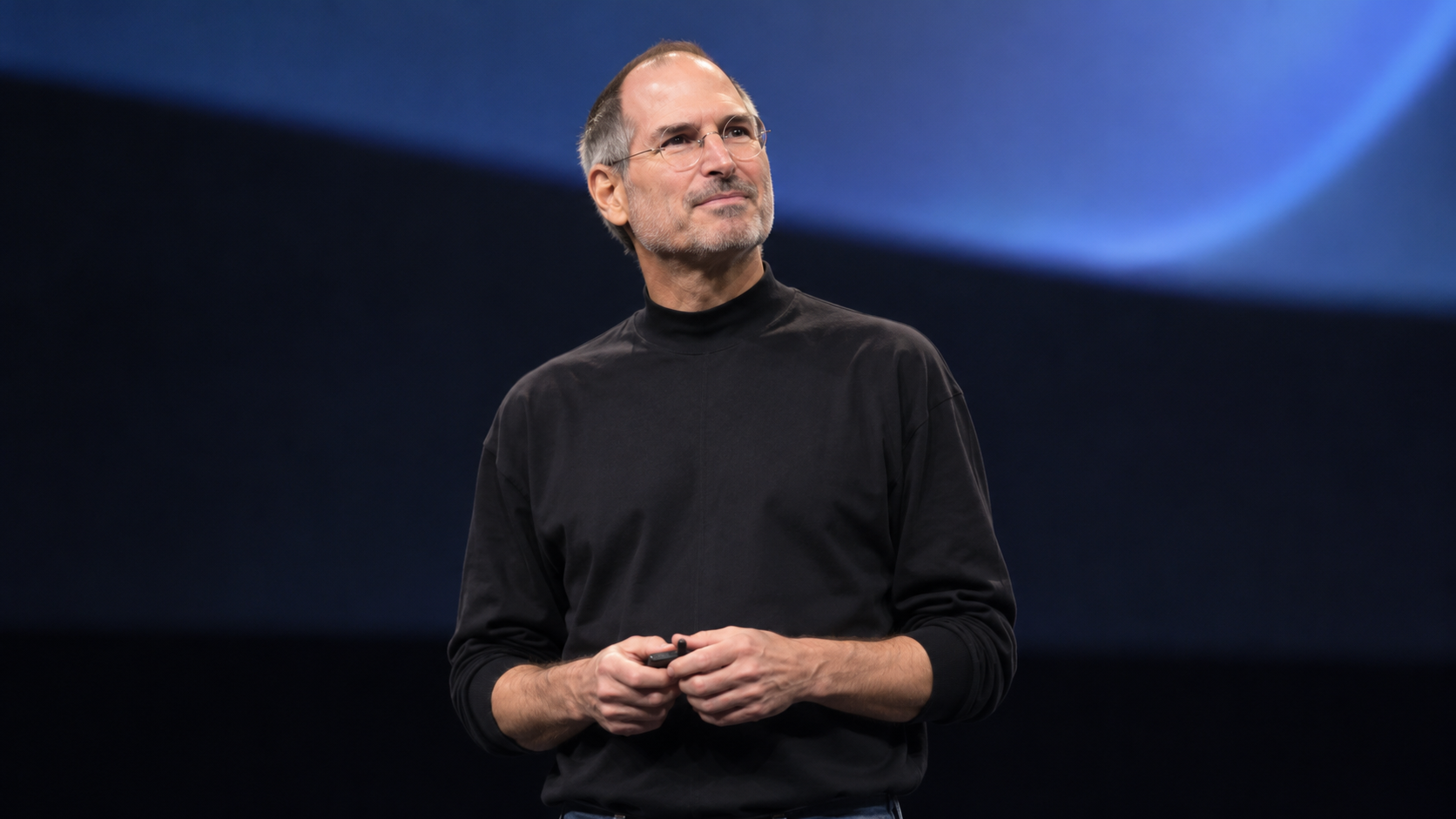
Steve Jobs’s 2005 Stanford address connects limited time with the courage to question borrowed expectations and choose deliberately.
Bruce Lee’s creative philosophy turns learning into an active process of testing, discarding, and developing an individual practice.