

“We live in a post-authentic world.”
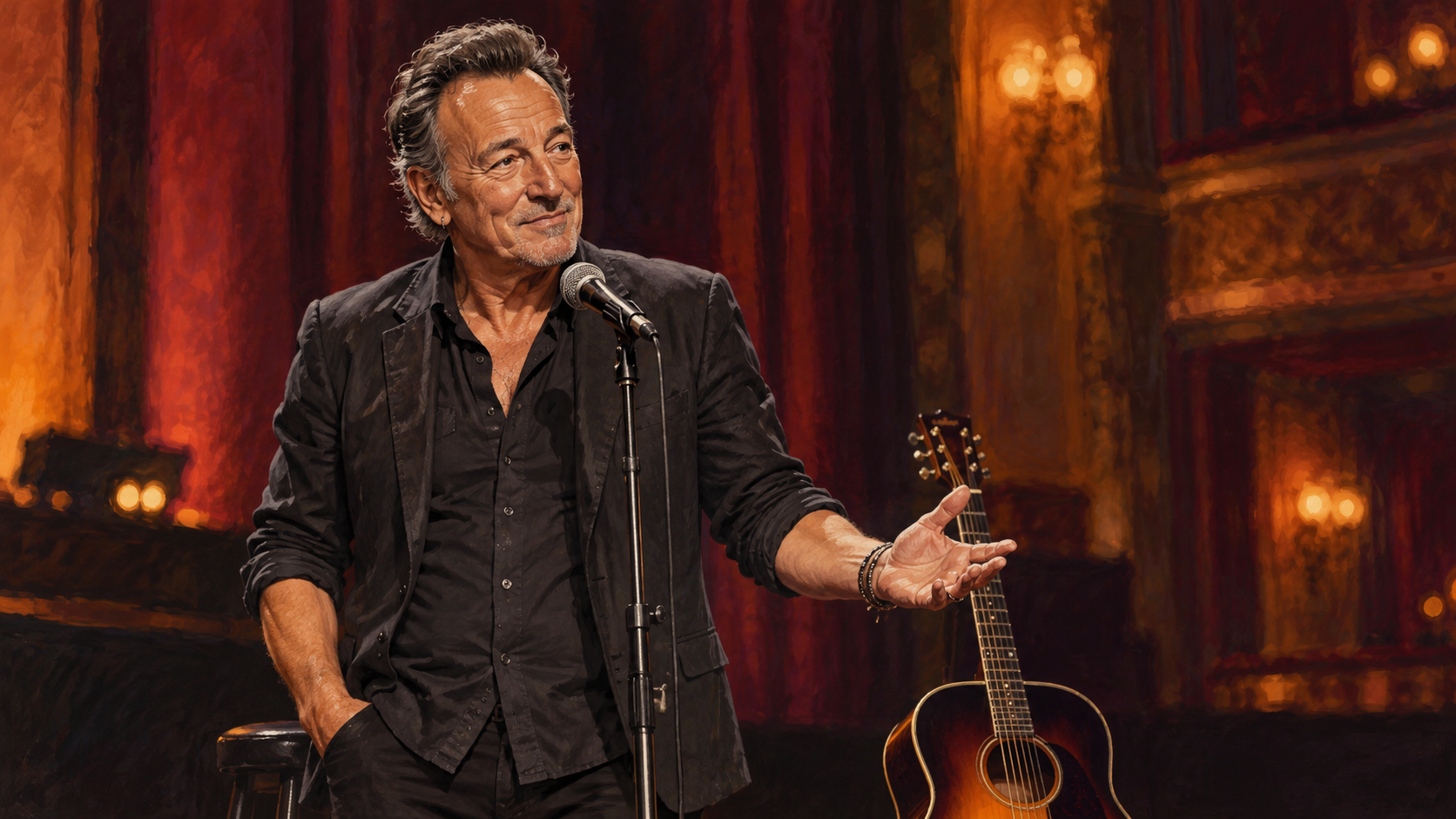
Bruce Springsteen made this statement during his 2012 SXSW keynote, a wide-ranging tour through the musical traditions that shaped him. He described borrowing, imitation, bands, scenes, and the false certainty of genre rules. Post-authentic did not mean that sincerity no longer matters. It meant that popular music has always been made through contact: artists hear records, absorb styles, cross boundaries, and recombine sounds whose histories extend far beyond any single performer’s supposedly pure identity.
The quote challenges a familiar critical reflex. Audiences often demand that an artist be completely original while also expecting recognizable genre signals, or they decide that a performer lacks authenticity because background and style do not match a fixed picture. Springsteen proposes a more useful test: what does the musician make of the influences, and does the result communicate a lived conviction? Authenticity becomes an achievement of attention, transformation, and performance rather than a birth certificate for entering a genre.
A post-authentic world is not a license for appropriation. Musical traditions carry histories of labor, race, migration, exploitation, and unequal reward. Borrowing responsibly requires credit, study, collaboration, and awareness of who profits while originators remain unseen. Nor should production craft excuse manufactured deception about authorship. Springsteen’s argument dissolves purity, not accountability. Influence is inevitable; the ethical question is how openly and reciprocally an artist enters the lineage being used.
Map the influences behind one favorite song or creative project. Follow at least one element—rhythm, instrument, vocal style, image, or narrative structure—past the most famous version to an earlier community or artist. Name that lineage when you share the work and let the research change how you create. Springsteen’s phrase frees artists from the impossible task of having no ancestors. In return, it asks for a more mature originality: make something personally convincing without pretending that the materials arrived from nowhere. Archives, liner notes, interviews, and live recordings can reveal that a genre was always more mixed than its later marketing suggested. Following those routes replaces the fantasy of purity with a richer history of exchange, conflict, commerce, and invention. Payment belongs in that history. When possible, license samples, credit collaborators prominently, and direct attention toward originators whose innovations generated value they did not receive. The listener can practice this ethic as well by reading credits, buying from artists directly, and sharing the earlier recordings that made a contemporary favorite possible. Authenticity then becomes an honest relationship with influence, not a claim of isolation.
Springsteen delivered the line in his 2012 SXSW keynote while tracing the artists and genres that formed his musical vocabulary. The speech openly celebrated imitation and influence.
The remark answered rigid ideas about genre purity and the demand that popular musicians appear untouched by predecessors. Springsteen argued that truth can emerge through the transformation of borrowed forms.
The quote remains relevant in remix culture and debates about authenticity. Its essential qualification is accountability: influence should be studied and credited, especially when cultural borrowing occurs across unequal power.
Explore more "Quotes of The Day"
Discover more notable quotes from influential voices across politics, science, business, technology, sports, and culture. Each quote offers insight into how ideas, beliefs, and decisions shape the world around us.