

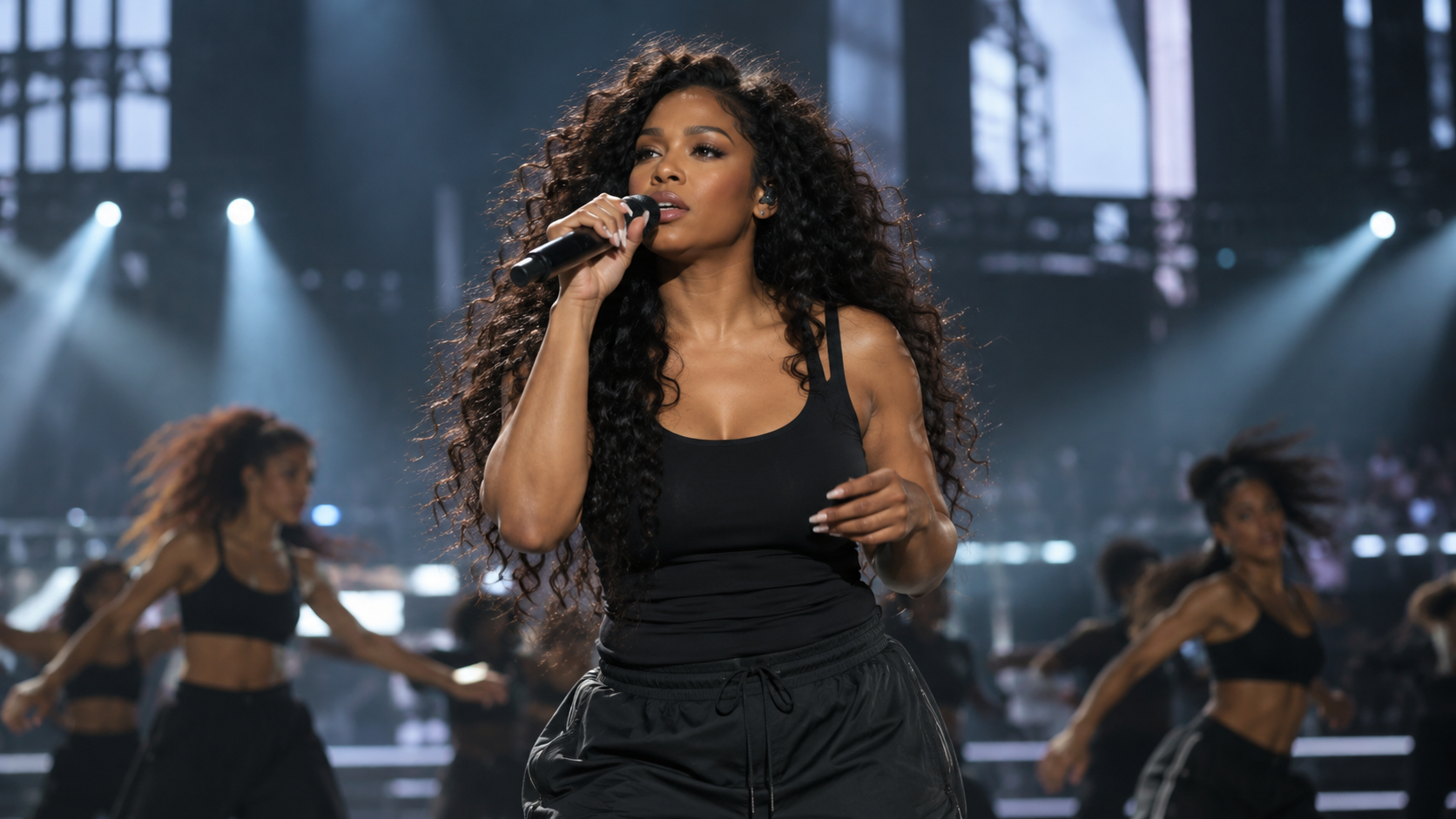
“Don’t let the world make you feel that you have to look a certain way to be brilliant.”
Beyoncé delivered this line in YouTube’s Dear Class of 2020, a virtual commencement created after the COVID-19 pandemic disrupted graduations around the world. Her address spoke directly to students entering adulthood amid public grief, racial injustice, and uncertainty. She urged graduates who had been treated as other to value the qualities institutions often pressured them to minimize. The sentence about appearance was part of a broader argument that brilliance does not require assimilation into a single approved image.
Popular culture can enlarge possibility, but it also teaches audiences what authority is supposed to look and sound like. Hiring, casting, promotion, styling, and criticism may reward familiarity while describing the result as neutral taste. Beyoncé’s quote asks who has been required to translate themselves before their ability can be recognized. Brilliance may arrive with an accent, a disability, a gender expression, a body, or a cultural vocabulary that an established gatekeeper has not learned to read.
Authenticity is not a demand to disclose everything or reject all adaptation. Artists routinely learn genres, professional codes, and audience expectations; people also make strategic choices about safety. The problem begins when one group’s presentation is treated as universal professionalism and everyone else’s as a deviation. Celebrating difference can also become shallow if institutions display varied faces without redistributing decision-making power, credit, protection, and investment. Visibility matters most when it changes who can shape the work.
Put the idea into practice by auditing a standard that feels obvious. Ask whether a casting brief, dress expectation, reference list, or definition of polish is tied to the task or merely to habit. Expand the examples used to teach quality, and give people room to succeed without performing distance from their communities. If an existing platform refuses to recognize the work, Beyoncé’s wider address offers a second move: build a stage, collaborate, and make the overlooked contribution harder to ignore. That work includes the audience. Readers and viewers can examine whose brilliance they recognize immediately and whose requires an explanation before they take it seriously. They can follow credits, seek criticism from within the represented community, and support work beyond the distribution systems that repeatedly promote familiar faces. Institutions may open doors, but cultural habits decide who is welcomed once inside. Expanding brilliance therefore asks for curiosity at every level, from the executive approving a budget to the person choosing what to watch next. A broader standard of brilliance becomes credible when people can remain recognizable to themselves while gaining resources, authority, and the freedom to define excellence with others.
Beyoncé spoke during YouTube’s Dear Class of 2020, addressing graduates whose ceremonies were disrupted by the pandemic and whose world was confronting racial injustice.
Her statement rejects the idea that intelligence or creative authority has one acceptable appearance. It belongs to a larger call for marginalized people to build their own stages.
The quote still matters in casting, hiring, fashion, and media criticism. Representation becomes substantive when visibility is matched by power, resources, safety, and credit.
Explore more "Quotes of The Day"
Discover more notable quotes from influential voices across politics, science, business, technology, sports, and culture. Each quote offers insight into how ideas, beliefs, and decisions shape the world around us.