

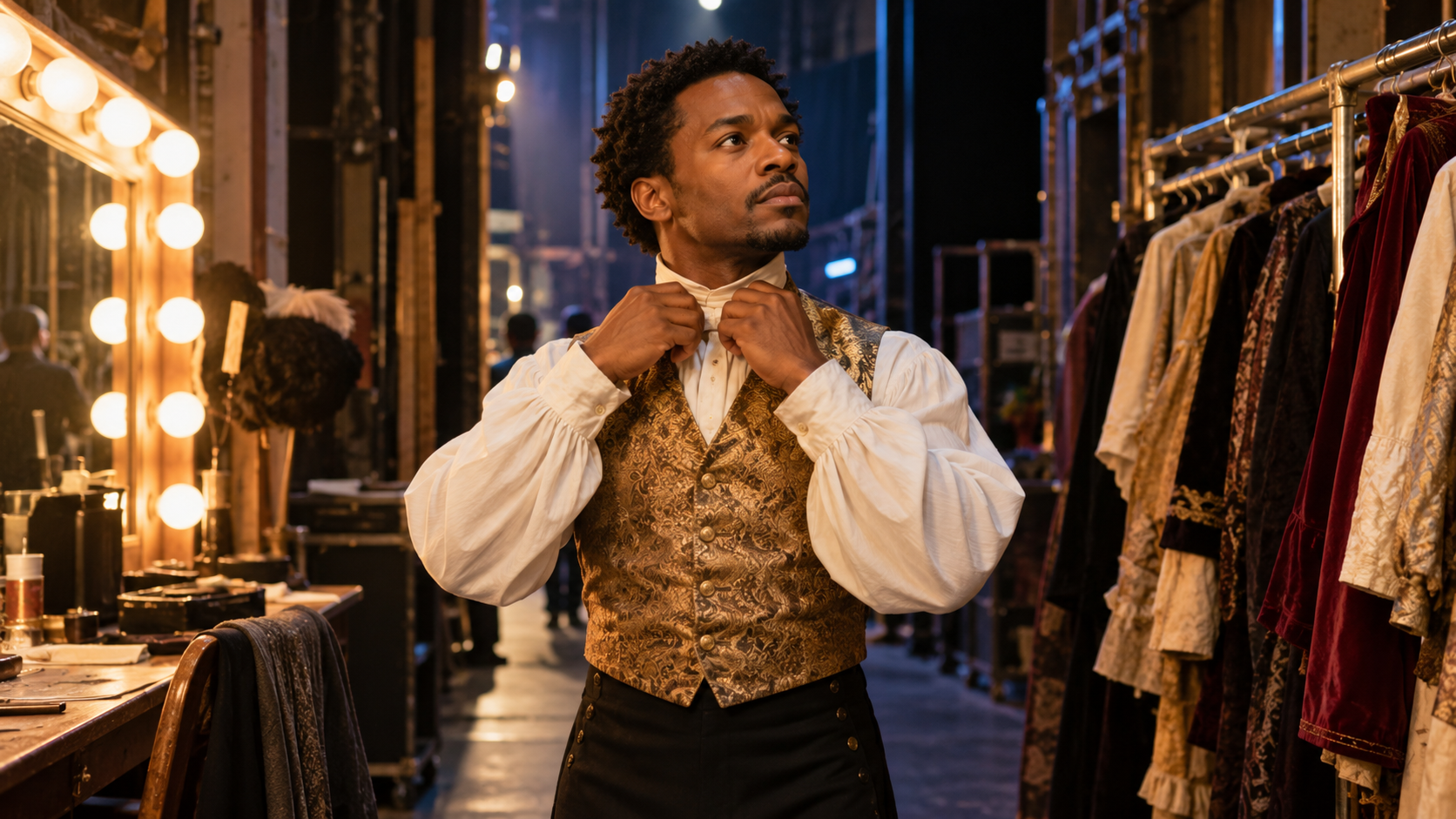
“We are the people that get to change the molecular structure of the hearts and minds of the people who live on this planet.”
Billy Porter delivered this declaration after winning the 2019 Emmy for lead actor in a drama series for Pose, becoming the first openly gay Black man to win the category. He began by quoting James Baldwin on unlearning the degrading ideas imposed on the self, then widened the moment to the vocation of actors and storytellers. Pose centered Black and Latino LGBTQ ballroom communities whose lives had rarely been given such sustained, complex attention on mainstream television.
The molecular metaphor captures how culture changes through accumulation. One performance rarely transforms a society alone, but repeated stories alter the emotional associations available to audiences. A character can complicate a stereotype, make an unfamiliar life legible, or give a viewer language for an identity previously encountered only through hostility. Hearts and minds are not separate from policy; what people can imagine about one another influences whose pain they recognize and whose freedom seems ordinary.
Artistic influence is not automatically benevolent. Stories can intensify prejudice, sentimentalize suffering, or turn a community into material without sharing power. An actor also works inside choices made by writers, directors, financiers, and distributors. Porter’s claim therefore carries responsibility as well as celebration. Changing an audience is not enough; creators must ask toward what understanding, whose interests, and with what consequences the change is directed.
Evaluate a story at the level of human possibility. Which characters receive interior lives, mistakes, humor, desire, and a future? Who exists only to educate or rescue someone else? Invite people represented by the work into consequential roles and pay for their expertise. Porter’s Emmy speech honored a breakthrough, but its lasting demand is ongoing: use the extraordinary access of performance to enlarge recognition, while building production conditions that recognize the people whose experiences make that cultural change possible. Critics and audiences participate in that molecular work too. The language used to describe a performance can reinforce old limits or help viewers notice choices they had been trained to overlook. Seek context before declaring a representation definitive, and allow communities to debate work without requiring unanimity. Cultural change is rarely a clean conversion; it is an expanding set of available feelings, images, and arguments. Porter’s metaphor honors the scale of that accumulation while reminding artists that every contribution enters a larger emotional environment. Every story participates in that environment, which is why artistic freedom and ethical reflection belong together rather than competing for control.
Porter spoke after his 2019 Pose win, when he became the first openly gay Black man to receive the Emmy for lead actor in a drama series.
His metaphor describes cultural change as cumulative. Performances can alter the emotional associations through which audiences understand identity, dignity, and belonging.
Influence creates responsibility. Representation should include power, credit, expertise, and attention to whether a story enlarges humanity or merely uses a community.
Explore more "Quotes of The Day"
Discover more notable quotes from influential voices across politics, science, business, technology, sports, and culture. Each quote offers insight into how ideas, beliefs, and decisions shape the world around us.