

“Women have made it clear that we will no longer be controlled, manipulated or abused.”
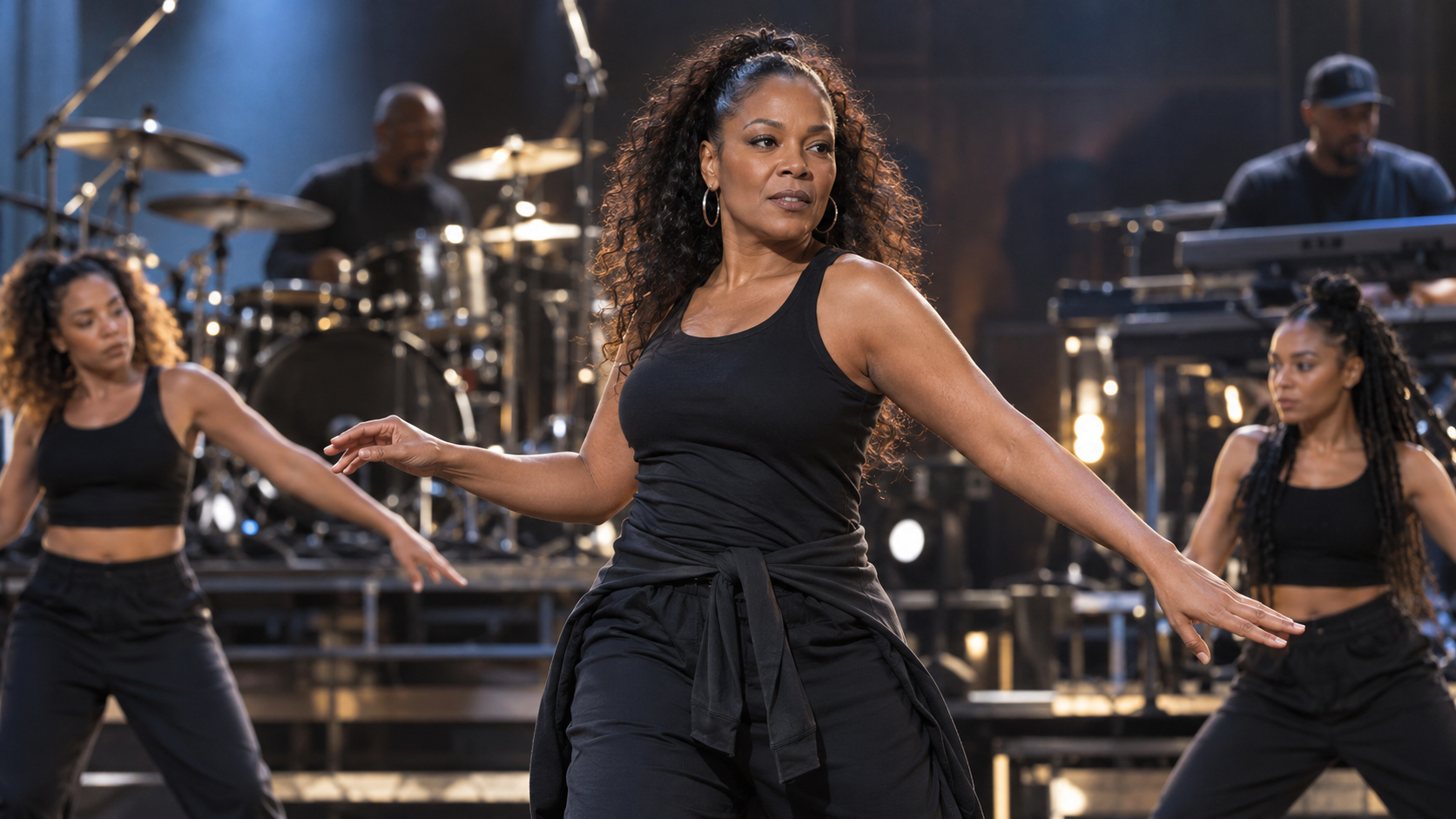
Janet Jackson delivered this declaration while accepting the Icon Award at the 2018 Billboard Music Awards, where she became the first Black woman to receive the honor. The ceremony occurred during the entertainment industry’s continuing reckoning with sexual harassment and abuse. Jackson used a career celebration to acknowledge a movement larger than herself, naming women’s refusal of control and manipulation while also calling for a loving social spirit that could oppose cruelty and division.
The line converts private boundary-setting into collective language. An individual worker may be easy to isolate, doubt, or replace; a public we changes the balance. In music and entertainment, where careers often depend on personal access to powerful people, collective standards can turn safety from a favor into an expectation. The declaration also joins bodily autonomy with creative autonomy. Control can operate through contracts, images, schedules, ownership, and the right to speak about one’s own experience.
Collective claims should not erase differences among women or presume that visibility protects everyone equally. Black women, queer and trans people, disabled workers, migrants, and low-paid crew may encounter distinct forms of retaliation and disbelief. A famous speaker can amplify the demand, but procedures must be designed for people who lack fame, money, or an audience. Public solidarity is incomplete if the most vulnerable person still has no safe place to report harm.
Turn no longer into an institutional threshold. Define prohibited conduct, establish independent reporting and appeal routes, protect against retaliation, and publish how responsibility is assigned. Review contracts and production practices for hidden forms of coercion. Jackson’s speech demonstrates how an award stage can name a collective boundary, but the boundary becomes real only when ordinary workers can rely on it after the broadcast ends. Autonomy needs both cultural affirmation and enforceable structure. Ownership belongs in the same conversation. Control over masters, image, choreography, and career narrative can determine whether an artist benefits from work created over decades. Transparent contracts and independent advice reduce the chance that ambition is used to secure consent to one-sided terms. For fans, supporting autonomy includes resisting entitlement to private access and taking artists seriously when they describe coercion. The cultural message and the business arrangement should point in the same direction: a person’s talent does not cancel their right to decide what happens to their labor and body. When autonomy governs both the performance and the agreement behind it, the language of empowerment gains material weight.
Jackson spoke while receiving the 2018 Billboard Icon Award, becoming the first Black woman honored in that category during the industry’s Time’s Up era.
Her statement turns personal refusal into collective power and connects safety with control over bodies, creative work, contracts, schedules, and public narrative.
Solidarity must reach workers without celebrity protection. Clear standards, independent reporting, anti-retaliation measures, and enforceable consequences make the declaration practical.
Explore more "Quotes of The Day"
Discover more notable quotes from influential voices across politics, science, business, technology, sports, and culture. Each quote offers insight into how ideas, beliefs, and decisions shape the world around us.