

On This Day in Pop: August 10, 1984
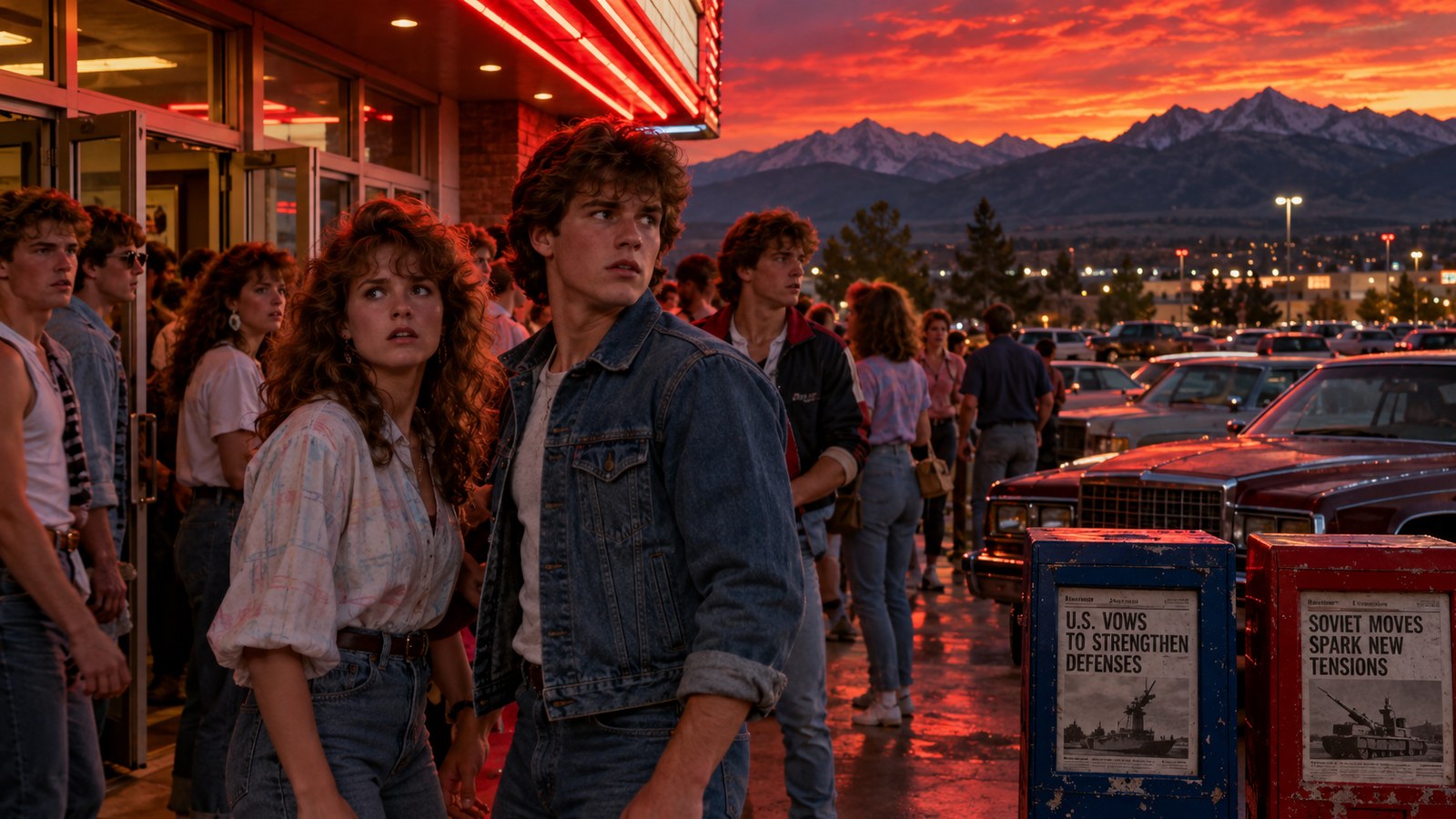
On August 10, 1984, Red Dawn opened in American theaters. John Milius’s action drama imagined Soviet and allied forces invading the United States and a group of Colorado teenagers organizing armed resistance in the mountains. Patrick Swayze, C. Thomas Howell, Lea Thompson, Charlie Sheen and Jennifer Grey played members of the young ensemble. The release came during renewed Cold War tension and translated geopolitical fear into a survival adventure built around small-town landmarks, family loyalty and guerrilla warfare. Its landscape looked familiar rather than futuristic, making the fantasy of invasion immediate for American audiences. The date is a useful point of entry because it captures the event before later reputation made its consequences appear inevitable. Contemporary audiences encountered a new release, performance or public loss in real time, with incomplete information and expectations shaped by the media and institutions of the period.
Red Dawn was the first feature released with the Motion Picture Association’s newly introduced PG-13 rating, created after controversy over violent PG films. That distinction connected the movie’s unusually intense combat to a broader argument about how studios should signal material positioned between childhood entertainment and restricted viewing. Popular culture is created through more than the famous person at the center: producers, technicians, exhibitors, broadcasters, audiences and physical venues all affect what survives. Looking closely at those conditions prevents an anniversary from becoming a list of familiar names and restores the choices, limitations and competing interests that surrounded the moment.
The film earned strong business despite divided reviews and became a durable reference point in political debate, military slang and home-video culture. A 2012 remake changed the invading power, showing how the original premise could be repackaged for a different geopolitical moment. That later history matters because influence is not a straight line. Works are rediscovered, technologies change, communities attach new meanings and commercial owners repackage the past. The most durable pop events remain open to argument, allowing admiration for creative achievement to exist beside criticism of exclusion, labor, power or representation.
Its anniversary offers more than 1980s nostalgia. The movie reveals how popular action stories can turn national anxiety into youth fantasy, and how a rating created for one cultural dispute can become an ordinary part of filmgoing. Anniversaries can flatten history into celebration, but they can also reopen it. Returning to this August date means separating what participants knew then from what later audiences added, and noticing how recordings, photographs, broadcasts and personal memories keep the event active. That distance between the immediate moment and its long afterlife is what makes this episode worth revisiting as part of popular culture.
Red Dawn opened on August 10, 1984.
On August 10, 1984, Red Dawn opened in American theaters. John Milius's action drama imagined Soviet and allied forces invading the United States and a group of Colorado teenagers organizing armed resistance in the mountains.
It was the first feature released with the new PG-13 rating.
Red Dawn was the first feature released with the Motion Picture Association's newly introduced PG-13 rating, created after controversy over violent PG films. That distinction connected the movie's unusually intense combat to a broader argument about how studios should signal material positioned between childhood entertainment and restricted viewing.
The film converted Cold War fears into a story of teenage guerrilla resistance in Colorado.
The film earned strong business despite divided reviews and became a durable reference point in political debate, military slang and home-video culture. A 2012 remake changed the invading power, showing how the original premise could be repackaged for a different geopolitical moment.
Explore more of "On This Day ..."
Discover more events from the same date across news, politics, technology, sports, and other fields. Each link highlights significant moments that shaped history on different fronts.