

On This Day in Pop: September 12, 1966
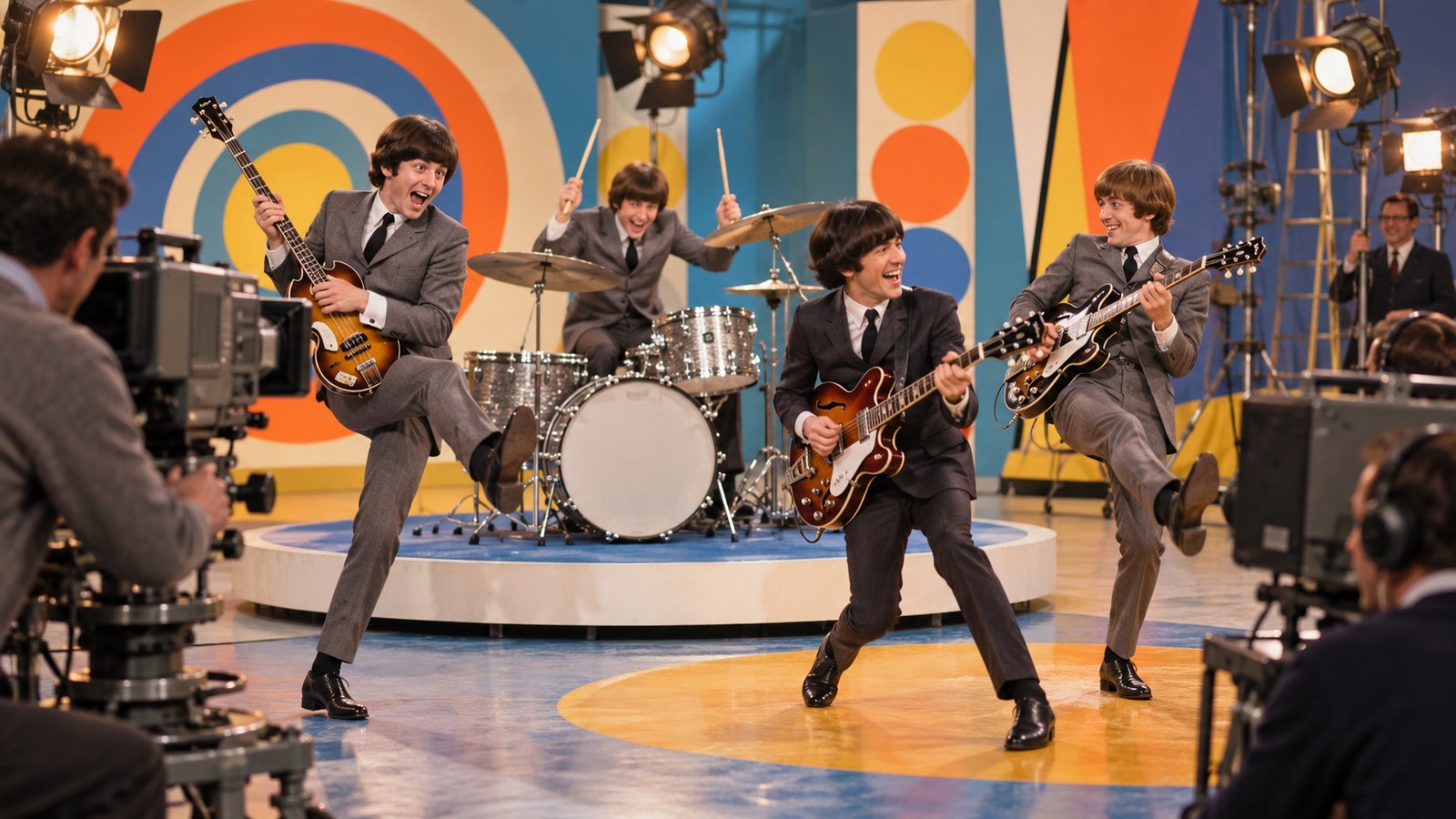
On September 12, 1966, The Monkees television series premiered on NBC. The fast-moving sitcom introduced four young musicians sharing a beach house and chasing success through songs, slapstick and self-aware visual gags. Davy Jones, Micky Dolenz, Michael Nesmith and Peter Tork had been selected through auditions for a project conceived around television and records together. Producers Bob Rafelson and Bert Schneider drew on the Beatles’ films and the energy of contemporary youth culture. Quick cutting, direct address and fantasy sequences made the series feel closer to a music video before that term became standard. The date captures the event before later reputation made its consequences look inevitable, when audiences encountered a new release, performance, institution or public loss with only the expectations available at the time.
The manufactured premise led critics to question the group’s authenticity, even though the performers brought real musical experience and increasingly demanded control over recordings. Their struggle exposed how pop stardom can be both designed by institutions and reshaped by the people cast inside it. Popular culture is never made by a famous name alone. Writers, producers, technicians, broadcasters, retailers, venues and audiences shape what becomes visible and what survives. Looking at those conditions turns an anniversary from a list entry into a record of choices, limits and competing interests.
The show lasted two seasons, while the records produced major hits and an enduring catalog. The members won greater instrumental authority, then pushed into the surreal film Head as the original television phenomenon began to recede. That afterlife matters because influence does not move in a straight line. Reruns, reissues, new technology, criticism and community memory can change the meaning of a work long after its first appearance. Durable pop history therefore holds creative achievement beside questions of labor, access, power and representation.
September 12 marks an experiment in cross-platform pop that anticipated later entertainment franchises. The Monkees mattered because the boundary between artificial construction and genuine creativity proved far less stable than either fans or skeptics expected. Returning to this September date means separating what participants knew then from what later audiences added. Recordings, photographs, broadcasts and recollections keep the moment active, but they also select and reshape it. That distinction protects against hindsight: a chart position, premiere, publication, concert or memorial may become a neat milestone later, but the people present still faced uncertainty. Reading the moment in both directions—through its original conditions and its accumulated meanings—keeps celebration from replacing history. The distance between the immediate event and its continuing interpretation is what makes this episode worth revisiting.
The Monkees premiered on NBC on September 12, 1966.
On September 12, 1966, The Monkees television series premiered on NBC. The fast-moving sitcom introduced four young musicians sharing a beach house and chasing success through songs, slapstick and self-aware visual gags.
The four stars were assembled through auditions for a combined television and recording project.
The manufactured premise led critics to question the group's authenticity, even though the performers brought real musical experience and increasingly demanded control over recordings. Their struggle exposed how pop stardom can be both designed by institutions and reshaped by the people cast inside it.
The group later fought successfully for greater control of its music.
The show lasted two seasons, while the records produced major hits and an enduring catalog. The members won greater instrumental authority, then pushed into the surreal film Head as the original television phenomenon began to recede.
Explore more of "On This Day ..."
Discover more events from the same date across news, politics, technology, sports, and other fields. Each link highlights significant moments that shaped history on different fronts.