

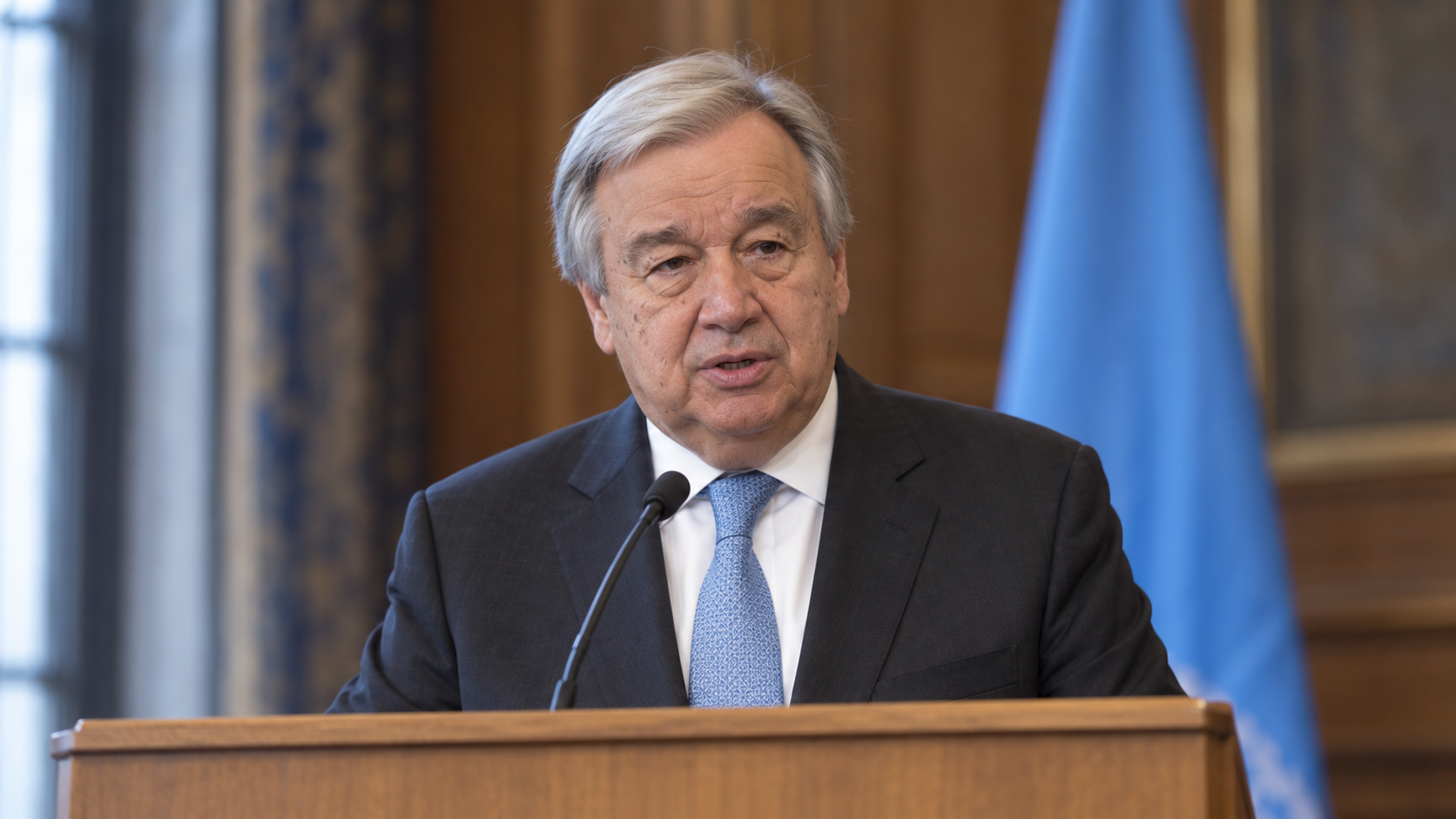
“Making peace with nature is the defining task of the 21st century.”
António Guterres delivered his State of the Planet address at Columbia University on December 2, 2020, as the world faced the disruption of the COVID-19 pandemic. The United Nations and UN Climate Change preserve the speech and its central call to make peace with nature. As Secretary-General, he presented environmental damage as a consequence of human choices that could also be changed through human action. The quote is therefore a statement about responsibility, rather than an appeal to admire scenery. It asks governments and societies to treat the natural systems supporting human life as a central consideration in their decisions.
The address brought climate change into a wider discussion of ecosystems, biodiversity, pollution, and economic policy. Guterres argued that recovery spending could influence the kind of future being built, and he urged changes in finance, energy, and protection against climate impacts. His examples and figures belonged to the circumstances of 2020. The enduring point is the relationship among decisions that are often considered separately. A budget, a transport system, a land-use choice, and a conservation measure can all affect the conditions in which people live. Environmental responsibility becomes harder to dismiss when it is understood as part of those ordinary public functions.
The language of peace also raises a question about who bears the costs of damage and of repair. People who have contributed little to a problem can face severe consequences, while a change in an industry can place real demands on its workers. A responsible response should examine both. Protecting an ecosystem and supporting a community through transition need not be treated as unrelated tasks. They involve choices about timing, resources, and participation. This is a practical interpretation of the speech’s emphasis on a fair transition. It does not mean that every proposed environmental policy is automatically effective or that its distributional effects can be assumed away.
The quote invites a different test of political success: whether a decision helps maintain the conditions on which future choices will depend. Short-term benefits can conceal costs that arrive later or fall elsewhere. A more complete assessment makes those costs visible, identifies who will face them, and explains how results will be measured. Citizens can use that approach when comparing a promise with a plan or a plan with its implementation. Guterres’s statement does not supply a single solution for every country. It establishes the scale and seriousness of the task, while leaving public institutions accountable for the specific actions through which they claim to meet it.
The quote comes from Guterres’s State of the Planet address at Columbia University on December 2, 2020.
The UN transcript and UN Climate Change’s reproduction preserve the wording and the speech’s wider discussion of climate, ecosystems, and recovery.
Making peace is a metaphor for changing the human choices that damage natural systems. The address tied environmental protection to economic decisions.
A fair transition requires attention to vulnerable communities and to workers affected by change. Policy effects need to be examined rather than assumed.
Readers can ask whether a proposal identifies environmental costs that arrive later or fall on people elsewhere.
A meaningful plan explains its actions, resources, and measures of progress. The scale of a promise does not replace accountability for delivery.
Explore more "Quotes of The Day"
Discover more notable quotes from influential voices across politics, science, business, technology, sports, and culture. Each quote offers insight into how ideas, beliefs, and decisions shape the world around us.