

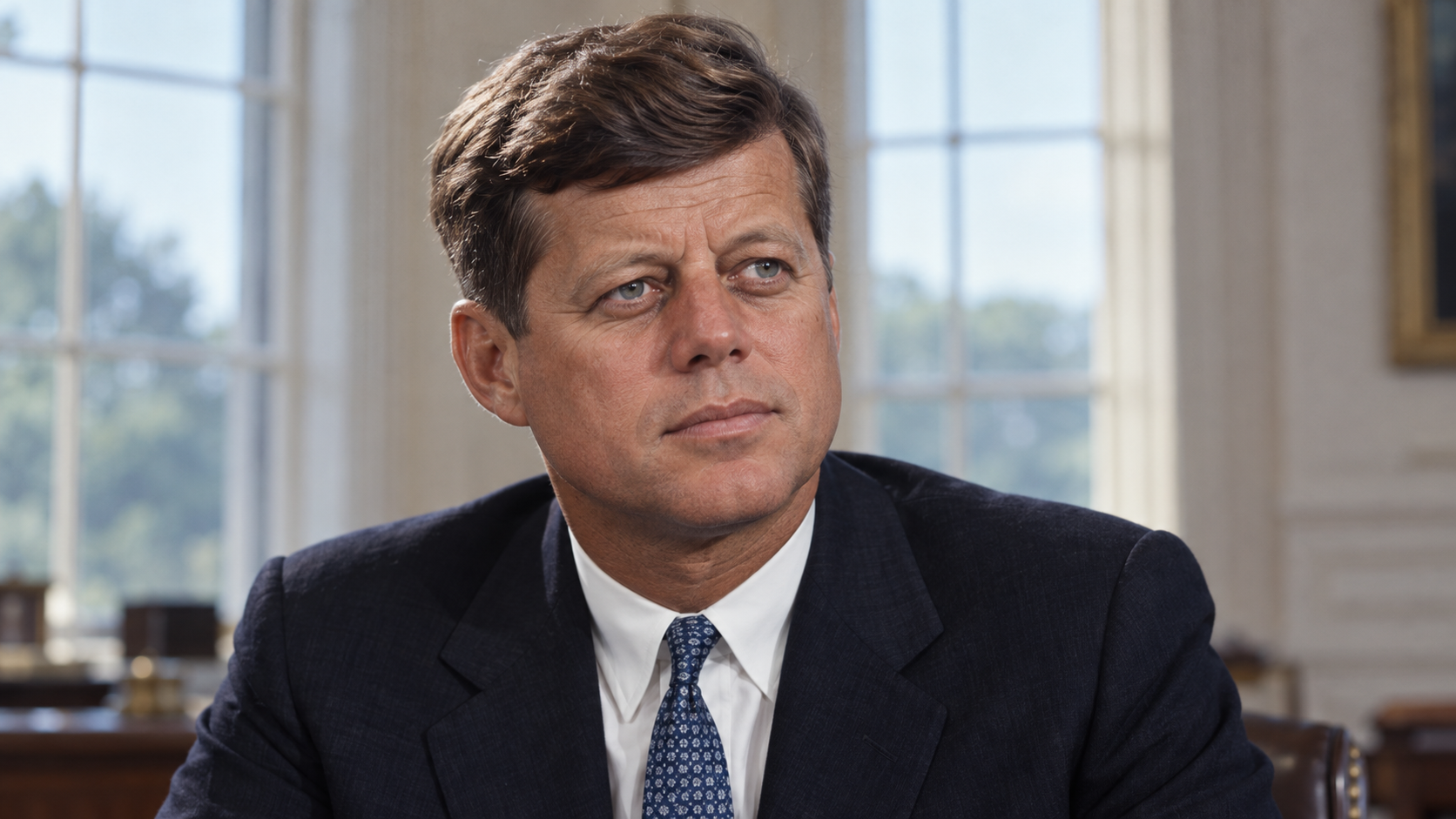
“And so, my fellow Americans: ask not what your country can do for you—ask what you can do for your country.”
John F. Kennedy delivered this challenge on January 20, 1961, during his inaugural address at the U.S. Capitol. The new president took office during the Cold War and used the speech to announce a generational transition in American leadership. He addressed allies and adversaries, called for cooperation against poverty and war, and then turned directly to the responsibilities of American citizens.
The sentence became memorable because it transformed an abstract idea of citizenship into a simple contrast. Democratic government provides rights, institutions, and public services, but it also depends on participation, judgment, and shared responsibility. Kennedy’s words asked listeners to see themselves not only as recipients of government action but as people capable of contributing to the common good.
The call soon gained a visible connection to public service. Less than six weeks after the inauguration, Kennedy established the Peace Corps as a pilot program, and Congress made it permanent later that year. The organization gave Americans a structured way to volunteer abroad in education, health, agriculture, and community development at the request of host countries.
The quote continues to shape political language because the balance it describes remains unsettled. Citizens can vote, serve on juries, participate in local government, volunteer, and hold leaders accountable, while public institutions retain obligations to protect rights and serve communities fairly. Kennedy’s line endures as a reminder that democracy is both something people inherit and something they must continually practice.
John F. Kennedy delivered this appeal during his inaugural address on January 20, 1961. Near the speech’s conclusion, he challenged Americans to contribute to national life.
The address linked public service to a broader struggle against tyranny, poverty, disease, and war. Kennedy then extended his appeal to people beyond the United States, urging cooperation in advancing human freedom.
The sentence reverses the relationship between personal benefit and public duty. Its balanced structure asks listeners to consider what they can contribute to a shared political community.
The administration soon created the Peace Corps, giving trained American volunteers a way to serve abroad. Voting, jury service, local government, and informed public debate offer other ways to put civic responsibility into practice.
Calls to service can inspire collective action, but governments must still answer for the quality and fairness of public institutions. Civic responsibility does not erase citizens’ rights or the state’s obligations. Kennedy also asked people to demand commitment from their leaders.
The quotation remains useful because democracy depends on both accountable institutions and active citizens. Its international context also matters: Kennedy called for negotiation, arms control, and cooperation against deprivation, giving the appeal a purpose beyond national self-interest.
Explore more "Quotes of The Day"
Discover more notable quotes from influential voices across politics, science, business, technology, sports, and culture. Each quote offers insight into how ideas, beliefs, and decisions shape the world around us.