

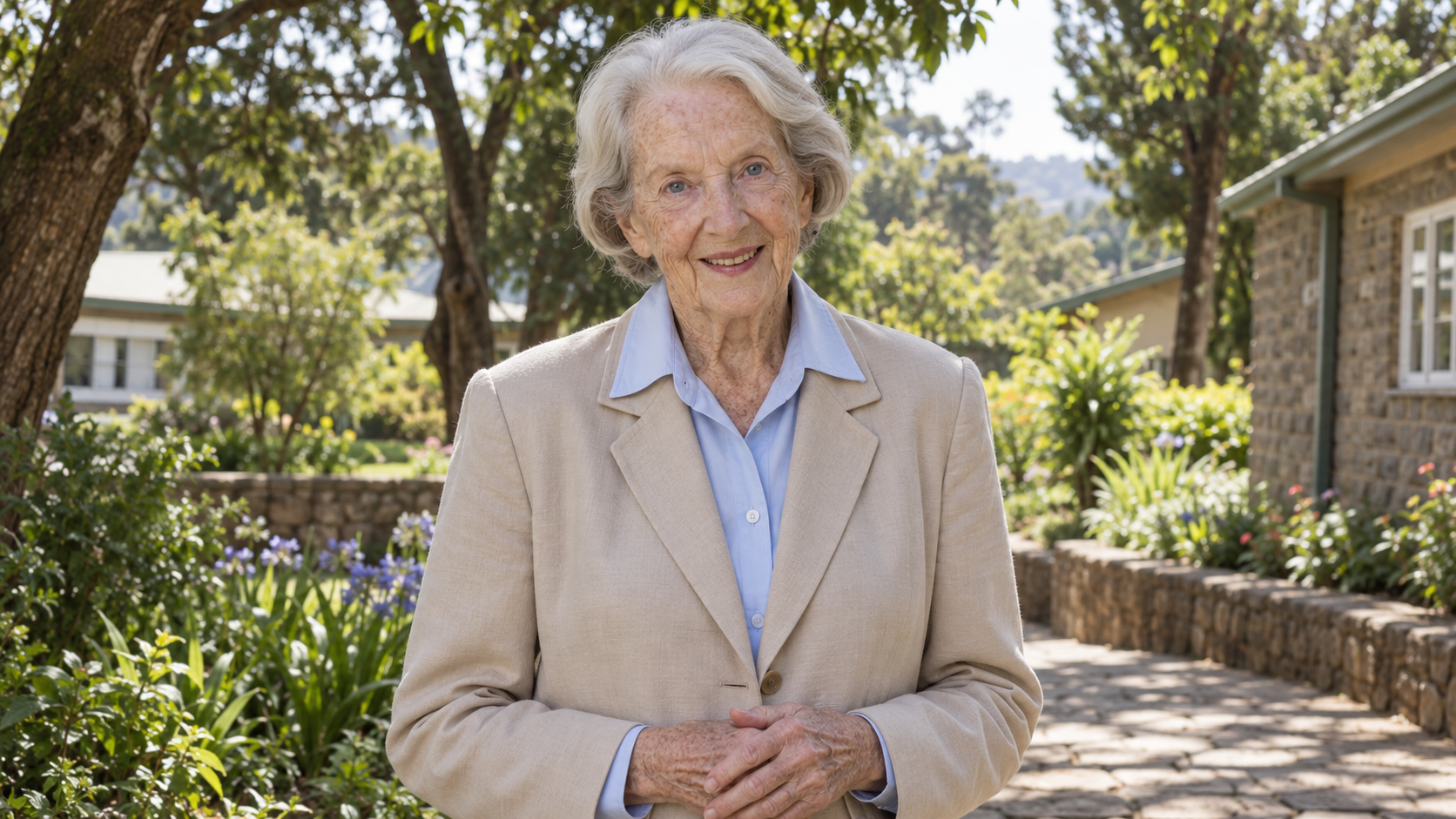
“Repairing this childbirth injury gives them new hope and new life.”
Hope after a serious childbirth injury involves more than the closing of a surgical wound. Catherine Hamlin spoke about that wider meaning in an interview with Fiona Fleck published in the Bulletin of the World Health Organization in October 2013. She was describing obstetric fistula and the isolation women could experience while living with the injury. Her sentence points toward possibilities that treatment can reopen: comfort, connection, and a renewed ability to participate in everyday life. It should be read as an expression of what care can offer, rather than a guarantee that every operation resolves every difficulty. The May 20 entry reflects on that distinction. A hopeful account becomes more trustworthy when it leaves room for the person’s circumstances, the uncertainties of recovery, and the support needed beyond an intervention. Hamlin’s words invite that fuller understanding of what it means to help.
The foundation that continues her work describes a model combining surgical care with rehabilitation, counselling, and assistance with returning to community life. That account places practical support beside clinical treatment. It also acknowledges women whose injuries require more complex and sustained care. A research paper coauthored by Hamlin and colleagues, published in 2008, examined health and social difficulties among women with treated and untreated fistula in rural Ethiopia. Its findings indicated that some problems could persist after surgical repair, supporting attention to follow-up and reintegration. The study does not define every woman’s experience or establish that a single program meets all needs. It does reinforce the importance of asking what happens after the procedure. Someone may need further physical care, opportunities to rebuild confidence, or help navigating relationships altered during a long period of illness and exclusion.
The phrase new life can carry a generous intention without implying that a woman’s previous life had less value. Dignity belongs to a person before treatment, throughout recovery, and when an outcome is incomplete. Care should protect that dignity rather than make it dependent on clinical success or a publicly moving story. This perspective changes the questions we ask about recovery. Instead of stopping at whether an intervention was performed, we can ask whether the person has information, ongoing support, and opportunities that fit her own priorities. Listening matters because a patient’s definition of improvement may extend beyond a measure recorded in a chart. Hamlin’s reflection is most useful when it directs attention to those possibilities while respecting individual experience. The hopeful ending belongs to the woman whose life is changing; clinicians and communities contribute by making support available, without deciding in advance how her future must look.
She was discussing obstetric fistula in her 2013 WHO interview. The condition can follow prolonged obstructed labor and can have physical and social consequences requiring appropriate specialist care.
The selected sentence describes hope offered by treatment. It does not claim that all injuries are alike or that a particular result is assured.
The 2008 study by Hamlin and colleagues reported persisting difficulties for some women after repair. Its conclusion supported follow-up and help with community reintegration.
The foundation’s care model similarly includes rehabilitation and counselling. These elements recognize that recovery can involve needs extending beyond the operation itself.
A hopeful account should leave room for different goals and different outcomes. An individual may value comfort, relationships, independence, or another aspect of daily life that a brief clinical summary misses.
Dignity is not earned by a successful procedure. Respectful care supports a woman’s agency while providing the resources and information she needs during a changing situation.
Explore more "Quotes of The Day"
Discover more notable quotes from influential voices across politics, science, business, technology, sports, and culture. Each quote offers insight into how ideas, beliefs, and decisions shape the world around us.