

On This Day in Tech: September 23, 2008
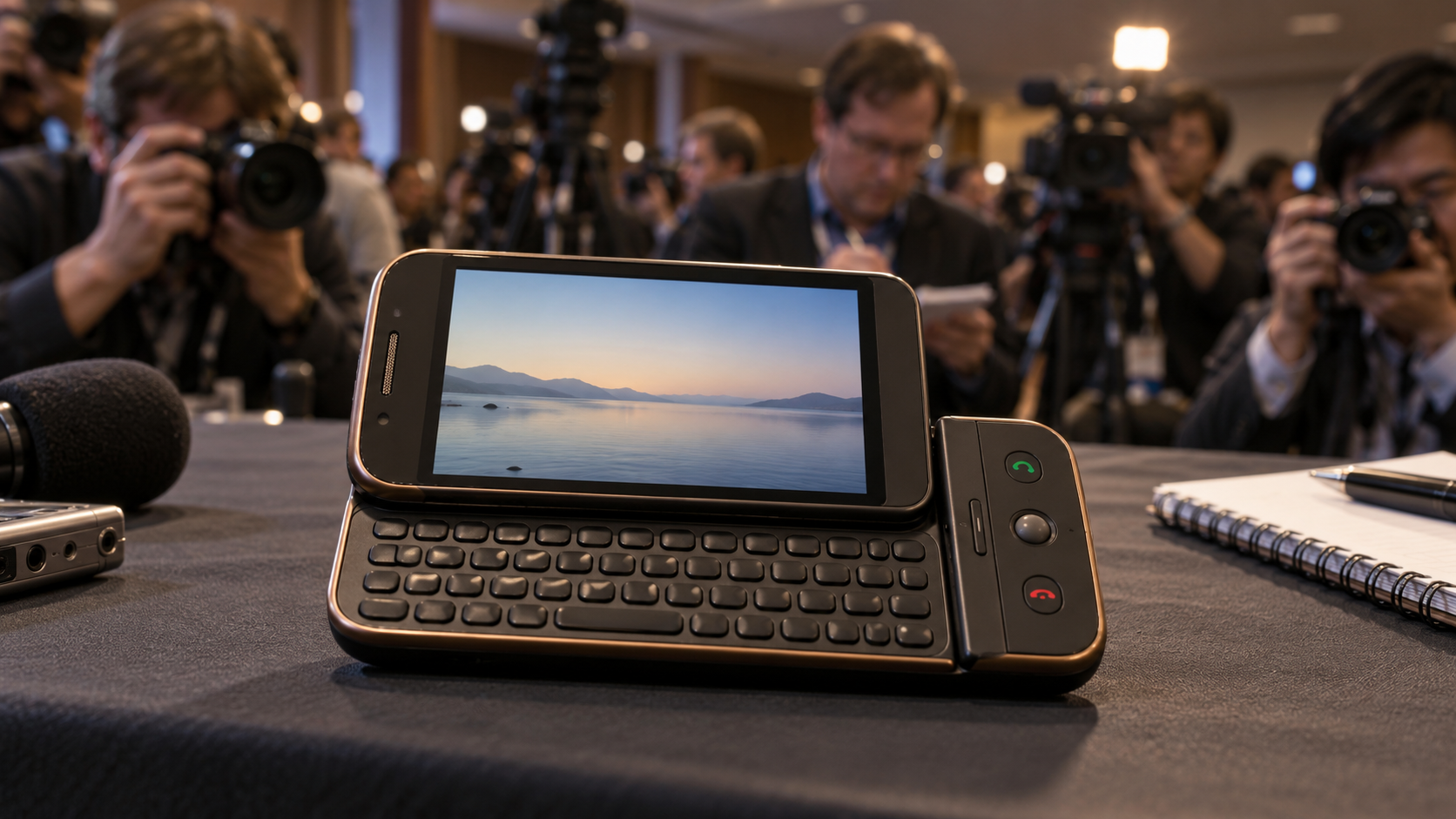
On September 23, 2008, T-Mobile, Google, and handset maker HTC unveiled the T-Mobile G1, the first commercial phone introduced with Google’s Android operating system. The announcement did not mean customers could buy the device that day; its United States release followed on October 22. What the public saw was a distinctive bridge between two eras: a touchscreen display that slid sideways to reveal a physical QWERTY keyboard, plus familiar call buttons and a small trackball. The design supported one-handed navigation as well as longer typed messages. That combination made the unfamiliar software feel approachable at a moment when touch-centric smartphones were still new.
The more important debut was the platform behind the hardware. Android was designed as an open, adaptable mobile operating system that manufacturers and carriers could use across many devices. The G1 demonstrated integrated Google services such as Gmail, Maps, and YouTube, while Android Market offered a simple route for downloading third-party applications. Google also released the Android 1.0 software development kit, giving developers the tools to build for the new phone. Developers could distribute programs without negotiating placement in a physical retail channel. The launch therefore introduced a handset, a distribution channel, and a broader software ecosystem at the same time.
The first version was plainly unfinished. The G1 was bulky compared with slimmer rivals, its browser and media features were limited, and early Android lacked many conveniences that later users would take for granted. The phone also arrived first through a single United States carrier, constraining its immediate reach. Even so, the device showed that a smartphone could combine a web-focused interface, cloud-connected services, and an application marketplace without tying the entire platform to one hardware design. Other manufacturers could see a path to entering the modern smartphone market without creating a complete operating system from scratch.
That flexibility became the G1’s lasting importance. Android soon spread to phones with different screens, keyboards, cameras, and price points, then to tablets and other connected devices. Competition among manufacturers accelerated improvements in processors, displays, mobile photography, and wireless networking, while the growing application economy changed how software was distributed and updated. Carriers and handset makers could differentiate products while sharing a common base. The G1 itself was quickly surpassed, but its September 23 unveiling marked the first public step in an ecosystem that would place pocket computing within reach of billions of people. Its slide-out keyboard now looks transitional; the open platform it carried proved enduring.
By 2008, smartphones were moving beyond e-mail appliances and toward touch-driven mobile computers. Google had acquired the Android team in 2005 and worked with the Open Handset Alliance to build a platform that multiple manufacturers and carriers could adopt.
On September 23, T-Mobile, Google, and HTC unveiled the G1. The hardware paired a touchscreen with a slide-out keyboard and trackball, while Android 1.0 supplied Google services, a web browser, and access to Android Market.
The G1 reached United States customers on October 22 rather than on announcement day. Its release gave developers a real consumer device for applications built with the Android 1.0 software development kit.
Early reviews noted bulky hardware and missing features, but the phone established a credible alternative mobile ecosystem. Manufacturers could compete in modern smartphones without having to invent an operating system and application channel on their own.
Android expanded across many hardware makers, carriers, price ranges, and regions. That diversity helped smartphones reach far beyond the premium market and made mobile software a major global industry.
The G1's keyboard and trackball soon gave way to all-screen designs, yet its basic model endured: cloud-connected services, downloadable applications, and an adaptable operating system shared across devices.
Explore more of "On This Day ..."
Discover more events from the same date across news, politics, technology, sports, and other fields. Each link highlights significant moments that shaped history on different fronts.