

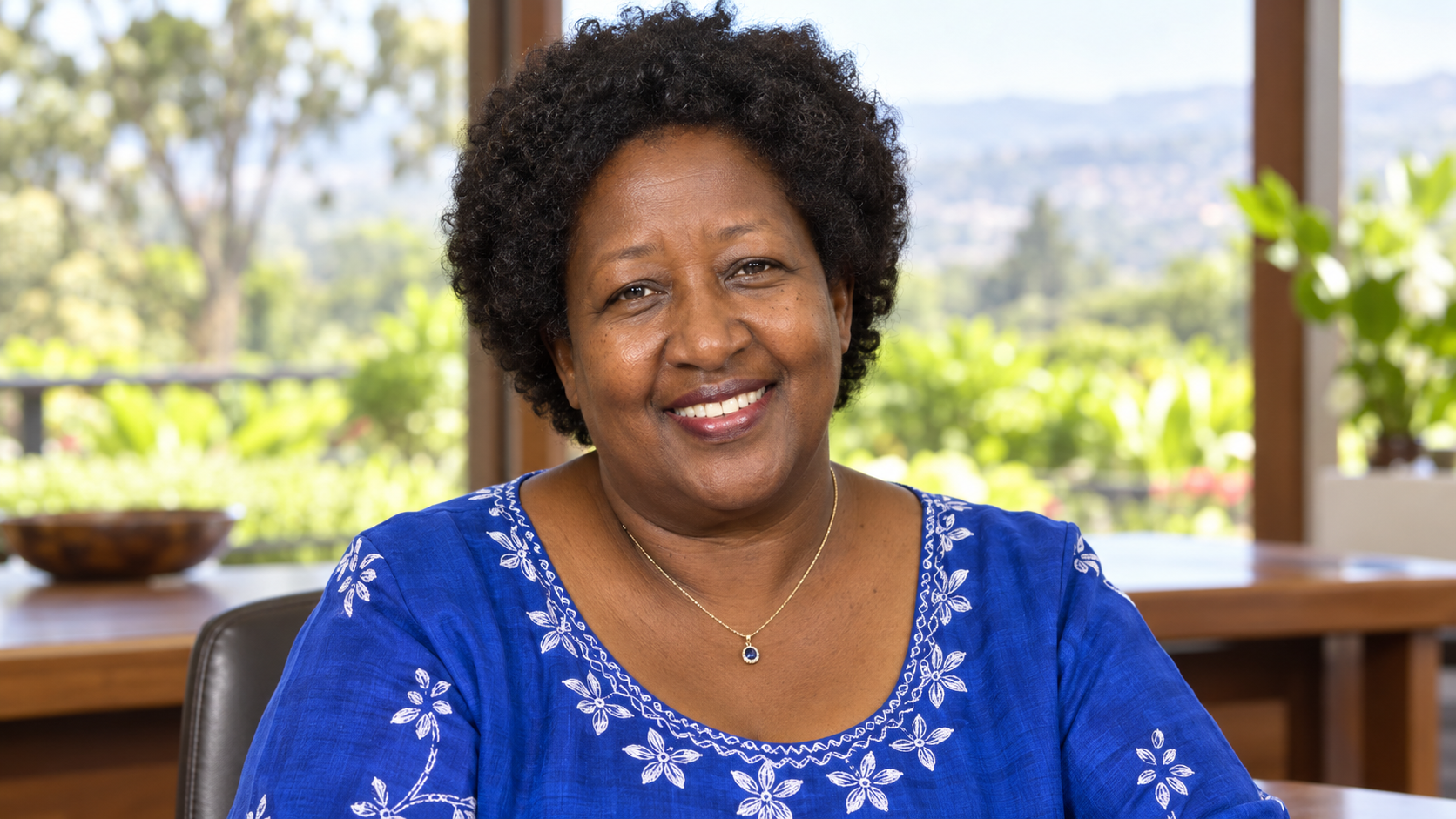
“We can't let global health research momentum decrease.”
Agnes Binagwaho made this statement during the 2015 David E. Barmes Global Health Lecture hosted by the National Institutes of Health. Speaking as Rwanda’s health minister, she discussed the relationship between research, public services and the capacity of a country to develop its own expertise. The NIH report records her closing appeal for research partnerships and continued progress. Elsewhere in the lecture she argued that research should benefit the people being studied and that scientific information should be accessible to those who can use it. She emphasized participation by Rwandan investigators in research conducted in Rwanda. Those details give the quote a concrete direction: scientific responsibility concerns the arrangements around discovery, as well as the discovery itself. A finding can be intellectually valuable while remaining difficult for the relevant community to obtain, evaluate or apply. Her words ask researchers to take that distance seriously rather than treating publication as the final measure of success.
One way to interpret this responsibility is to follow a study beyond its announcement. Who helped choose the question? Who can examine the results? Who has the resources to put a promising finding into practice? These questions do not replace methodological rigor; they broaden the account of what useful rigor must eventually serve. Imagine a project that identifies an obstacle in a local health service. A polished report alone cannot tell whether staff have enough time to respond, whether patients consider the proposed change acceptable or whether the service can maintain it. Those concerns call for conversation and follow-through. This example extends the principle without claiming that Binagwaho described that particular project. It suggests that research quality includes honest attention to the setting where benefits are expected, especially when the people contributing their experience have less control over what happens afterward.
The sentence also challenges a habit of picturing expertise as something that travels in only one direction. A visiting team may bring valuable tools, but a local team brings knowledge of institutions, language, history and everyday constraints. A partnership becomes more useful when that knowledge influences decisions rather than appearing only in an acknowledgments section. Responsibility can include supporting the ability to ask future questions, not just completing the present investigation. For readers who do not conduct research, the quote offers a way to evaluate claims about scientific progress: look for an explanation of who gains access to the promised benefit and how that access will occur. Enthusiasm deserves a practical counterpart. The distance between a result and a reliable service often involves patient work by many people. Binagwaho’s appeal encourages us to value that work, and to remember that a community should be able to recognize itself among the beneficiaries of knowledge created with its participation.
Publishing a result can begin its useful life rather than complete it. Ask whether the relevant service can assess and apply what the research found.
Practical benefit may require training, resources or changes in how work is organized. A research announcement should explain these remaining steps.
Knowledge of a community is not merely background information. It can determine whether a study asks a meaningful question and whether a proposed response is workable.
A partnership should make room for local investigators to shape the question, methods and interpretation. Shared authorship is one visible part of a broader relationship.
A discovery cannot help someone who cannot obtain or understand the account of it. Access concerns the usefulness of the information as well as its availability.
Clear explanations and opportunities for discussion can support informed judgment. They help a community assess the implications without requiring uncritical acceptance of a research claim.
Explore more "Quotes of The Day"
Discover more notable quotes from influential voices across politics, science, business, technology, sports, and culture. Each quote offers insight into how ideas, beliefs, and decisions shape the world around us.