

On This Day in Tech: November 10, 1951
On November 10, 1951, the Bell System introduced an experimental long-distance customer-dialing service in Englewood, New Jersey. At the opening ceremony, Mayor M. Leslie Denning dialed a telephone call to Mayor Frank Osborn in Alameda, California. The demonstration showed a customer reaching the opposite coast without asking an operator to establish that particular connection. Long-distance telephone conversations were not new, and this was not the first time voices had crossed the continent. The milestone was the customer’s ability to provide the routing information directly through the telephone dial, using an automated system extending beyond the local calling area.
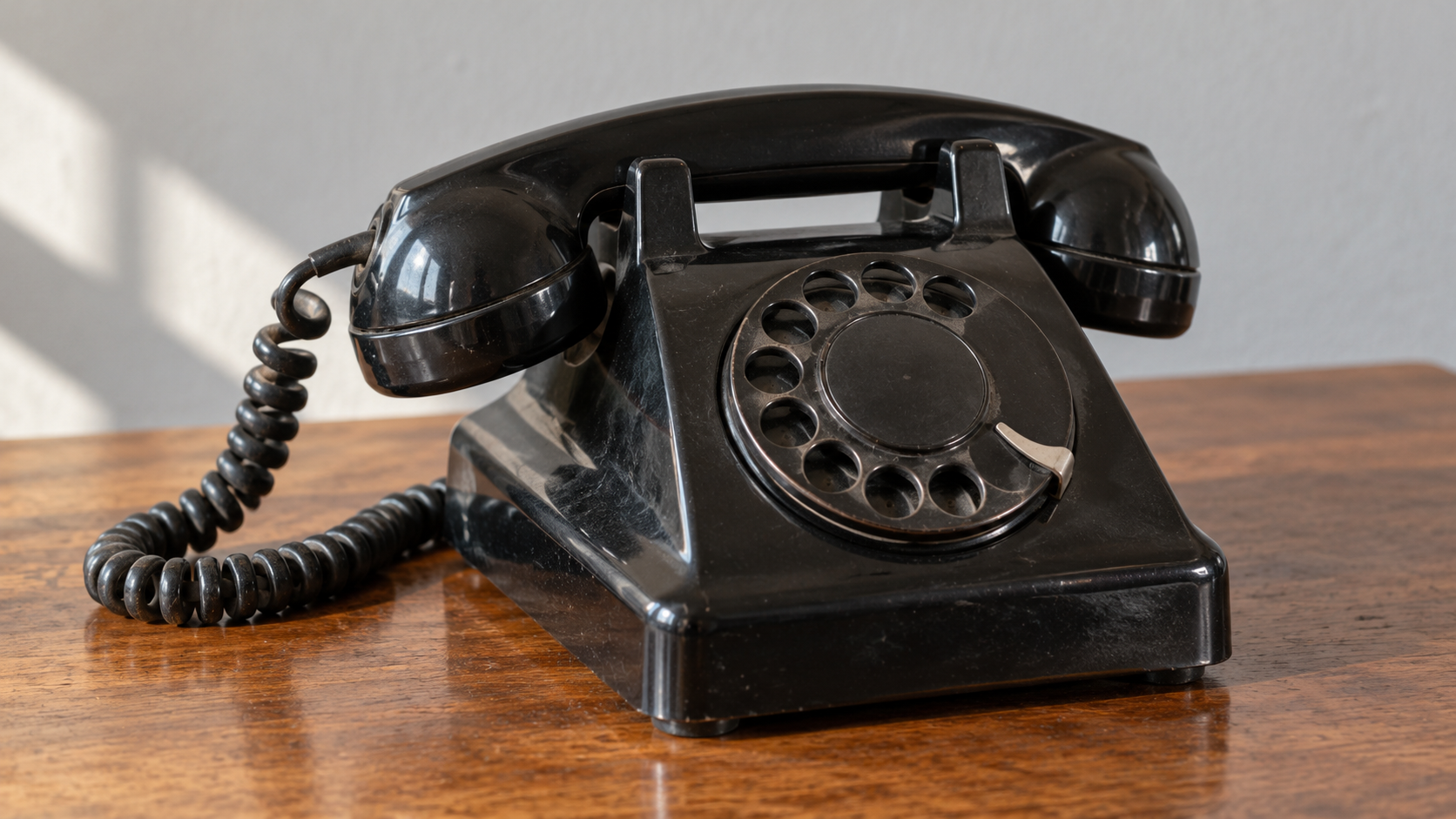
Local automatic dialing had already become familiar in many communities, while operators had increasingly used improved equipment for long-distance work. Extending direct dialing to customers required a coordinated numbering and switching arrangement. A local telephone number alone could not identify a destination throughout a large national network. Area codes supplied an additional level of geographic addressing, allowing switches to distinguish similar numbers in different places. The Englewood equipment and the facilities serving selected destinations had to cooperate in recognizing the dialed information and establishing a route. What looked like ten turns of a familiar dial depended on a substantial network of interconnected machinery.
The initial service was limited rather than immediately national in availability. Eligible subscribers in the Englewood area could directly reach selected distant cities and surrounding communities where numbering plans and switching facilities supported the trial. Many other calls still needed operator assistance. Automatic connections also created practical questions about identifying the calling line, recording chargeable use, and handling situations that did not fit a straightforward completed call. A successful ceremonial conversation demonstrated the system’s possibility, but it did not prove that every exchange, customer line, or long-distance route had been converted. Expanding the service involved both engineering work and teaching customers a new dialing pattern.
Direct distance dialing subsequently spread as exchanges, transmission facilities, and operating practices were modernized. The area-code system became an ordinary part of everyday communication, even as electronic switching and later digital networks replaced much of the original equipment. Operators continued to provide other services, so automation did not make their work disappear all at once. November 10 marks a particularly visible step in moving a complex network operation into a sequence the customer could initiate personally. Its technological lesson is that simpler interaction at the telephone can require greater coordination behind it. Numbering, switching, transmission, and accounting had to function together before a person in one city could reliably dial another thousands of miles away.
Long-distance service already existed. The Englewood trial changed who supplied the routing instructions for selected calls.
Mayor Denning dialed Mayor Osborn in Alameda on November 10, 1951. The demonstration connected New Jersey with California.
Area codes distinguished destinations beyond a local numbering area. Compatible switches interpreted the extra digits and arranged the connection.
The initial service reached selected destinations, not every telephone nationwide. Operator assistance remained necessary in many circumstances.
Expansion required upgraded exchanges, transmission facilities, accounting arrangements, and customer instruction. It was a network transition rather than a new handset feature alone.
The familiar area-code dialing pattern concealed extensive coordination. Later electronic and digital systems preserved the addressing principle while changing the machinery.
Explore more of "On This Day ..."
Discover more events from the same date across news, politics, technology, sports, and other fields. Each link highlights significant moments that shaped history on different fronts.