

On This Day in Tech: November 12, 1990
On November 12, 1990, Tim Berners-Lee and Robert Cailliau dated a formal proposal for a project called WorldWideWeb at CERN, the European particle-physics laboratory near Geneva. Their memorandum described a practical way to connect information held in different computer systems through hypertext links. It followed Berners-Lee’s earlier 1989 proposal, rather than representing his first thought about linked information. The November document set out objectives, a client-and-server approach, development phases, staffing, and equipment needs. It was a plan for building and using a system, not an announcement that a global public Web had already been completed that day.
CERN’s international research community produced reports, software documentation, experiment information, and many other records. Different computers and tools could make related material difficult to find or connect. Hypertext offered a way for one document to refer directly to another without requiring the reader to navigate a rigid filing hierarchy each time. The proposal extended that approach across machines. A browser would display information and follow references, while server software would answer requests for material it managed. The underlying network already existed; the project proposed an information system using networks, not the invention of the Internet itself.
The authors emphasized a workable scope and reuse of existing resources. They wanted access from different kinds of workstation and terminal, with text readership a priority rather than elaborate multimedia. The initial phases distinguished reading existing information from wider abilities to create links and new material. Requirements analysis, documentation, and support were part of the work alongside writing programs. This specificity is important: the proposal did not merely predict that computers would become connected. It described how a small team might make incompatible information sources more accessible, what it would need to do so, and which attractive but demanding capabilities were outside its immediate ambitions.
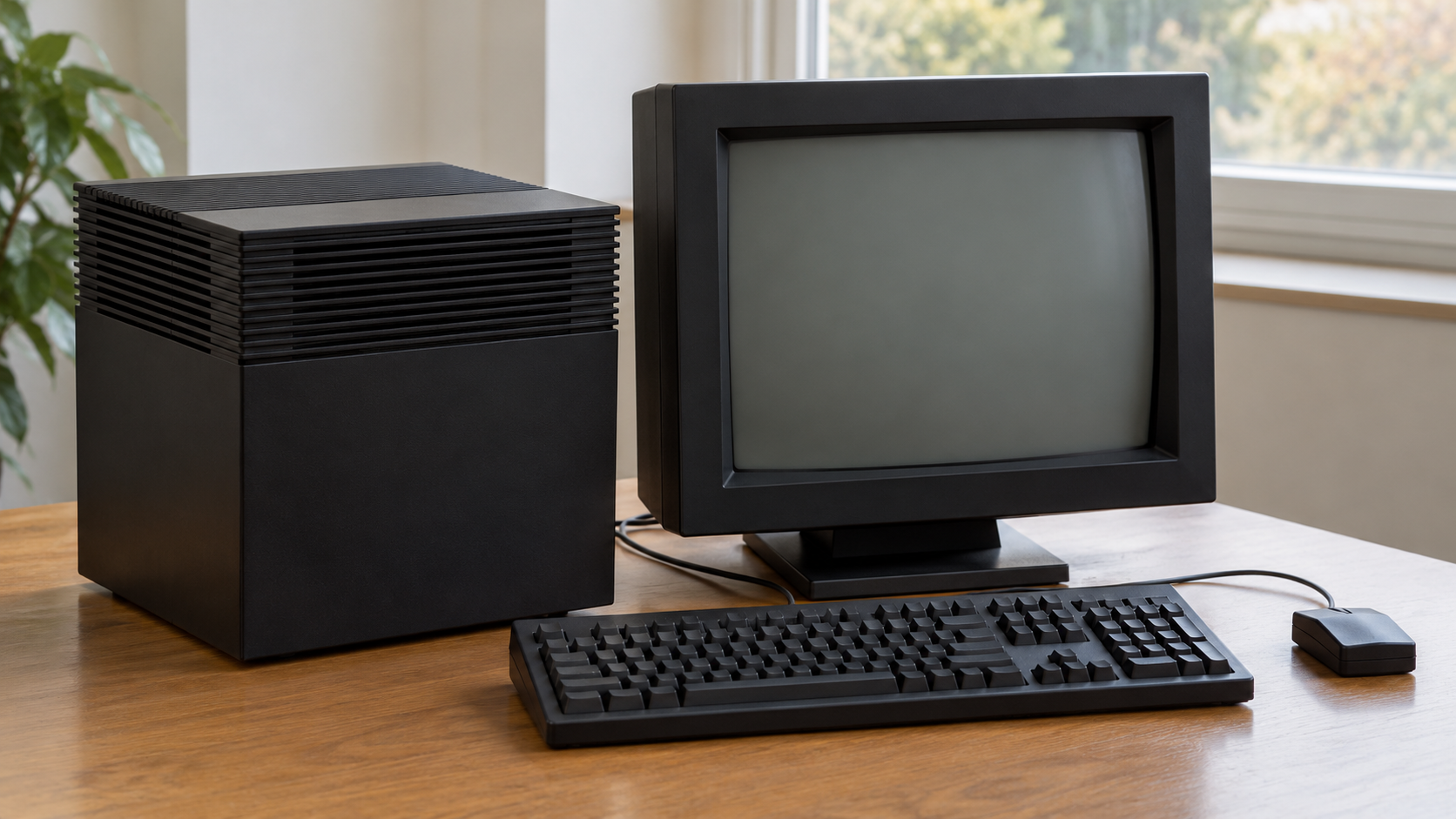
By the end of 1990, Berners-Lee had developed an initial browser and server on a NeXT computer at CERN. Access beyond the laboratory and the rapid growth associated with later browsers came afterward. The eventual Web also depended on common addressing, communication rules, document formats, and decisions that allowed others to implement and use them. November 12 marks a documented planning milestone within that longer development. Its enduring technological importance is the separation between a shared way to reference information and the many machines on which that information could reside. The proposal translated a research institution’s everyday coordination problem into an architecture others could extend, while recognizing that usable software needed phased implementation, resources, and experience with actual readers as well as a compelling concept.
The November proposal followed Berners-Lee's 1989 work. Cailliau helped formalize the project and its resource requirements.
The memorandum is dated November 12, 1990. It proposed an implementation program rather than announcing a finished worldwide service.
Browsers would follow references and servers would supply information. Links could connect material on different machines.
The proposal prioritized practical text access and phased development. It did not aim to invent the underlying Internet or immediately provide elaborate multimedia.
An initial browser and server were working by the end of 1990. Wider access and later graphical browsers belong to subsequent stages.
The architecture allowed diverse systems to participate through common conventions. Staffing, support, and experience with real information needs were also essential.
Explore more of "On This Day ..."
Discover more events from the same date across news, politics, technology, sports, and other fields. Each link highlights significant moments that shaped history on different fronts.