

On This Day in Lifestyles: January 14, 1952
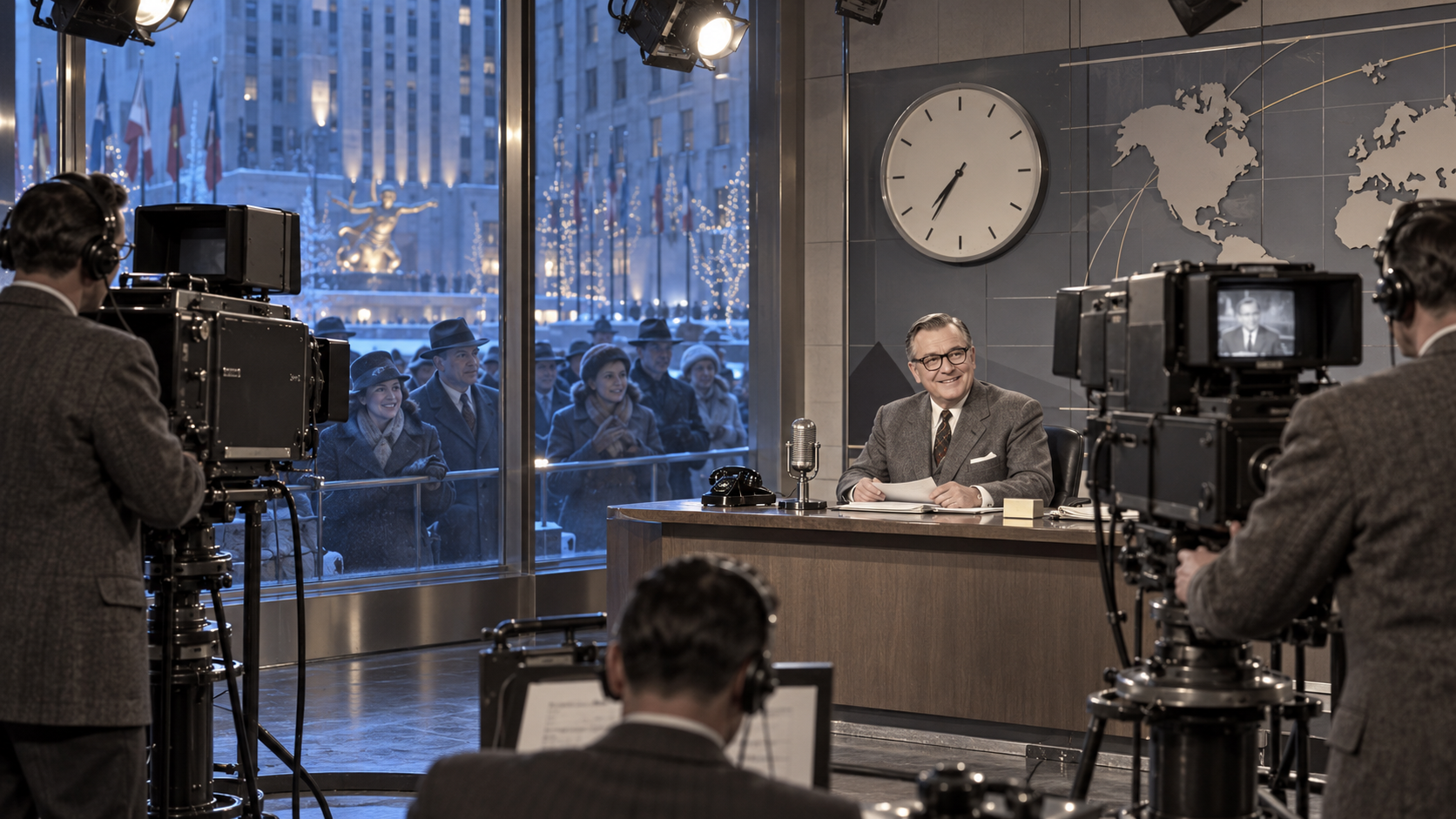
On January 14, 1952, NBC premiered Today with Dave Garroway as its first host. The live program began at seven in the morning from a glass-walled studio in Rockefeller Center, where passersby could look in and television viewers could watch the city wake outside. It mixed headlines, weather, interviews, features, music, conversation, and explanations of how news traveled around the world. Nothing quite like it had occupied the network morning schedule. The format treated breakfast time as a distinct part of the broadcast day and invited television to join the practical routines of dressing, eating, commuting, and preparing a family for the day.
Television ownership was rising rapidly, but the medium was still defining its relationship to radio, newspapers, and home life. NBC executive Sylvester “Pat” Weaver imagined a program that would be useful without feeling formal. Garroway’s relaxed manner helped connect unrelated elements, while cameras and staff were sometimes visible, making the mechanics of live television part of the attraction. The show originally ran for two hours and included serious news alongside lighter material. Its street-level windows turned spectators into scenery and created a feedback loop between the studio, the crowd, and viewers at home.
The program established a durable template. Competing networks developed their own morning shows, and local stations expanded early news, traffic, weather, cooking, consumer guidance, health segments, and celebrity interviews. Sponsors valued a regular audience gathered before work and school. As household schedules changed, morning television became a source of both information and companionship—something people could watch closely during a major event or hear in the background while packing lunches. The balance between journalism and entertainment has always drawn debate, especially when promotion or personality competes with reporting, but that tension was built into the hybrid form from the beginning.
The premiere changed the feel of domestic mornings. Broadcast media no longer waited until evening to become a national gathering place; it could supply the day’s first shared conversation. Later technologies moved morning news from one living-room set to kitchen televisions, car radios, phones, clips, podcasts, and live streams, yet the basic promise remains recognizable: a welcoming guide will organize the world before the viewer steps into it. Today endured because it adjusted to new hosts and habits while preserving that intimate role. Its first broadcast marked the moment the morning show became a daily lifestyle institution rather than a scheduling experiment.
Today premiered live on NBC at seven in the morning with Dave Garroway, becoming the first network early-morning program of its kind.
The glass-front Rockefeller Center studio let pedestrians watch production and appear in the background, linking street life with the home audience.
The program combined news, weather, interviews, music, demonstrations, and conversation rather than separating information from entertainment.
Garroway’s informal delivery and the visible presence of cameras helped early television feel accessible during household routines.
Rival networks and local stations soon built morning schedules around traffic, weather, consumer advice, health, culture, and personality-driven news.
Streaming and mobile clips changed where audiences watch, but the original promise—organizing the day with useful information and friendly company—still shapes the genre.
Explore more of “This Day in Lifestyles”
Discover more moments in everyday life, design, education, travel, food, fashion, and culture. Each story connects a calendar date with an event that changed how people lived.