

On This Day in Business: January 19, 2012
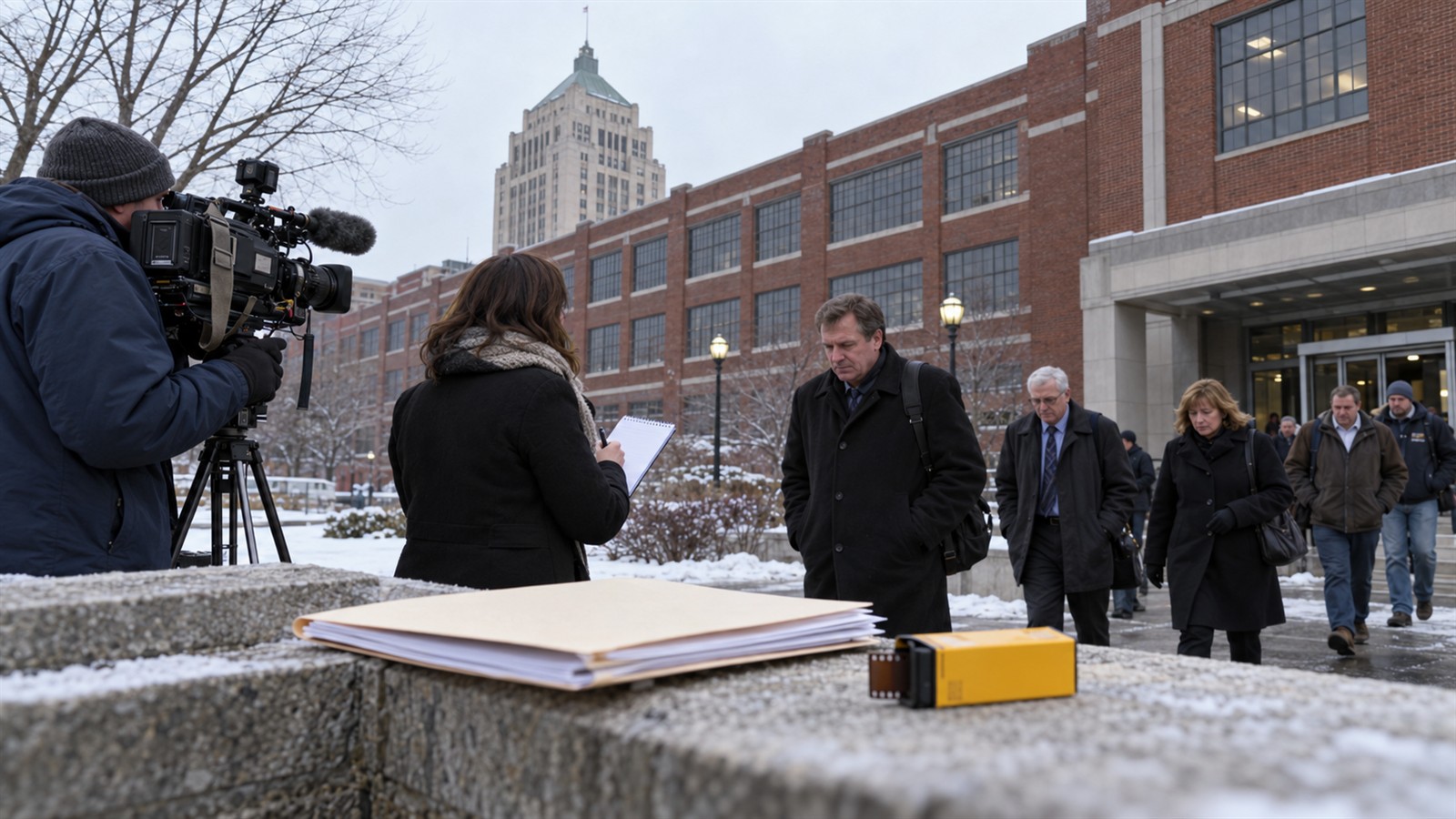
On January 19, 2012, Eastman Kodak Company and its U.S. subsidiaries filed voluntary petitions for Chapter 11 reorganization in federal bankruptcy court in New York. The Rochester-based photography company said its foreign subsidiaries were not included and would continue operating normally. Kodak also announced $950 million in debtor-in-possession financing from Citigroup, subject to court approval, to support operations during a planned 18-month restructuring. The filing gave the once-dominant film manufacturer legal breathing room to address debt, legacy obligations and a business portfolio that had struggled to replace the profits of chemical film and photographic paper.
Kodak's predicament was more complicated than simply failing to notice digital photography. A Kodak engineer built an early digital camera prototype in 1975, and the company invested for years in sensors, cameras and printing. Yet its powerful consumer franchise had been organized around recurring purchases of film, processing chemicals and paper. Digital images eliminated much of that dependable cycle while competition drove down the price of cameras and electronics. Kodak entered new markets, including desktop inkjet printing and commercial imaging, but those businesses did not generate cash quickly enough to offset the collapse of its traditional products and the costs of maintaining a large organization.
Chapter 11 allowed management to keep the business running while seeking court-supervised changes. Kodak said the process would bolster liquidity, monetize non-strategic intellectual property, resolve legacy liabilities and concentrate resources on valuable business lines. Its patent portfolio became a central asset because licensing and potential sales could raise cash. At the same time, employees, retirees, suppliers and the city of Rochester faced uncertainty about jobs and benefits. The filing illustrated how reorganization distributes the consequences of a failed strategy across many stakeholders, even when customers still recognize the brand and operating units continue to sell products.
Kodak emerged from bankruptcy in September 2013 as a smaller company focused largely on commercial printing and imaging rather than the mass consumer film business that made its name. The yellow brand survived, but the economics beneath it had been transformed. January 19 matters because it records the point when a celebrated incumbent formally acknowledged that incremental change had not matched the speed of its market. The filing remains a warning about business-model dependence: inventing or understanding a new technology is not the same as building a profitable organization around it. It also shows the purpose of Chapter 11—to preserve viable operations while ownership, obligations and strategic priorities are rebuilt under court supervision.
Kodak built a global consumer franchise around film, processing chemicals and photographic paper, products that generated recurring purchases for decades.
The company developed digital technology early, but lower-margin electronics and printing failed to replace the cash flow lost as film demand collapsed.
On January 19, 2012, Kodak and its U.S. subsidiaries filed voluntary Chapter 11 petitions in the Southern District of New York.
A proposed $950 million debtor-in-possession loan was intended to fund operations while Kodak reorganized over an expected 18-month period.
The company sought to monetize patents, resolve legacy liabilities and focus on stronger commercial imaging operations while stakeholders faced major uncertainty.
Kodak emerged in 2013 as a smaller commercial technology company, demonstrating that a famous brand can survive even when its original profit engine does not.
Explore more of "On This Day ..."
Discover more events from the same date across news, politics, technology, sports, and other fields. Each link highlights significant moments that shaped history on different fronts.