

On This Day in Tech: December 11, 1998
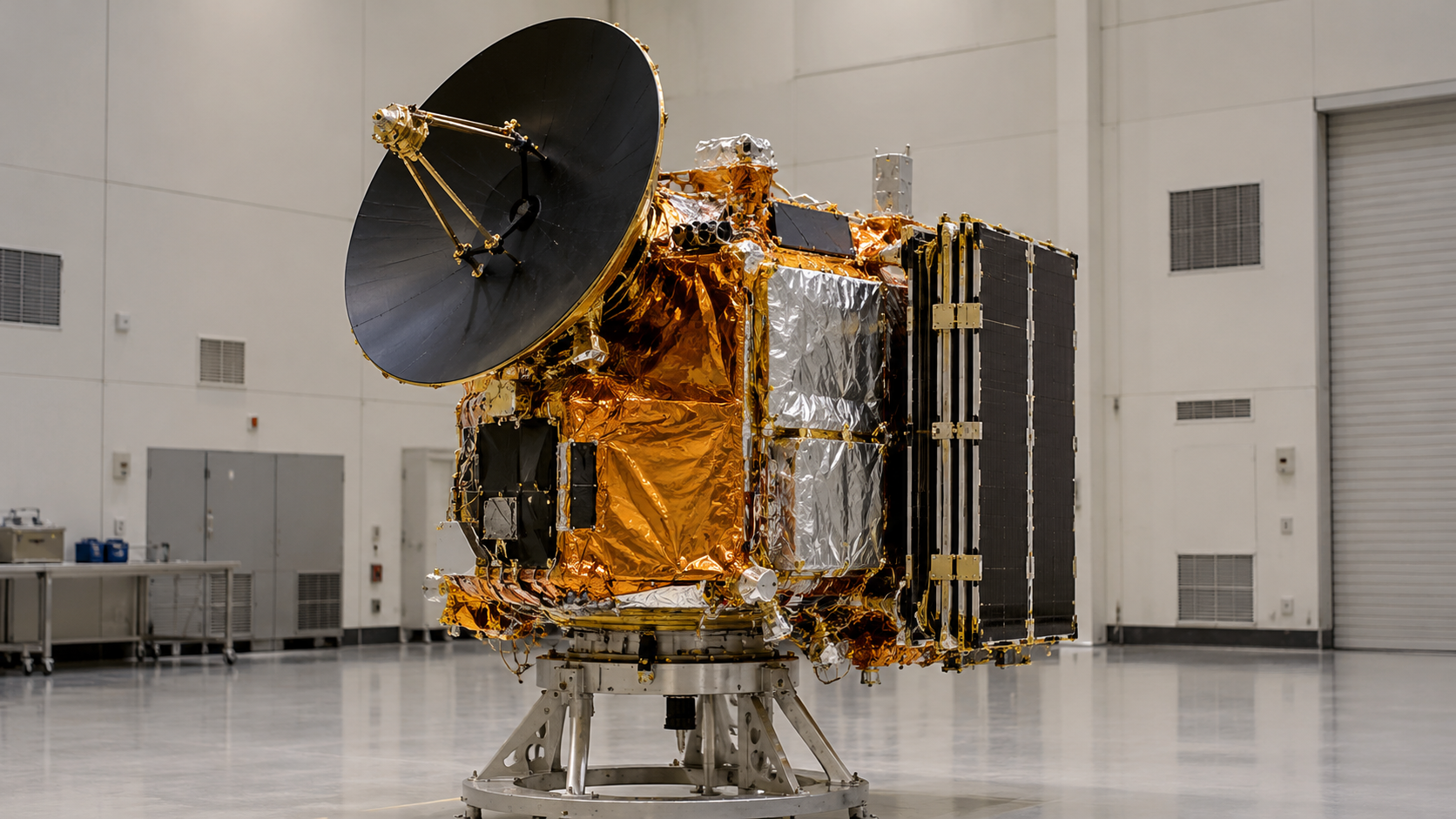
On December 11, 1998, NASA launched Mars Climate Orbiter from Cape Canaveral Air Station in Florida aboard a Delta II rocket. Managed by the Jet Propulsion Laboratory and built with industrial partner Lockheed Martin Astronautics, the uncrewed spacecraft began a journey intended to place it in orbit around Mars. Its planned tasks included studying the atmosphere, observing changes at the surface, and relaying communications for other Mars missions. The launch was successful, but the spacecraft did not complete the mission. It was lost during its attempted arrival in September 1999, a later event that should not be confused with the December departure.
The orbiter belonged to NASA’s Mars Surveyor program, which sought to build a continuing picture of the planet through successive robotic missions. Mars Climate Orbiter carried an atmospheric sounding instrument and a compact camera system. The instruments were intended to examine weather, dust, and the movement of water through the atmosphere, while repeated observations would reveal seasonal patterns. The spacecraft also had to carry the systems that made such measurements usable: solar power, thermal protection, attitude control, propulsion, and radio communications. A launch vehicle could begin the trip, but months of navigation and a carefully executed orbit-insertion maneuver were still necessary.
The spacecraft’s route took it around the Sun toward a planned meeting with Mars rather than directly across a fixed gap between two stationary planets. Mission operations depended on tracking, trajectory estimates, and corrections during the cruise. On September 23, 1999, the spacecraft disappeared during the arrival sequence and was not recovered. Investigators identified a mismatch between English and metric units in information passed between teams. The problem affected navigation calculations and sent the vehicle too close to the planet. Subsequent reviews examined why the error had not been detected through the project’s engineering checks, rather than treating it as a harmless difference in how numbers were written.
The mission therefore left a different legacy from the atmospheric record it was designed to produce. Its loss became a concrete example of why interfaces, documentation, testing, and communication between organizations belong at the center of engineering work. Correct hardware and individually functioning software are insufficient if different parts of a project interpret shared data differently. December 11 marks the beginning of that mission, with the later outcome providing an important limitation on the launch’s success. The anniversary connects the visible achievement of sending a spacecraft away from Earth with the less visible responsibility of maintaining a consistent, verified system throughout the entire flight.
The intended observatory combined atmospheric measurements and imaging. A long-running record from orbit would have supplied a different perspective from a brief flyby or a surface lander.
Lockheed Martin built the spacecraft while JPL managed the mission for NASA. Their work required shared technical information to cross organizational as well as software boundaries.
The December launch placed the spacecraft on its journey. Arrival at Mars and the planned science program were separate milestones still months away.
The later navigation failure involved inconsistent units and failed detection processes. It should not be described as the Delta II rocket missing Mars at liftoff.
The investigation made data interfaces a memorable engineering lesson. Units must be defined, implemented, and checked where information is produced and consumed.
The planned atmospheric mission was not completed. Its continuing educational value comes partly from explaining how teams verify a complete system, not from claiming nonexistent science results.
Explore more of "On This Day ..."
Discover more events from the same date across news, politics, technology, sports, and other fields. Each link highlights significant moments that shaped history on different fronts.