

On This Day in Business: February 8, 1971
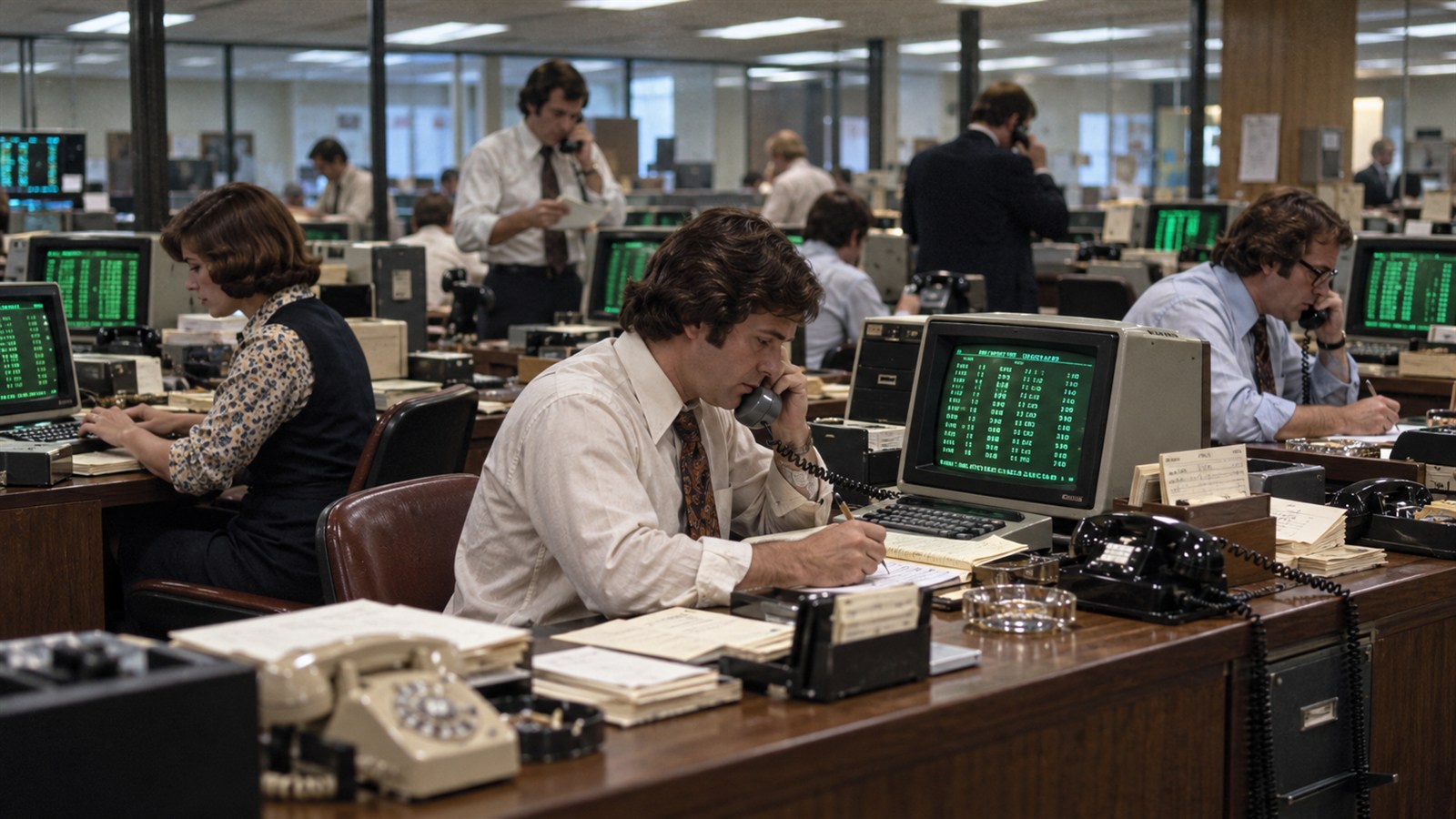
On February 8, 1971, the National Association of Securities Dealers Automated Quotations system began operations. Nasdaq did not open with a traditional trading floor, ringing bell or crowd of specialists. It connected broker-dealers through computer terminals that displayed quotations for more than 2,500 over-the-counter securities. Before the system, dealers often gathered prices through telephone calls and paper records, a fragmented process that made comparison slow and spreads difficult to evaluate. A common electronic display gave market participants a faster view of competing bids and offers.
The first Nasdaq system was a quotation network, not the fully automated exchange familiar today. Dealers still negotiated and completed many trades by telephone, and the terminals did not automatically match customer orders. Even so, publishing prices more broadly altered incentives. A broker could compare dealers before routing business, and regulators could see a more organized market. The Securities and Exchange Commission had encouraged automation after studying problems in the over-the-counter market, and the NASD built the system as a practical way to improve transparency without recreating a physical exchange floor.
Technology companies found a natural home in the evolving market. Nasdaq's dealer structure and listing path accommodated many young firms that did not yet fit the profile of older exchanges. As personal computers, telecommunications and software industries grew, listings such as Apple, Microsoft and Intel made Nasdaq increasingly associated with innovation and growth investing. The organization added trade reporting, electronic execution and more sophisticated order systems over time, eventually becoming a registered national securities exchange. Competition among venues also pushed the broader market toward faster, cheaper and more automated trading.
The February launch matters because it separated the idea of a securities market from a single physical place. Nasdaq began by digitizing information, then expanded deeper into execution and market infrastructure as participants learned to trust the network. That sequence is common in platform development: standardize data first, attract users through visibility and layer transactions onto the shared system. Electronic markets later created new risks, including extreme speed, complex routing and technology failures, but they also widened price access and lowered many trading costs. The green-screen quotation terminals of 1971 were modest, yet they established a business model in which connectivity and organized information could become an exchange's central asset. Because the first system displayed information without completing every transaction, adoption did not require the market to change all at once. Participants could keep familiar telephone practices while gaining a shared electronic view, lowering the behavioral risk of the transition.
Over-the-counter dealers relied heavily on telephone calls and separate records, making it difficult for brokers to compare quotations quickly.
The NASD built a computer network after regulators called for greater organization and transparency in the decentralized securities market.
On February 8, 1971, Nasdaq terminals began displaying competing quotations for more than 2,500 over-the-counter stocks.
Early users still negotiated trades by telephone, but shared electronic prices improved comparison and changed how dealers competed for orders.
Growing technology companies later made Nasdaq a prominent listing venue as the system added reporting, execution and automated order features.
The network helped prove that a major securities market could be built around connected information systems rather than a crowded physical floor.
Explore more of "On This Day ..."
Discover more events from the same date across news, politics, technology, sports, and other fields. Each link highlights significant moments that shaped history on different fronts.