

On This Day in Business: February 22, 1879
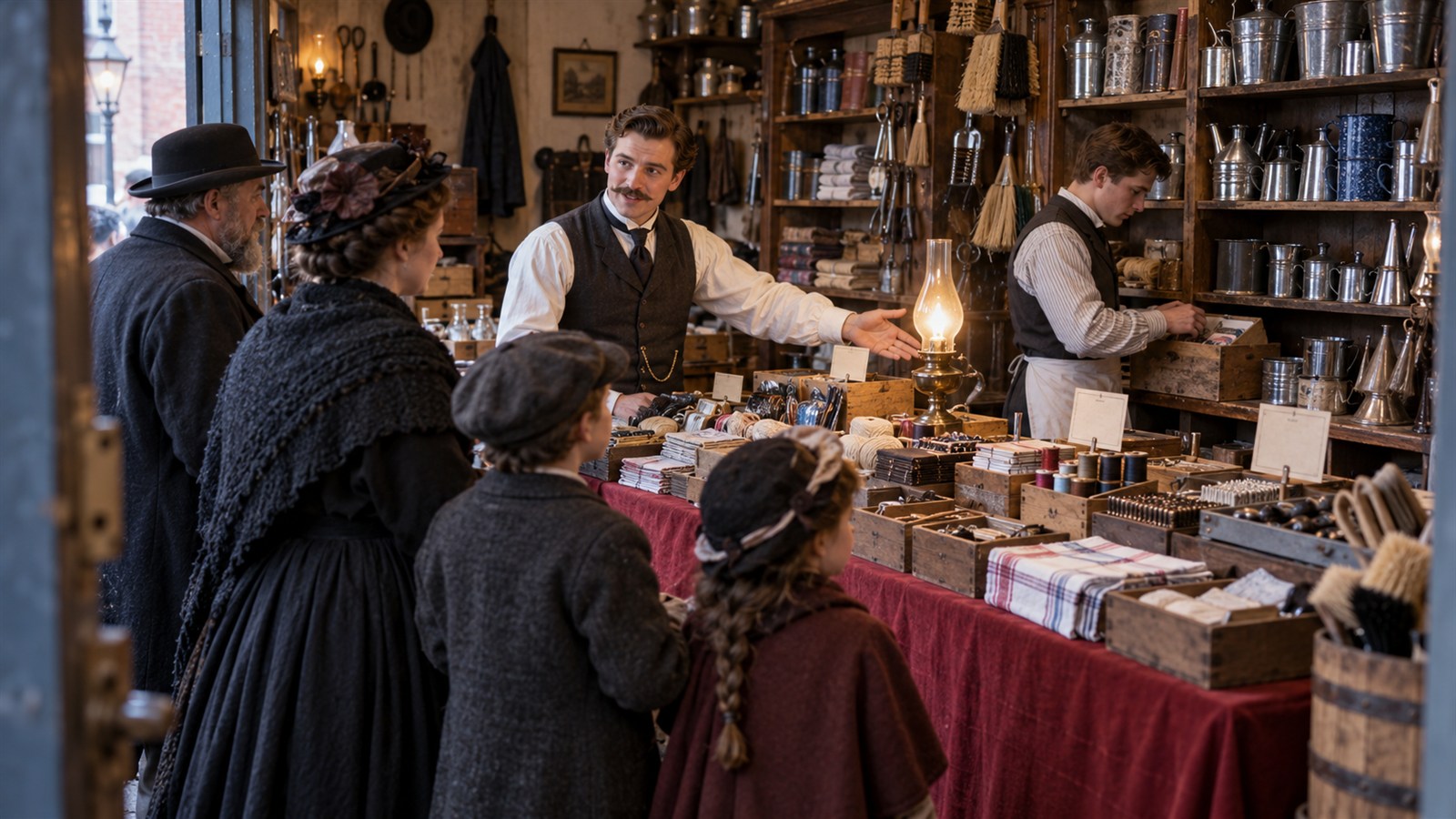
On February 22, 1879, Frank Winfield Woolworth opened a small store in Utica, New York, offering merchandise at a fixed price of five cents. Woolworth had seen customers crowd around a five-cent bargain table while working for dry-goods merchant William Moore in Watertown. Moore supplied about $300 in merchandise for the experiment, and Woolworth rented a narrow back-street room. Improvised counters, simple signs and openly displayed prices made the idea easy to understand: shoppers did not need to ask a clerk how much an item cost or bargain for a better deal.
The first store was initially busy but failed within a few months. Woolworth concluded that the location lacked sufficient traffic and that a single price limited the assortment. Instead of abandoning the concept, he treated Utica as a test. On June 21 he opened another store in Lancaster, Pennsylvania, on a better commercial street. The Lancaster operation succeeded, and later stores added ten-cent merchandise, creating the familiar five-and-dime format. The failed launch supplied practical rules about site selection, product mix, supplier trust and the need to close weak locations quickly.
Woolworth and a group of relatives and former coworkers expanded through a network sometimes described as friendly rivals. They operated separate chains but coordinated buying, gaining volume discounts from manufacturers and reducing reliance on wholesalers. Fixed prices sped transactions, while cash sales and rapid inventory turnover supported low margins. Standard displays made stores recognizable, yet local managers could adapt assortments. In 1912, hundreds of affiliated stores were consolidated into the F. W. Woolworth Company, and the chain later expanded internationally.
February 22 matters because the Utica opening shows that a failed store can still validate a business mechanism. The first location did not endure, but customers responded to transparent prices and inexpensive factory-made goods. Woolworth separated that useful signal from the mistakes in site and assortment, then tried again. The model anticipated modern value retail: purchasing scale, standardized presentation, high turnover and price points simple enough to become part of the brand. Woolworth's eventual decline does not erase the innovation. The early experiment helped move retail away from clerk-controlled pricing toward visible self-selection and trained generations of shoppers to expect that a store's price promise could be understood before they entered. The experiment also transferred pricing power from the clerk to the display. That change reduced the information gap between shopper and seller, accelerated browsing and made the low-price promise visible even when the proprietor was occupied with another customer.
Frank Woolworth learned from a popular five-cent bargain table that transparent low prices could attract customers who disliked bargaining or asking clerks.
Employer William Moore supplied merchandise, allowing Woolworth to test the idea with limited capital in a narrow Utica storefront.
On February 22, 1879, the Great Five Cent Store opened with simple displays, fixed prices and a selection of inexpensive household goods.
The location failed within months, but Woolworth used the result to improve site selection and expand the assortment at a successful Lancaster store.
Coordinated buying among related chains increased purchasing power, reduced unit costs and supported rapid expansion of the five-and-dime format.
Visible prices, standard displays and fast inventory turnover became foundations of mass value retail long after the original chain disappeared.
Explore more of "On This Day ..."
Discover more events from the same date across news, politics, technology, sports, and other fields. Each link highlights significant moments that shaped history on different fronts.