

On This Day in Lifestyles: February 12, 1909
On February 12, 1909, the centennial of Abraham Lincoln’s birth, reformers issued the call that led to the founding of the National Association for the Advancement of Colored People. Black leaders and white allies joined in response to lynching, disfranchisement, segregation, and racist violence. Their organization aimed to combine investigation, publicity, legal action, and national coordination. The occasion became memorable because a large historical shift took a form people could see and feel. It joined public significance with an ordinary action, turning an abstract change into a shared experience that could be described at dinner tables and remembered later.
The immediate background included the 1908 Springfield, Illinois, race riot, which exposed the brutality of white mob violence in a city associated with Lincoln. Activists such as W. E. B. Du Bois, Ida B. Wells-Barnett, Mary White Ovington, and many others brought experience from journalism, scholarship, women’s organizing, anti-lynching work, and the Niagara Movement. Their coalition was imperfect but strategically durable. Seen against its background, the moment was the product of sustained work rather than sudden inspiration. Earlier advocates, craftspeople, researchers, performers, organizers, or users supplied the knowledge and pressure that allowed the event to happen when it did.
The association’s work entered everyday life through court cases, branch meetings, membership drives, newspapers, youth programs, and campaigns against discriminatory rules. The Crisis, edited for years by Du Bois, joined political argument with literature, art, and reporting. Local members translated national goals into pressure on schools, employers, police, lawmakers, and public accommodations, often at substantial personal risk. Its first effects unfolded through details: schedules, rooms, tools, printed pages, broadcasts, conversation, and the movement of bodies through new routines. Those details show how history enters life—not as a slogan, but as hundreds of small adjustments made by real people.
Across the twentieth century, the NAACP became central to battles over voting, education, housing, employment, and criminal justice, including landmark litigation against school segregation. Its history also contains internal debate about leadership, tactics, class, gender, and relationships with other movements. The 1909 founding matters because it built lasting national infrastructure for turning outrage into research, cases, organizing, and policy change. Later generations inherited both the achievement and its unresolved tensions. The event helped establish a durable practice or institution, yet its meaning continues to evolve as society asks harder questions about inclusion, power, environmental cost, memory, and cultural ownership. The anniversary also reminds us that everyday life is where large historical forces become personal, repeated, debated, and ultimately durable.
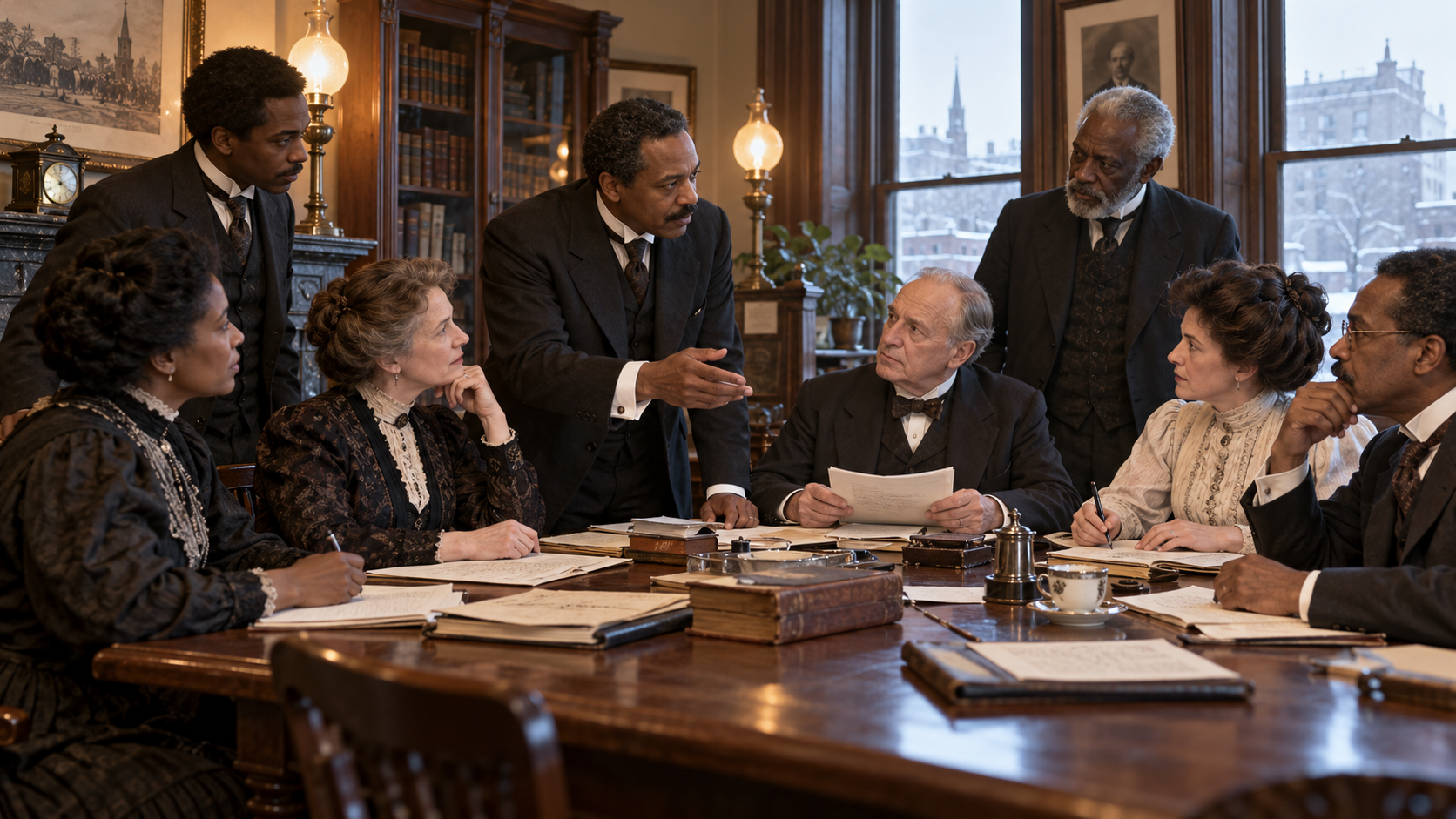
A national call brought reformers together in the campaign that became the NAACP.
This detail helps place the anniversary in its original setting.
Lynching, segregation, disfranchisement, and racist violence demanded coordinated legal, political, and public action.
The wider context explains why the moment drew public attention.
National litigation and publications were reinforced by local branches, investigations, membership campaigns, and community pressure.
Its legacy remains visible in contemporary culture and everyday life.
Explore more of “This Day in Lifestyles”
Discover more moments in everyday life, design, education, travel, food, fashion, and culture. Each story connects a calendar date with an event that changed how people lived.