

On This Day in Lifestyles: February 23, 1905
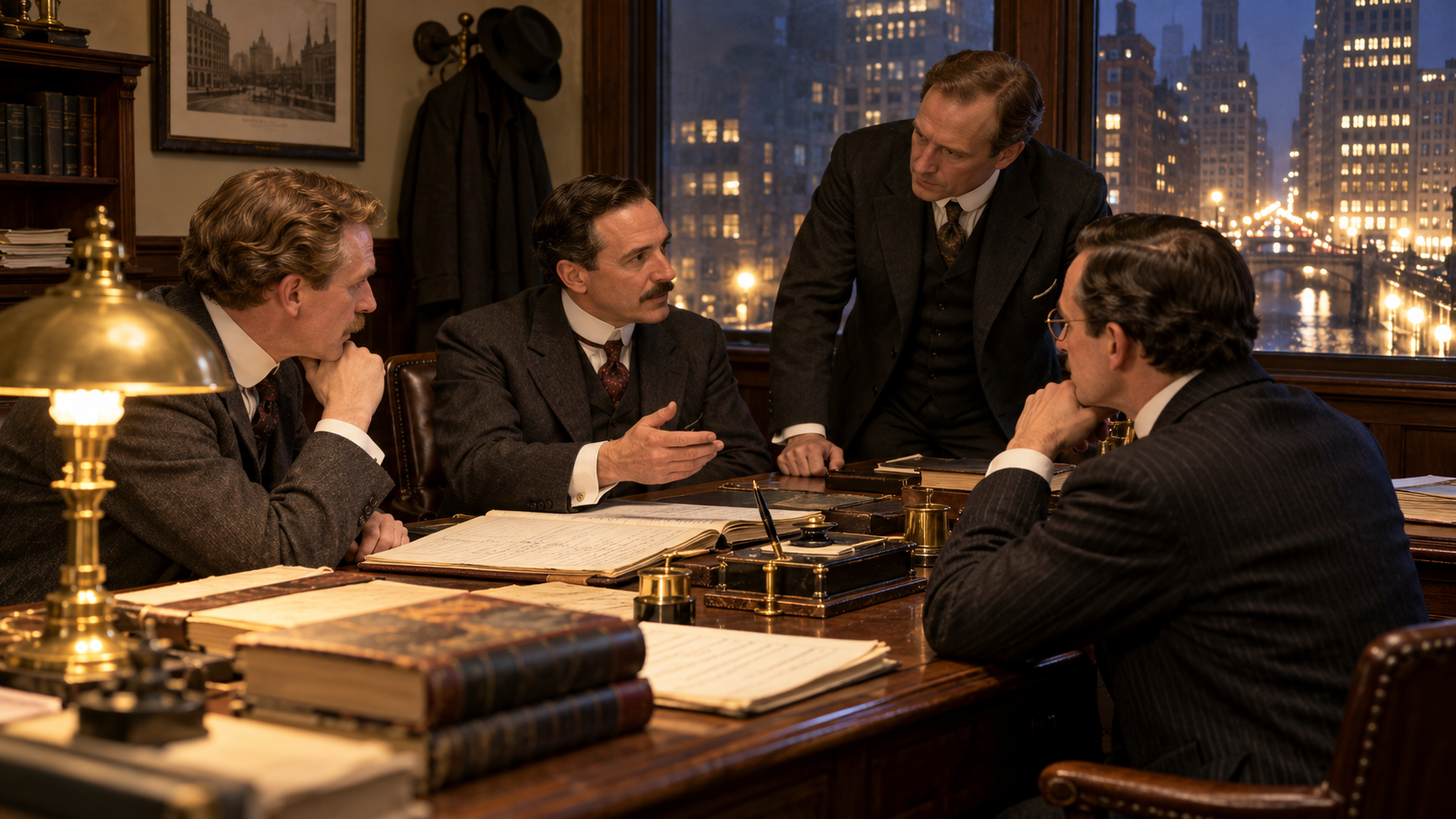
On February 23, 1905, attorney Paul Harris met with three other professionals in a Chicago office for what became the first Rotary meeting. Harris wanted fellowship among businesspeople who might recreate some of the neighborly trust he associated with smaller communities. The group rotated meetings among members’ workplaces, a practice that supplied the organization’s name and encouraged mutual understanding. What happened that day brought a long-developing idea into public view. The headline was important, but so was the experience around it: people could finally enter, read, watch, use, or discuss a change that previously belonged mostly to plans and specialists.
Rapid urban growth brought opportunity but could also make professional life anonymous and transactional. Clubs, lodges, churches, unions, and associations offered belonging outside home and work. Rotary joined that associational world with an emphasis on business fellowship, ethical conduct, and later community service. Early membership practices reflected the era’s gender, racial, religious, and professional exclusions, many of which changed only after sustained pressure. The background reveals how social need, technology, commerce, and imagination had gradually converged. No milestone appears from nowhere; it depends on earlier experiments, patient labor, institutions willing to invest, and audiences prepared to make the new development meaningful.
The meeting format made relationships routine. Members shared meals, discussed civic needs, introduced one another’s trades, and organized projects. Chapters spread to other cities and countries, creating networks that could mobilize money, volunteer labor, and local knowledge. Service activities ranged from neighborhood improvements and youth programs to health campaigns, while ceremonies, badges, and recurring meetings reinforced a common identity. Contemporaries experienced both promise and friction. New systems rarely fit existing routines perfectly, so users and organizers learned through practice. Publicity amplified the breakthrough, but personal encounters—curiosity, inconvenience, pride, resistance, or delight—gave it emotional force.
Rotary International grew into a global service organization known especially for its long campaign against polio. Like many civic clubs, it has had to adapt to changing work patterns, expectations of inclusion, and new forms of volunteering. The 1905 meeting shows how a small social gathering can become durable public infrastructure when fellowship is connected to organized, repeated service. The anniversary endures because the underlying questions remain current. Who gets to participate, what values a system expresses, and how change reshapes relationships are not settled once. The historical moment offers a clear starting point for understanding choices still visible today. The anniversary also reminds us that everyday life is where large historical forces become personal, repeated, debated, and ultimately durable.
Paul Harris and three other Chicago professionals gathered in an office on February 23, 1905.
This detail helps place the anniversary in its original setting.
Early meetings rotated among members’ workplaces, helping participants learn about one another’s professions.
The wider context explains why the moment drew public attention.
It grew into an international service network supporting local projects and major public-health campaigns.
Its legacy remains visible in contemporary culture and everyday life.
Explore more of “This Day in Lifestyles”
Discover more moments in everyday life, design, education, travel, food, fashion, and culture. Each story connects a calendar date with an event that changed how people lived.