

On This Day in Business: March 24, 1989
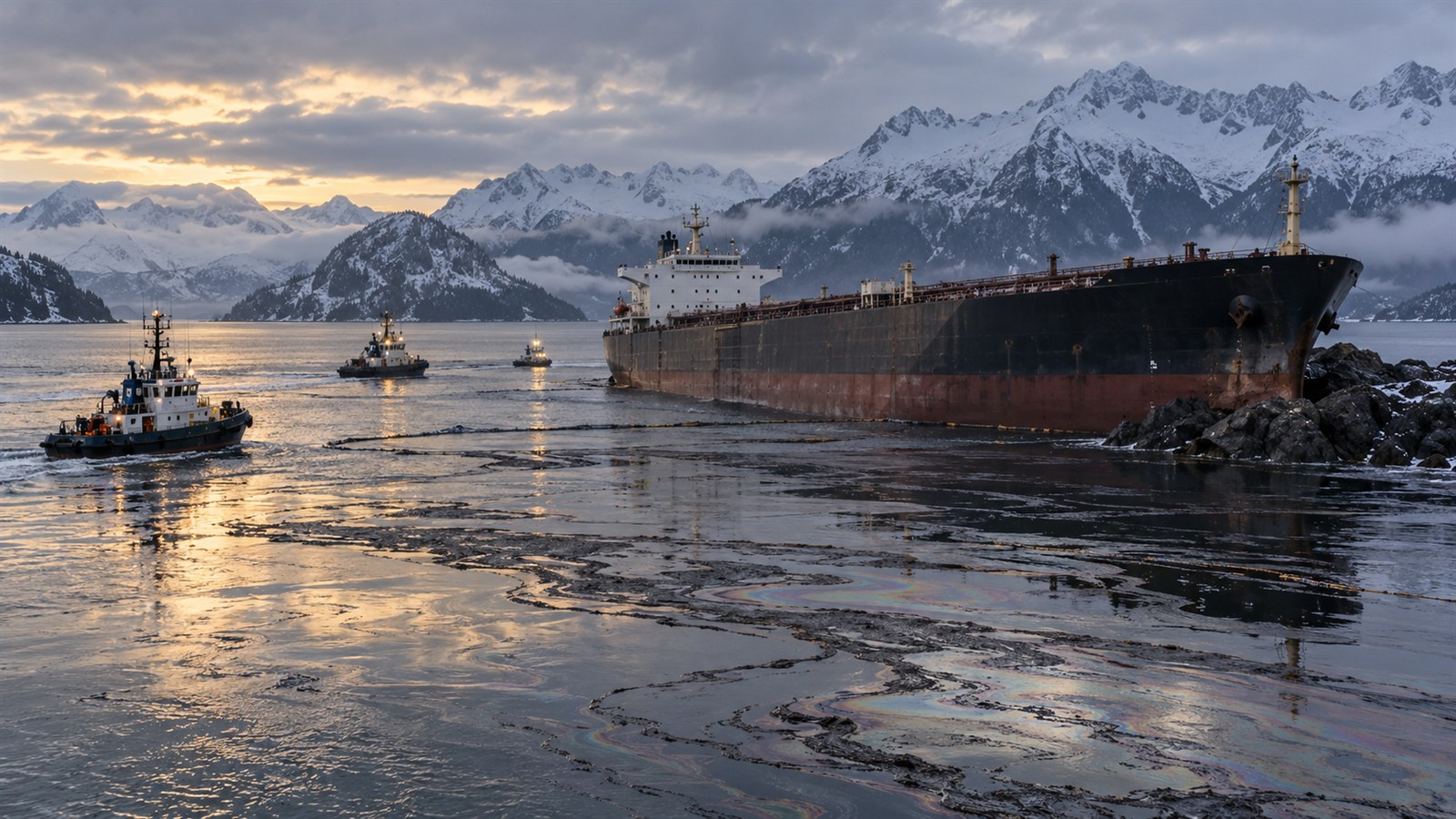
On March 24, 1989, the tanker Exxon Valdez ran aground on Bligh Reef in Alaska's Prince William Sound. The damaged vessel released millions of gallons of crude oil into cold coastal waters, contaminating shorelines and harming wildlife, fisheries, and communities. The spill became one of the most visible environmental disasters associated with a corporation. Its consequences extended far beyond the ship and cargo, exposing weaknesses in navigation, oversight, emergency preparation, communication, and the systems responsible for transporting oil through a sensitive region.
The immediate response was hindered by location, weather, limited equipment, and confusion over responsibility. Containment and cleanup mobilized thousands of workers, vessels, aircraft, and contractors, but oil spread faster than early operations could control it. Decisions made before the voyage—staffing, fatigue management, traffic monitoring, equipment readiness, and contingency planning—shaped what was possible after impact. The crisis showed that low-probability failures can produce costs far larger than savings gained by operating with thin safeguards.
Exxon faced cleanup expenses, litigation, penalties, reputational damage, and decades of public scrutiny. Congress passed the Oil Pollution Act of 1990, strengthening liability and response requirements and accelerating the move toward double-hulled tankers in U.S. waters. Scientists and affected communities continued to study ecological and economic damage long after beaches appeared cleaner. The event also influenced corporate approaches to environmental risk, emergency command, contractor coordination, and stakeholder communication, though later spills proved that learning is neither automatic nor permanent.
The grounding is a sobering business case in operational responsibility. Energy supply chains create broad economic value, but firms remain accountable for risks imposed on workers, communities, and ecosystems. Insurance and legal reserves cannot restore every loss, and a crisis response cannot fully compensate for weak prevention. Respectful analysis centers the people and environments affected rather than treating the disaster as a branding problem. March 24, 1989, demonstrated that safety culture, redundant controls, and credible preparedness are core business systems—especially when one failure can escape the boundaries of the firm. Boards also learned that environmental exposure can be financially material even when it does not appear in ordinary operating ratios. A spill can interrupt supply, provoke regulation, change insurance terms, damage relationships, and create liabilities that develop for years. Measuring only average performance hides the tail risk of catastrophe. Responsible corporate governance asks who owns that risk, how independent safety information reaches senior decision-makers, and whether incentives reward prevention before a disaster makes its value obvious.
The Valdez terminal moved Alaskan crude through a narrow, environmentally sensitive marine route that demanded disciplined navigation and emergency readiness.
Organizational, human, monitoring, and preparedness failures combined with the tanker striking Bligh Reef shortly after midnight.
Oil released on March 24 spread across Prince William Sound, damaging wildlife, fisheries, shorelines, livelihoods, and community well-being.
Remote conditions and inadequate early response capacity made containment difficult, while cleanup could not reverse every ecological consequence.
The disaster produced enormous corporate costs and helped drive the Oil Pollution Act, stronger response planning, and double-hull requirements.
Its lasting lesson is that prevention, safety culture, and stakeholder protection must be designed into operations before a crisis begins.
Explore more of "On This Day ..."
Discover more events from the same date across news, politics, technology, sports, and other fields. Each link highlights significant moments that shaped history on different fronts.