

On This Day in Health: October 29, 2006
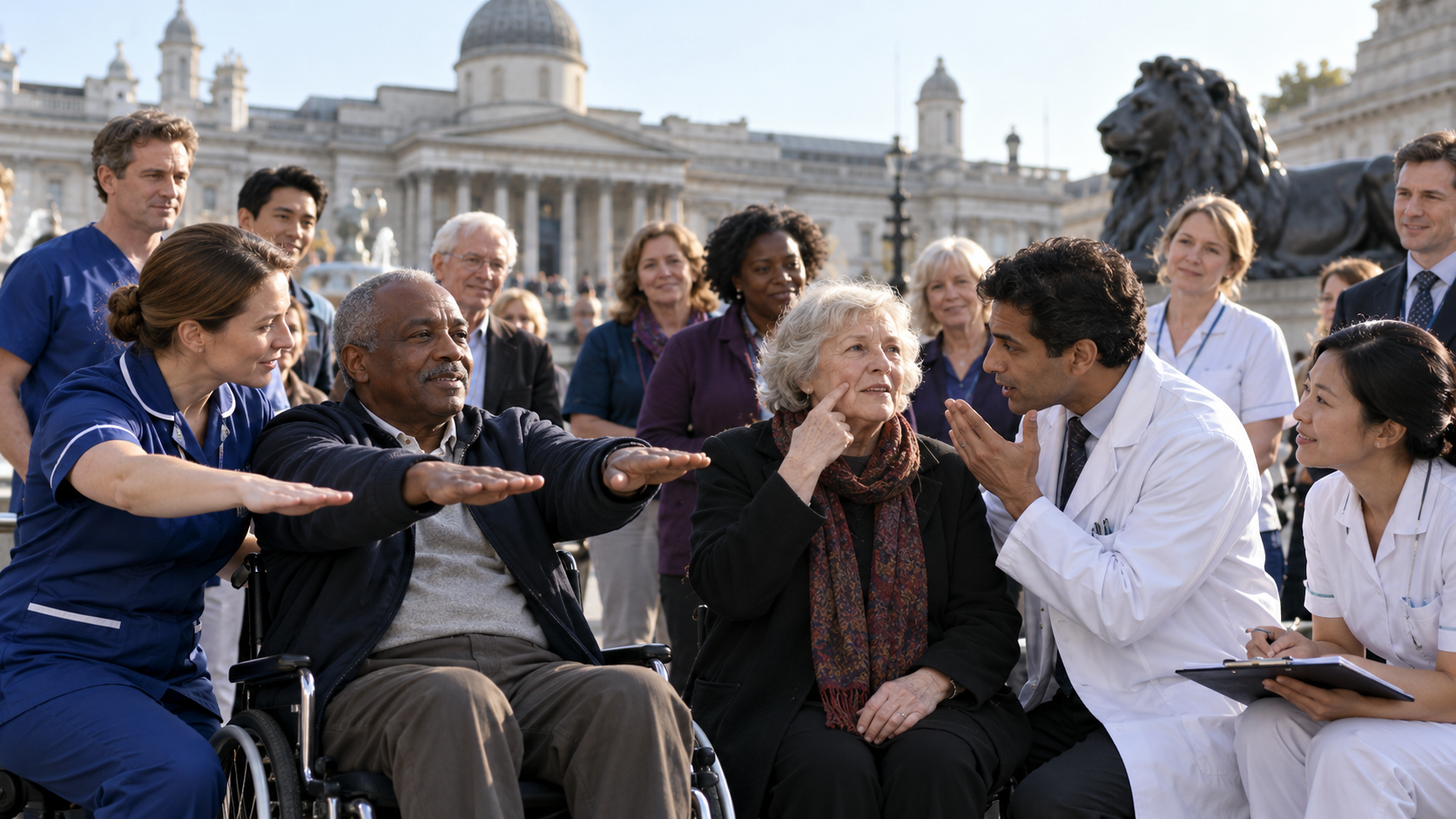
On October 29, 2006, the World Stroke Organization established World Stroke Day as an annual global campaign focused on the burden, warning signs, prevention, treatment, and consequences of stroke. This date matters because it fixes a broad medical story to a specific moment, place, and group of people. It also shows how health history is shaped by institutions and practical choices as well as laboratory discoveries.
The background was already developing before that day. Stroke was already a leading cause of death and long-term disability, but awareness of symptoms and the need for emergency treatment remained uneven. Access to stroke units, brain imaging, thrombolysis, rehabilitation, and prevention varied sharply among and within countries. Those conditions defined what participants could attempt and what patients or communities could reasonably expect. The available tools, social expectations, and professional structures all shaped the result. Change also depended on cooperation among people whose roles were not always recorded equally. They also explain why later accounts sometimes compress years of preparation into a single anniversary. Looking at that preparation keeps credit broad and makes the turning point easier to understand without turning it into a miracle story.
What happened on the date was consequential but limited. Organizations used October 29 to coordinate public messages, professional education, policy advocacy, and survivor voices. Campaigns emphasized that sudden facial weakness, arm weakness, or speech difficulty requires immediate emergency action. A slogan cannot diagnose every stroke, and symptoms such as balance or visual loss may be missed by simplified tools. Rapid recognition matters only when emergency transport, imaging, trained teams, treatment, and rehabilitation are available. The distinction is important: the event did not instantly solve the underlying health problem, and later progress depended on follow-up research, training, policy, funding, and public trust. Contemporary evidence also helps separate what participants knew then from interpretations added after the result became famous.
Its longer legacy reaches beyond the original setting. The date created a recurring platform for prevention and for the idea that recovery support, communication, mobility, cognition, and participation are part of stroke care rather than afterthoughts. Current work links blood-pressure control, tobacco reduction, atrial-fibrillation care, acute treatment, organized stroke units, and long-term rehabilitation while pressing governments to close large access gaps. Seen in context, the anniversary is useful because it connects a concrete historical episode with continuing questions about evidence, access, safety, and responsibility in health care. That connection is stronger when the people affected, the limits of the achievement, and the work still unfinished remain part of the account.
Organizations used October 29 to coordinate public messages, professional education, policy advocacy, and survivor voices. Campaigns emphasized that sudden facial weakness, arm weakness, or speech difficulty requires immediate emergency action.
A slogan cannot diagnose every stroke, and symptoms such as balance or visual loss may be missed by simplified tools. Rapid recognition matters only when emergency transport, imaging, trained teams, treatment, and rehabilitation are available.
The date created a recurring platform for prevention and for the idea that recovery support, communication, mobility, cognition, and participation are part of stroke care rather than afterthoughts.
Stroke was already a leading cause of death and long-term disability, but awareness of symptoms and the need for emergency treatment remained uneven. Access to stroke units, brain imaging, thrombolysis, rehabilitation, and prevention varied sharply among and within countries.
the World Stroke Organization established World Stroke Day as an annual global campaign focused on the burden, warning signs, prevention, treatment, and consequences of stroke.
Current work links blood-pressure control, tobacco reduction, atrial-fibrillation care, acute treatment, organized stroke units, and long-term rehabilitation while pressing governments to close large access gaps.
Explore more of "On This Day ..."
Discover more events from the same date across news, politics, technology, sports, and other fields. Each link highlights significant moments that shaped history on different fronts.