

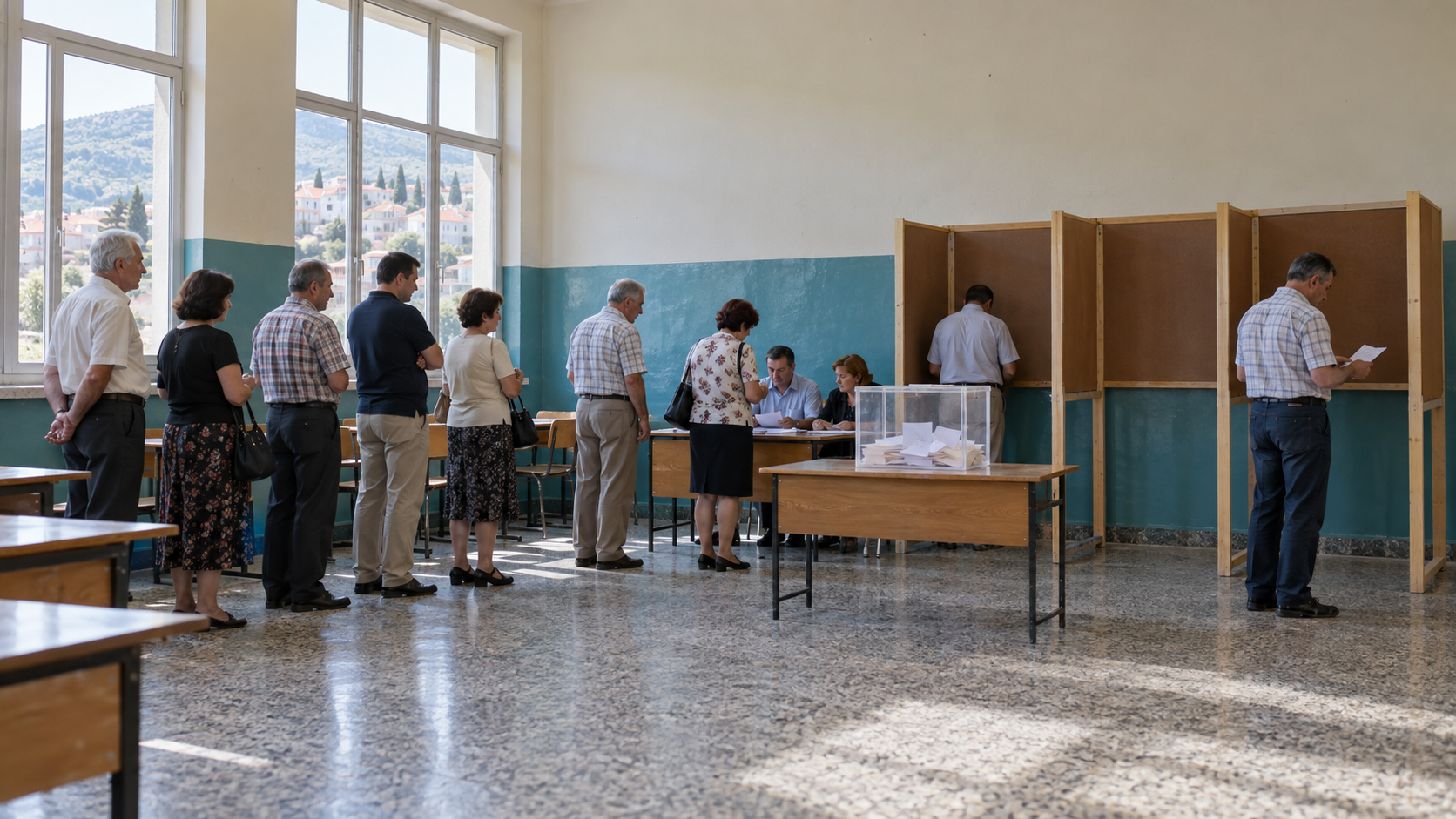
On This Day in Politics: May 21, 2006
On May 21, 2006, voters in Montenegro took part in a referendum on whether their republic should become an independent state. The final count gave independence 55.5 percent of valid votes, just above the special 55 percent threshold required for approval. Turnout reached about 86.5 percent, showing how widely the question engaged the electorate. The result set Montenegro on a path out of its state union with Serbia. The vote itself was followed by the announcement of final results and a parliamentary declaration, so May 21 marks the popular decision rather than the completion of every legal and diplomatic step toward independence.
The referendum rules made the margin especially important. Independence needed more than a simple majority, and at least half of registered voters had to participate. Supporters of independence and supporters of the union competed within a framework designed to give both options a place in administering the contest. The outcome therefore depended on both the direction of the vote and the level of support it reached. Final results were announced on May 31, and parliament declared independence on June 3. Keeping those dates separate helps explain how a single day of voting became a sequence of constitutional decisions that changed the status of the country.
International observers described the referendum as broadly consistent with democratic standards and as a genuine opportunity for citizens to decide their future. The observation mission included about 365 observers from 35 countries. Its assessment praised the peaceful process, competitive campaign, and generally positive conduct of voting and counting. It also recorded shortcomings, including instances of group voting, difficulties with marking voters’ fingers, and concerns about media partiality. Observers drew attention to limited accessibility for some older and disabled voters and to women’s under-representation on polling boards. Those findings matter because a successful constitutional decision does not mean every part of the electoral process was flawless.
Independence brought new international responsibilities as well as a new national status. Montenegro took its seat as the OSCE’s fifty-sixth participating state on June 22, after the decision admitting it came into effect the previous day. Serbia continued in the organization as the successor to the dissolved union, while the two countries began conducting relations as separate states. Representatives emphasized cooperation and the importance of maintaining connections between their citizens. The referendum is remembered for allowing a deeply consequential political choice to proceed through ballots and institutions. Its lasting significance lies in both the change of statehood and the practical work of recognition, representation, and neighborly relations that followed the result.
Voters decided Montenegro’s future state status on May 21, 2006.
Independence required 55 percent of valid votes and turnout above half the electorate.
The final result was 55.5 percent in favor, with turnout around 86.5 percent.
International observers praised the overall process while identifying specific shortcomings.
Parliament declared independence on June 3, following the final count.
Montenegro took its own seat at the OSCE on June 22.
Explore more of "On This Day ..."
Discover more events from the same date across news, politics, technology, sports, and other fields. Each link highlights significant moments that shaped history on different fronts.