

On This Day in Politics: May 24, 1993
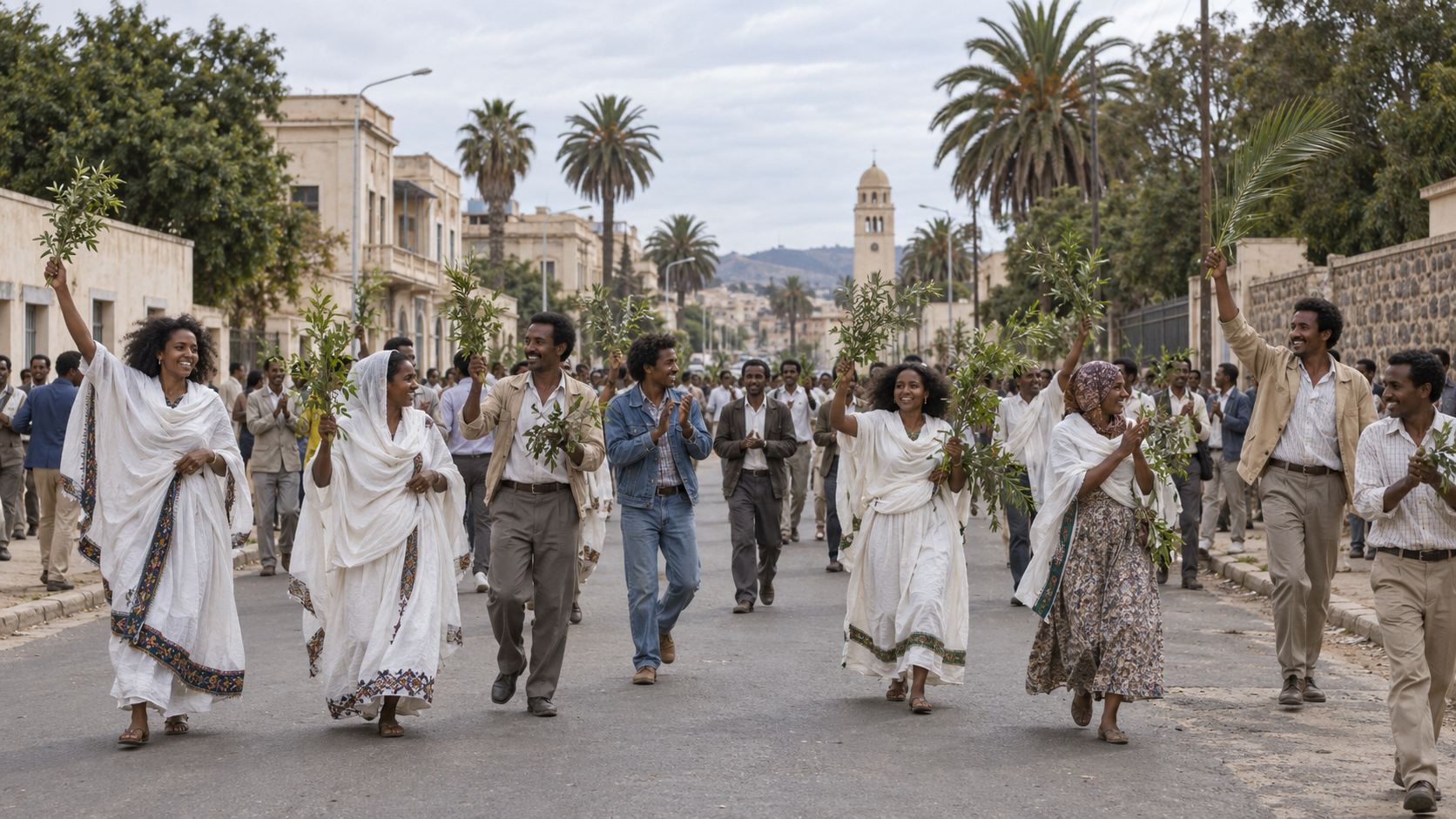
On May 24, 1993, Eritrea formally marked its independence from Ethiopia, following an overwhelming vote for separation in an April referendum. The date brought international statehood into public focus after a long armed struggle and two years of provisional administration. It also fell on the anniversary of the Eritrean People’s Liberation Front’s entry into Asmara in 1991, the military turning point that had placed the territory under its control. Independence was therefore a process with several milestones. The referendum, recognition by other countries, the formal May observance, and admission to the United Nations each represented a different part of the transition.
The April vote supplied a clear popular mandate for a separate state. Held from April 23 to 25, it was observed by the United Nations mission known as UNOVER, whose responsibilities included checking registration, campaigning, polling, and the count. The reported result was about 99.8 percent in favor of independence. Both the Eritrean provisional authorities and Ethiopia’s transitional government had committed themselves to respecting the outcome. That agreement gave the vote a practical route to recognition. The United Nations described the process as orderly and well organized, an important distinction after years in which the territory’s political future had been contested through war.
Diplomatic recognition did not wait for the May ceremony. The United States recognized Eritrea on April 27, after the referendum result, and established diplomatic relations in June by raising its Asmara consulate to embassy status. The United Nations General Assembly admitted Eritrea on May 28, four days after formal independence. These steps gave the new country a place in international institutions and a basis for direct relations with other governments. They also show why historical accounts may attach different dates to Eritrea’s emergence: a statement of independence, bilateral recognition, and membership in an international organization are related events, but they are not identical acts.
The responsibilities of governing remained substantial. Isaias Afwerki and the EPLF dominated the new state, which began independence under a single-party administration. The government developed interim institutions and announced plans for a future constitutional and multiparty system, but those aspirations were separate from the immediate achievement of sovereignty. Reconstruction also meant restoring infrastructure and an economy damaged by prolonged conflict. May 24 is significant because it marked the formal realization of a national independence movement, while opening a new set of questions about institutions, participation, and public welfare. The celebration acknowledged the end of one political struggle; the work of building an independent state required decisions that could not be settled by a referendum alone.
Eritrea formally marked independence on May 24, 1993.
The date also recalled the EPLF’s entry into Asmara on May 24, 1991.
The April 23–25 referendum produced overwhelming support for independence.
UNOVER observed and verified the referendum process.
The United Nations admitted Eritrea on May 28, 1993.
Sovereignty was followed by the tasks of reconstruction and institution-building.
Explore more of "On This Day ..."
Discover more events from the same date across news, politics, technology, sports, and other fields. Each link highlights significant moments that shaped history on different fronts.