

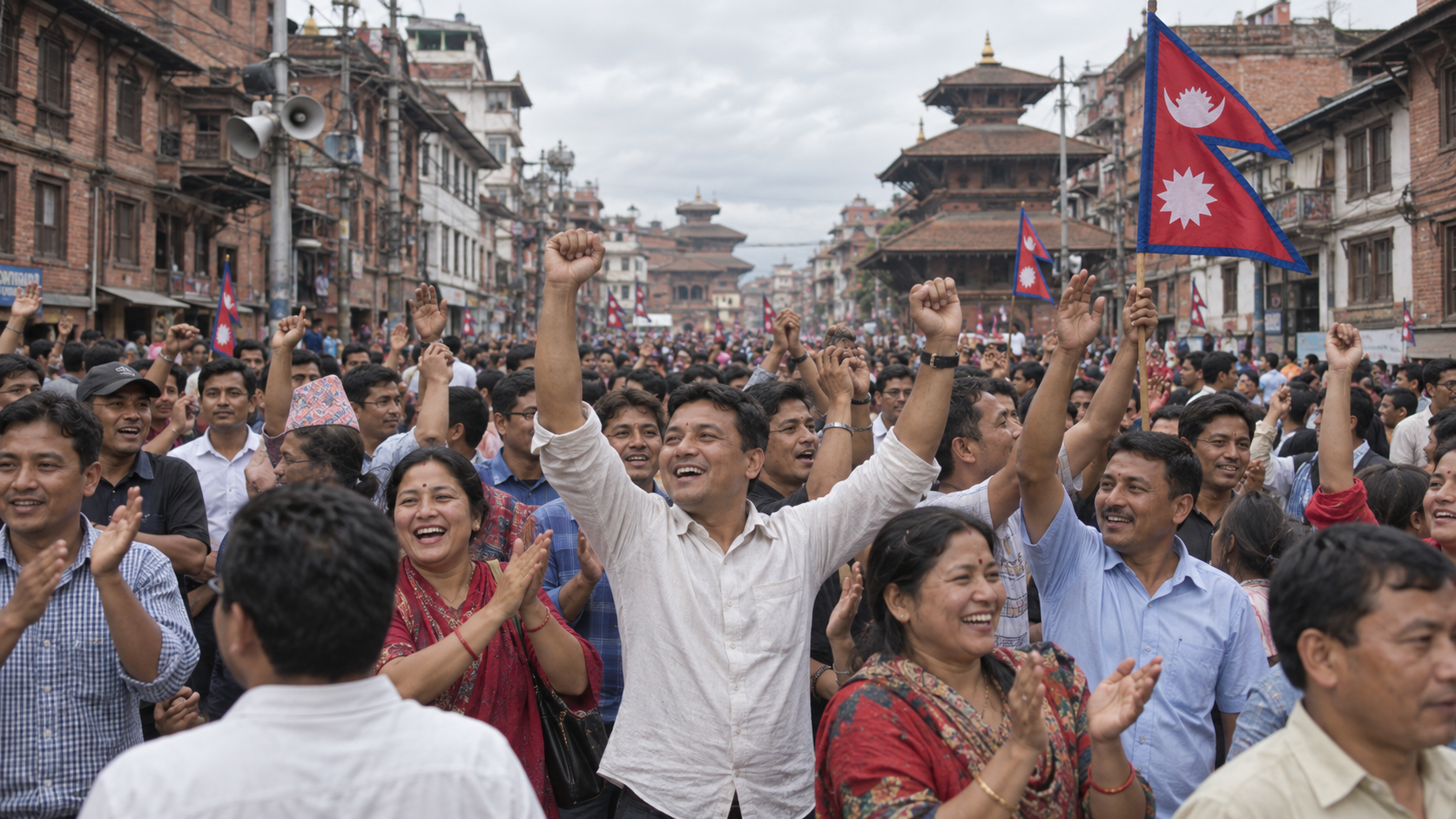
On This Day in Politics: May 28, 2008
On May 28, 2008, Nepal’s Constituent Assembly abolished the monarchy and declared the country a federal democratic republic. The decision ended the political position of King Gyanendra and turned a long-negotiated commitment into a formal change of state. The assembly gave the former king fifteen days to leave the royal palace in Kathmandu and treated him as an ordinary citizen. For supporters of republican government, the vote marked a decisive break with an institution that had stood at the center of national politics for generations. It also began a new phase in which elected representatives had to design and operate the institutions that would replace it.
The vote grew out of a peace process following a decade of Maoist insurgency. An agreement in 2006 had placed a constituent assembly and political restructuring at the center of the transition. The assembly was elected in April 2008, after repeated delays, and its responsibilities extended beyond removing the king. It was expected to draft a constitution and help establish a presidency for the new republic. The monarchy’s abolition had already been anticipated by an interim parliamentary decision in December 2007. The May vote therefore fulfilled a prior political bargain, while giving it the authority of the newly elected body. The difficult work of governing still lay ahead.
The electoral arrangements reflected efforts to widen participation. The planned 601-member assembly combined 240 constituency seats with 335 seats allocated through proportional representation and 26 appointed members. Party lists included requirements intended to bring more women and historically marginalized communities into public decision-making. International observers from the Carter Center followed preparations across Nepal and described the election as an unusually far-reaching transformation. Its importance was not limited to choosing a new government. It offered a way to move political competition into representative institutions after armed conflict, while giving groups excluded from older structures a stronger voice in debates over the country’s future.
The Maoists emerged as the largest force in the election, but they did not hold an outright majority. Parties still had to negotiate over leadership and the shape of the new system. Disputes concerning the government and demands for regional autonomy showed that agreement on ending the monarchy did not settle every question of power. A president and a new prime minister were selected later in 2008 as the transition continued. May 28 remains significant because it changed the source and structure of national authority. It was a clear constitutional turning point, even though building a durable and broadly representative republic required further bargaining, institution-building, and public participation.
Nepal declared a federal democratic republic on May 28, 2008.
The Constituent Assembly abolished King Gyanendra’s monarchy.
The former king was given fifteen days to leave the palace.
The assembly also faced the task of drafting a constitution.
The electoral system widened representation for women and marginalized communities.
Disagreements over leadership and regional autonomy continued after the vote.
Explore more of "On This Day ..."
Discover more events from the same date across news, politics, technology, sports, and other fields. Each link highlights significant moments that shaped history on different fronts.