

On This Day in Business: August 25, 1916
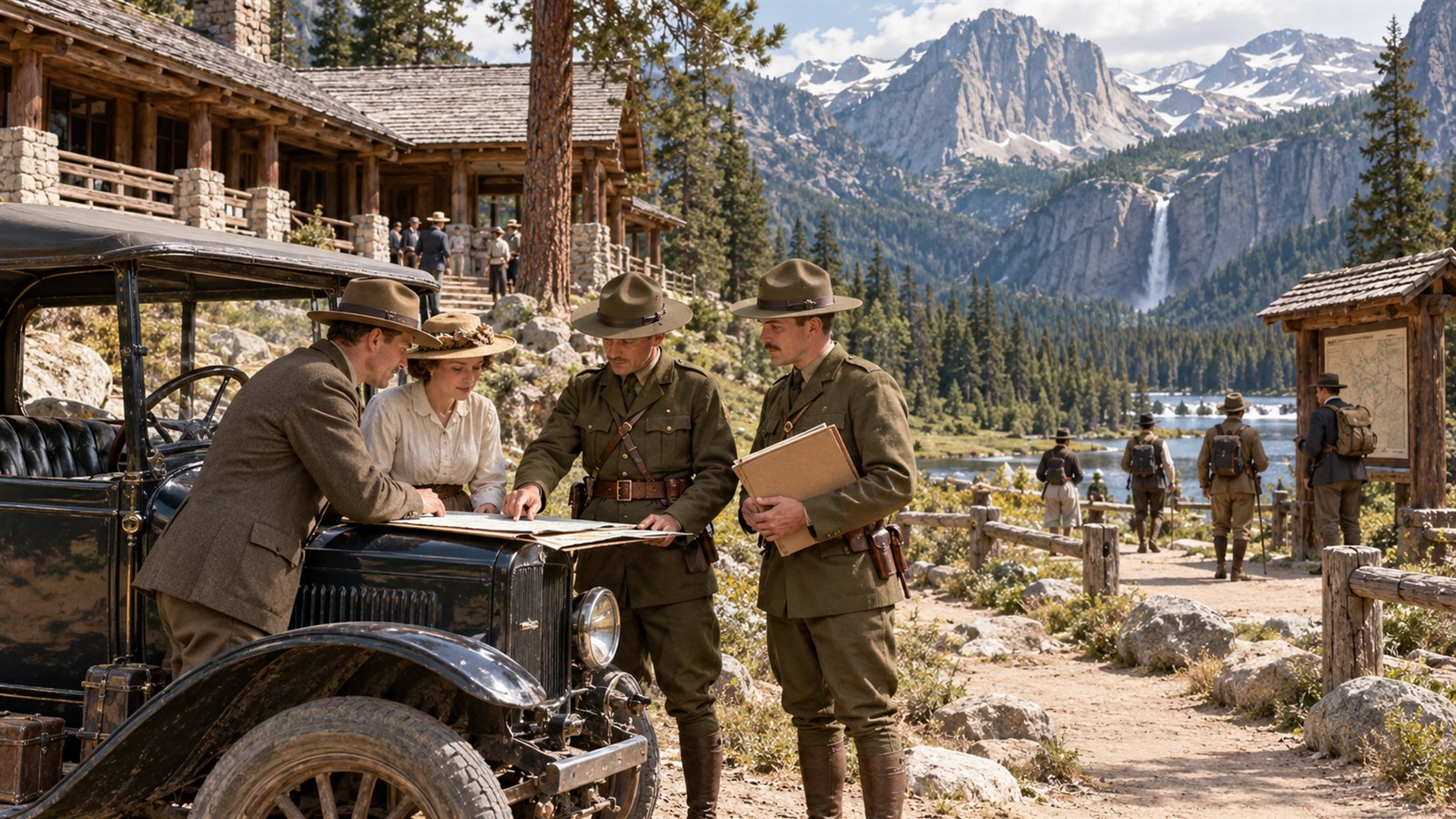
President Woodrow Wilson signed the Organic Act creating the National Park Service on August 25, 1916. The new bureau within the Department of the Interior was charged with managing the national parks and monuments already under the department and future sites added to the system. Its mission paired two goals that can pull in different directions: conserve scenery, wildlife, and historic objects while providing for public enjoyment. The agency brought centralized administration to places that had previously been managed through a patchwork of civilian custodians, military units, and other government offices.
The National Park Service also became part of a tourism economy. Railroads, automobile clubs, hotels, guide services, and nearby communities all benefited when parks were promoted and made accessible. Stephen Mather, the agency's first director, had a business background and understood publicity. Supporters argued that coordinated management would protect valuable landscapes while encouraging Americans to visit them. Roads, visitor facilities, maps, and ranger services made the parks easier to use, but they also introduced development pressures and costs that required long-term planning.
Public lands do not operate like ordinary private products. Their value includes experiences, ecosystems, scientific knowledge, cultural memory, and benefits preserved for people who have not yet been born. At the same time, funding, staffing, concessions, transportation, and local employment involve real economic choices. The Park Service became a steward and a platform for private activity, granting concession opportunities while setting rules intended to protect the underlying resource. That balance has always been contested, especially where heavy visitation, extraction interests, tribal rights, or development proposals collide.
The system has expanded to hundreds of units and supports a broad recreation and hospitality market. Its economic contribution depends on assets the agency is instructed not to consume: landscapes and historic places must remain appealing and intact. The 1916 law therefore offers a durable lesson in stewardship. Some institutions create value by limiting short-term exploitation and maintaining trust across generations. For businesses near parks, conservation is not separate from commerce; it sustains the attraction on which visitor spending depends. The challenge is ensuring that access, local benefit, and preservation reinforce rather than destroy one another. Visitor spending can be counted in hotel rooms, meals, fuel, equipment, and wages, but the resource attracting that spending often has no ordinary market price. That mismatch makes credible public stewardship essential: the institution must defend long-term value even when short-term commercial demand pushes in another direction.
Wilson signed the act creating the National Park Service on August 25, 1916.
The new bureau centralized management of national parks and monuments under the Interior Department.
Its mission joined conservation with public enjoyment, creating a permanent management tension.
Railroads, hotels, guide services, and gateway communities benefited as park tourism expanded.
Concessions and visitor infrastructure required rules that protected the underlying public resource.
The system demonstrates how long-term stewardship can sustain economic value across generations.
Explore more of "On This Day ..."
Discover more events from the same date across news, politics, technology, sports, and other fields. Each link highlights significant moments that shaped history on different fronts.