

On This Day in Business: November 9, 1967
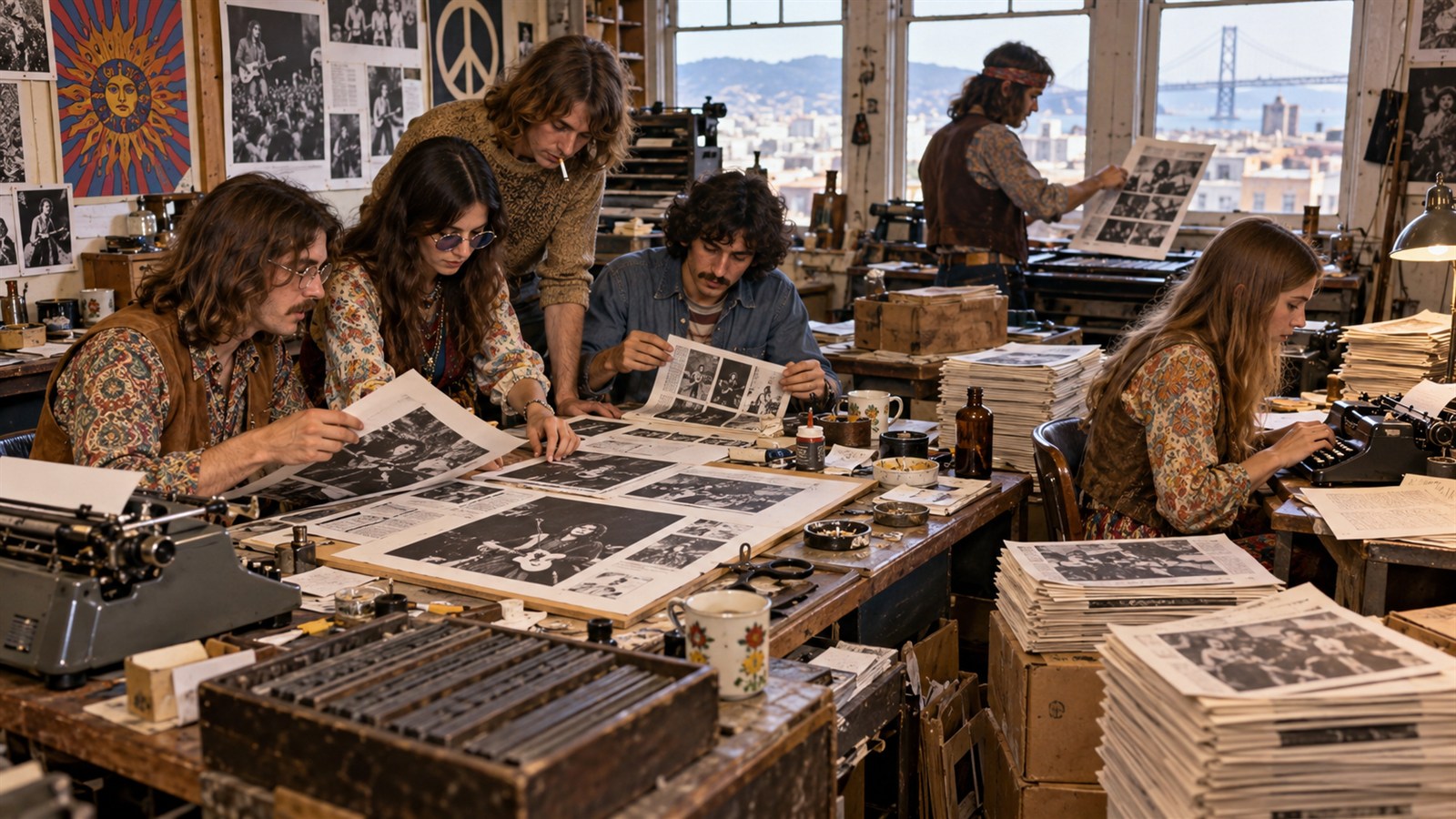
On November 9, 1967, the first issue of Rolling Stone was published in San Francisco. Jann Wenner and music critic Ralph J. Gleason launched the paper with a small staff, limited capital, and a conviction that rock music deserved serious reporting. John Lennon appeared on the cover in a film publicity image, giving the new title an immediate connection to a major cultural figure. The launch joined creative ambition to a distribution system that could reliably reach an audience. That combination matters because content has little economic value without access, while a network has little reason to exist without programming distinctive enough to make viewers, listeners, or readers return.
The publication entered a gap between trade magazines, underground papers, and general-interest media. It combined music coverage with politics, criticism, interviews, and photography for readers who saw rock as part of a broader identity. The editorial position created a definable audience that advertisers, record companies, bookstores, and newsstands could recognize. The business model required choices about technology, schedule, rights, talent, and promotion before demand was fully known. Managers were effectively buying an option on future attention, accepting near-term uncertainty in exchange for the chance to establish habits and a recognizable position in a new market.
Growth depended on more than celebrity access. The magazine had to produce reliably, distribute nationally, develop writers and photographers, and maintain credibility while covering industries that bought advertising. Successful issues became collectible objects, and the brand later extended into books, events, licensing, digital media, and international editions. Once the audience formed, the enterprise could extend value through advertising, subscriptions, licensing, syndication, merchandise, or repeat exhibition. Yet scale also raised expectations: the brand had to deliver consistently, protect credibility, and keep adapting as competitors copied the format or distribution changed.
The first issue demonstrates how a focused editorial thesis can become a business asset. Rolling Stone did not invent its subject, but it organized a community around a voice and a standard of coverage. Media brands remain valuable when audiences trust their selection and judgment, especially as distribution shifts and the cost of publishing falls. The durable lesson is that media companies are built from both stories and systems. Creative work attracts attention, but operational reliability, rights ownership, audience insight, and distribution determine how long that attention can be converted into revenue. A premiere matters most when it begins a repeatable relationship. In practical terms, the advantage came from linking a clear customer promise to disciplined execution. Capital had to be allocated before demand was certain, employees and partners had to coordinate, and leaders had to keep learning after the initial milestone passed into history.
Rolling Stone's first issue appeared on November 9, 1967.
The magazine began with a small San Francisco staff.
John Lennon appeared on the first cover.
Its editorial mix treated rock music as serious culture and business.
A defined audience supported national distribution and advertising.
The brand later expanded across formats and international editions.
Explore more of "On This Day ..."
Discover more events from the same date across news, politics, technology, sports, and other fields. Each link highlights significant moments that shaped history on different fronts.