

On This Day in AI: January 10, 2024
On January 10, 2024, OpenAI launched the GPT Store from San Francisco, creating a central place for users to discover custom versions of ChatGPT. The company said people had already built more than three million GPTs in the two months since the customization tools were announced. The store began rolling out to subscribers on ChatGPT Plus and the newly introduced Team plan, with Enterprise access promised afterward. Users could browse featured and trending tools in categories such as writing, research, programming, education and lifestyle. Early featured GPTs included services from AllTrails, Khan Academy, Canva and the academic-search platform Consensus. The launch converted a fast-growing collection of individually shared chatbots into a searchable product ecosystem.
Custom GPTs allowed a builder to combine written instructions, uploaded knowledge and selected capabilities without conventional software development. A cooking assistant could rely on a recipe collection, while a company tool could answer questions about internal documents. That flexibility lowered the barrier to creating a focused AI service, but distribution remained difficult when a builder had only a direct link. The store addressed discovery with search, category pages, featured selections and a community leaderboard. OpenAI required public builders to verify a profile and submit tools to a review system that combined automated screening with human review. Users could also report GPTs that appeared to violate policy.
The launch left important questions unresolved. Builders could not charge customers directly on opening day, and OpenAI said a United States revenue program based on engagement would begin later, without announcing full criteria. Custom tools also inherited the limitations of the underlying models, including factual errors, unpredictable behavior and risks created by sensitive uploaded data or outside actions. Store placement concentrated power in the platform’s moderation and ranking decisions. Users still needed to judge whether a specialized assistant’s instructions, knowledge and connected services were suitable for the task, and popular placement was not a guarantee of reliability. The scale of the catalog also made comparison, reputation and maintenance ongoing challenges for both creators and users. Even with those constraints, January 10 marked a change in how generative AI products reached users. Instead of treating one chatbot as a single general-purpose application, the GPT Store presented a catalog of specialized assistants assembled by organizations and individuals. The approach helped define a wider market for configurable AI agents, while making governance, quality control and creator incentives part of the product rather than problems left entirely to developers.
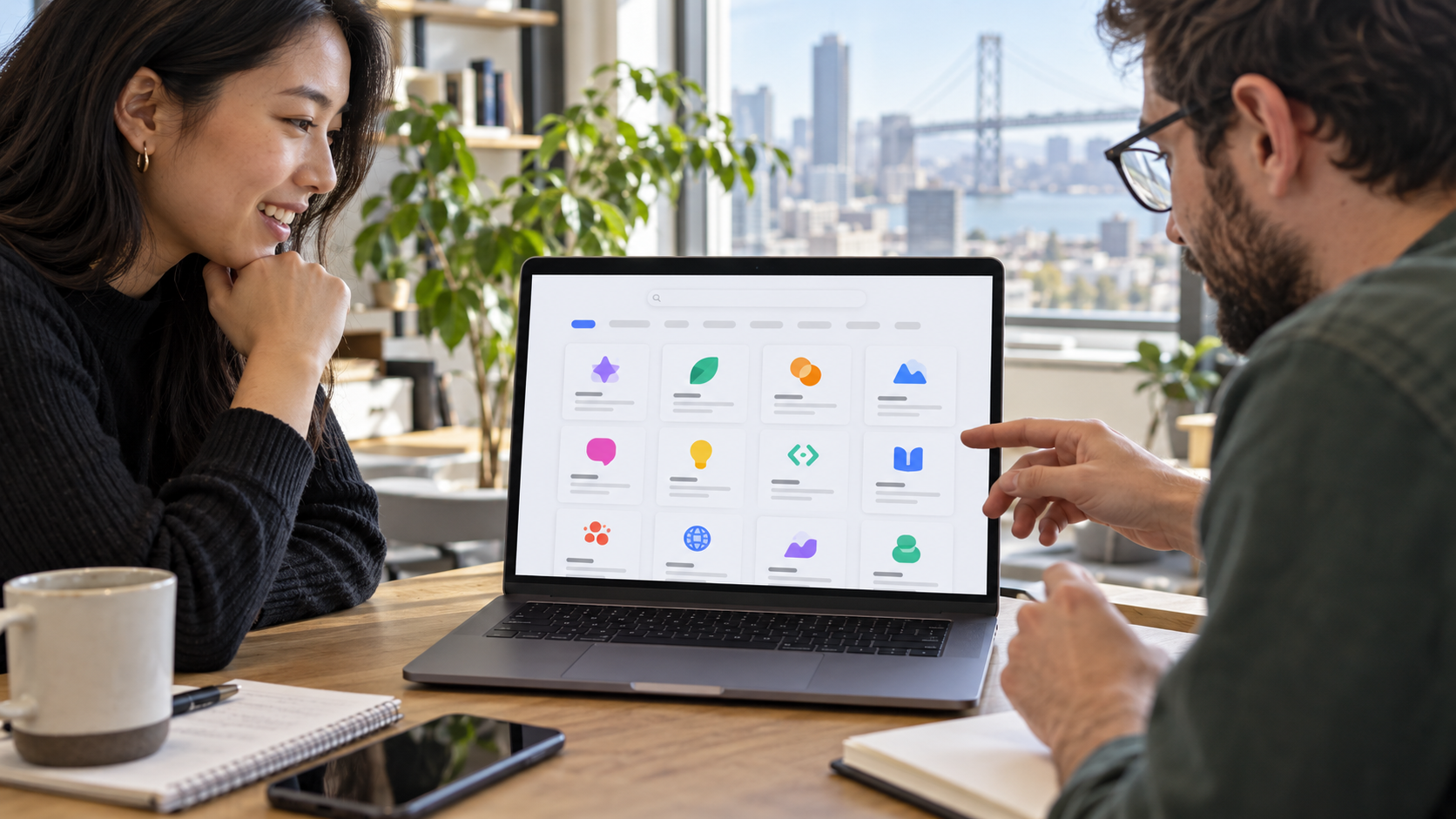
The store organized custom GPTs into searchable categories and highlighted featured and trending tools. It gave users one destination for finding specialized assistants that had previously circulated mainly through direct links.
Launch categories included writing, research, programming, education and lifestyle. Featured partners demonstrated that GPTs could support tasks ranging from trail discovery and tutoring to presentation design and academic search.
Builders could shape a GPT with natural-language instructions, reference files and selected capabilities instead of writing a conventional application from scratch. Public listing required a verified builder profile.
OpenAI also introduced review and reporting processes that combined automated checks with human oversight. Those controls were necessary because custom instructions and connected actions could create new safety and privacy risks.
More than three million GPTs had been created before the store opened, giving the launch an unusually large starting catalog. Discovery and ranking therefore became as important as the building tools themselves.
Revenue sharing was promised but not fully defined at launch. The store's longer legacy lies in treating configurable assistants as an ecosystem while revealing tensions around platform control, quality, moderation and creator incentives.
Explore more of "On This Day ..."
Discover more events from the same date across news, politics, technology, sports, and other fields. Each link highlights significant moments that shaped history on different fronts.