

On This Day in AI: January 12, 2018
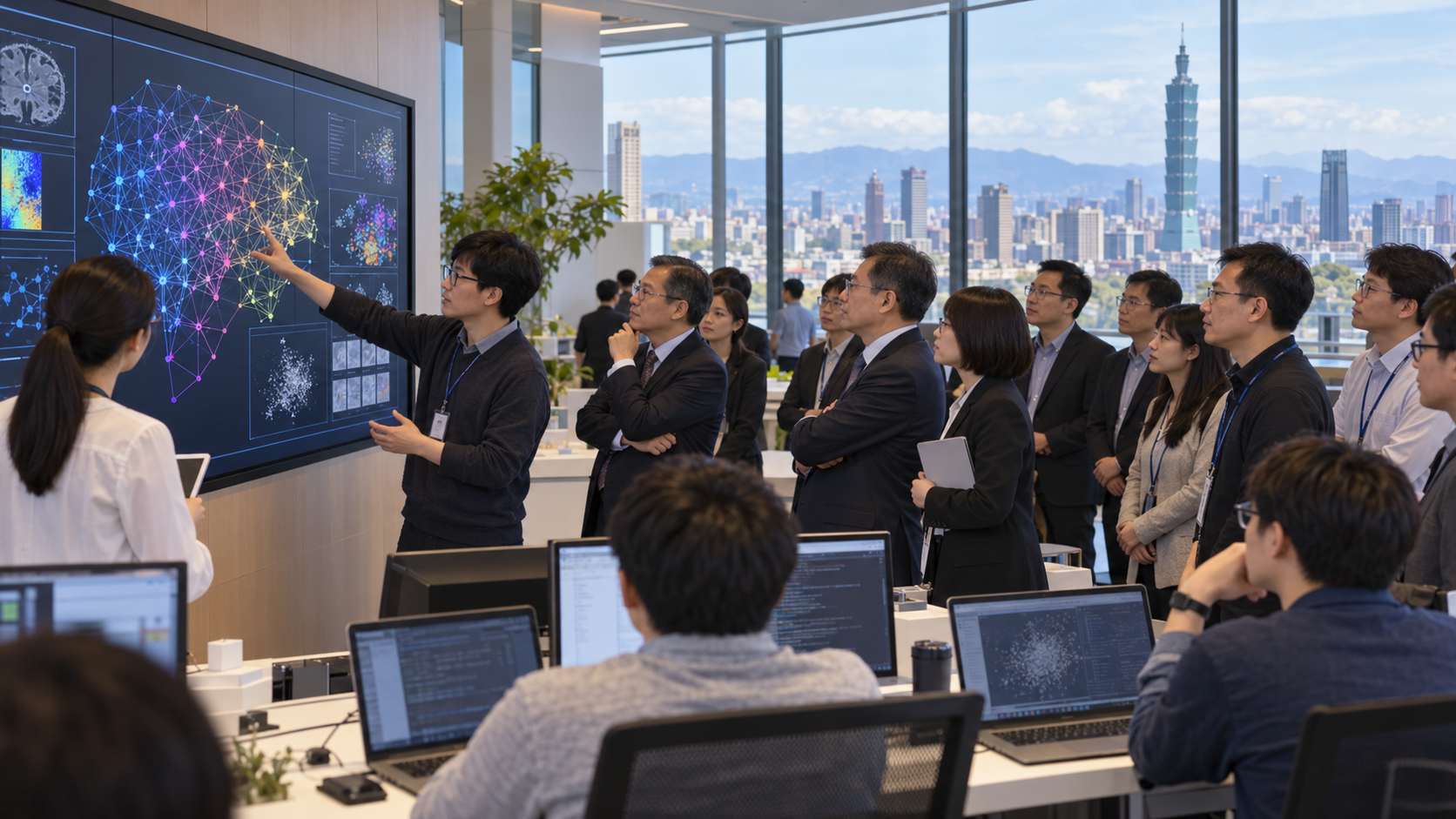
On January 12, 2018, in Taipei, Microsoft announced that it would establish an artificial intelligence research and development center in Taiwan. The company made the announcement with Taiwan’s Ministry of Economic Affairs and said the new hub would recruit more than one hundred researchers during its first two years, with a longer-term goal of creating a team of about two hundred. Microsoft identified natural-language processing, computer vision, speech recognition, and machine learning as core areas of work. The center would also connect Taiwan’s engineering talent and hardware supply chain with Microsoft’s global cloud and AI research operations. The decision gave the island a prominent role in the company’s expanding regional AI strategy.
Taiwan already had a strong semiconductor, electronics, and information-technology sector, but policymakers wanted more of the software and research activity that shaped emerging AI products. Microsoft had operated in Taiwan since 1989 and had relationships with universities, manufacturers, and enterprise customers. The planned center was designed to turn those connections into a research base that could build tools for Asian languages and local industries rather than simply adapting products developed elsewhere. Company representatives emphasized applications such as intelligent manufacturing, healthcare, retail, and financial services. The announcement also reflected a broader competition among governments to attract scarce AI specialists and to translate established hardware expertise into higher-value software, data, and cloud services.
The January 12 announcement was a commitment to build a center, not the completion of a fully staffed laboratory. Hiring, partnerships, and research results would develop over time, and the size of an office alone could not guarantee scientific breakthroughs. Even so, the hub became part of Microsoft’s larger investment in Taiwan and helped strengthen links among universities, local companies, and global technology teams. It also highlighted a lasting feature of modern AI development: progress depends not only on algorithms, but on computing infrastructure, skilled researchers, language knowledge, and networks of suppliers. For Taiwan, the project supported an effort to move beyond contract manufacturing toward research-intensive services. For Microsoft, it offered access to a dense technology ecosystem and a base for products designed with regional languages and markets in mind. The event matters as an early sign that advanced AI research was becoming geographically distributed, with companies building major teams outside their traditional headquarters to serve local needs and compete for talent. That geographic spread could also produce systems better suited to local speech, writing, regulation, and business practices. It gave Taiwanese researchers more opportunities to lead projects without leaving the region and created a stronger bridge between academic work and commercial deployment.
Taiwan combined a deep electronics supply chain with strong universities and experienced software engineers. Microsoft could connect that talent to its cloud and global research organization.
The government was also encouraging investment that would move the economy toward research, software, and data-intensive services alongside its established hardware strengths.
Microsoft named natural-language processing, computer vision, speech recognition, and machine learning as priority areas. Regional language and industry needs gave the work a practical focus.
The announcement set hiring targets rather than reporting a finished laboratory. Recruitment, university partnerships, and product development still had to follow.
The Taipei hub showed major AI companies placing research teams closer to local talent, languages, customers, and manufacturing networks instead of concentrating every project at headquarters.
That model became increasingly important as demand grew for systems that reflect regional languages and operating conditions rather than treating one market as universal.
Explore more of "On This Day ..."
Discover more events from the same date across news, politics, technology, sports, and other fields. Each link highlights significant moments that shaped history on different fronts.