

On This Day in Pop: January 26, 1988
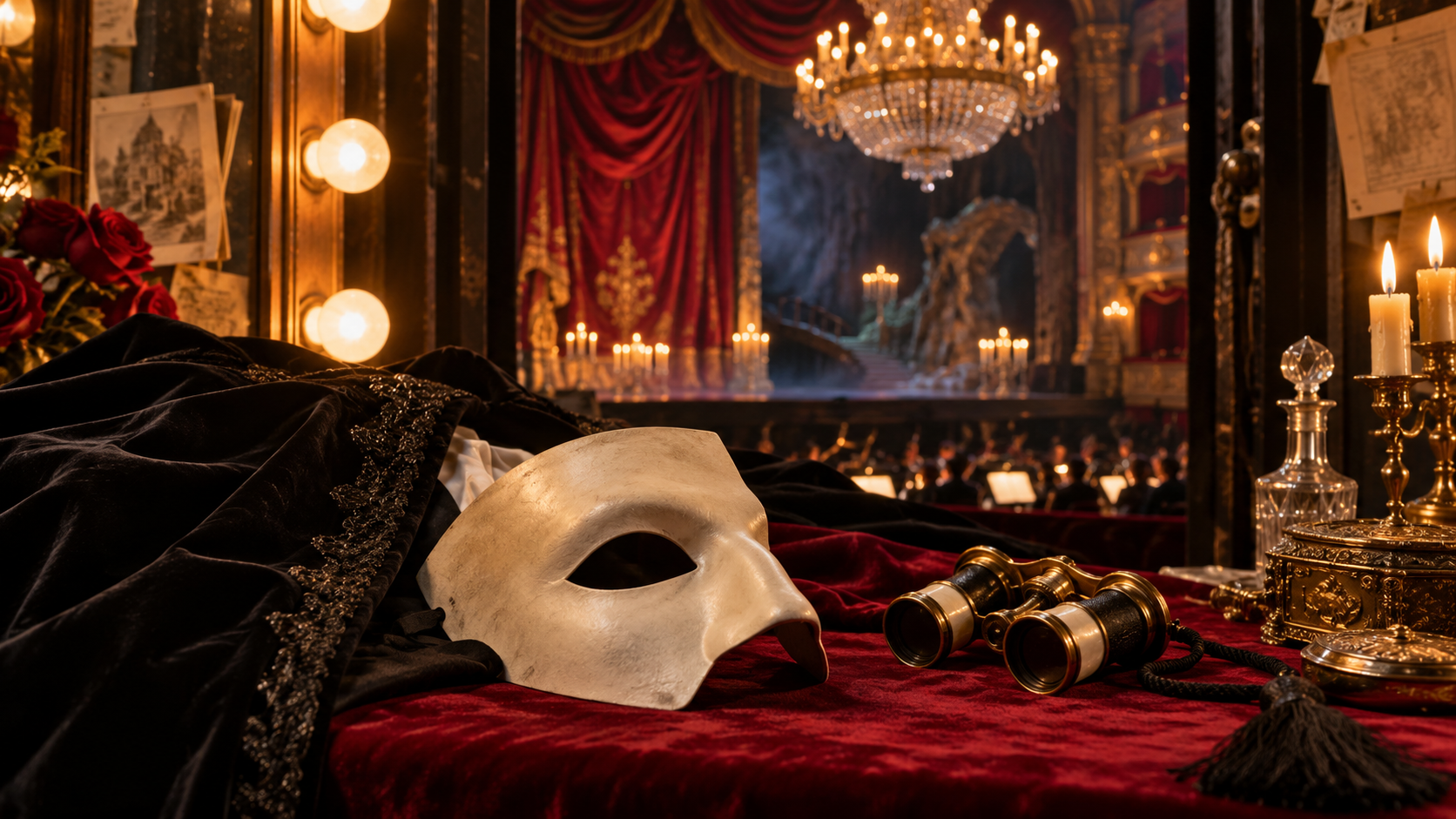
The Phantom of the Opera opened at Broadway’s Majestic Theatre on January 26, 1988, transferring to New York after its successful 1986 London debut. Andrew Lloyd Webber composed the score, Charles Hart wrote most of the lyrics and Richard Stilgoe contributed lyrics and the book with Lloyd Webber. Director Harold Prince staged the story from Gaston Leroux’s novel as a sweeping mixture of romance, Gothic melodrama and backstage spectacle. Michael Crawford played the masked Phantom and Sarah Brightman played Christine Daaé, repeating their London roles. The falling chandelier, candlelit underground lake and elaborate opera scenes made stagecraft part of the audience’s fascination.
The production arrived during an era of large British musicals sometimes labeled “megamusicals,” works built around memorable logos, repeated musical motifs and scenery capable of becoming an attraction in itself. Yet Phantom endured because its machinery supported an emotionally direct triangle among Christine, the Phantom and Raoul. Songs including “The Music of the Night,” “All I Ask of You” and the title duet circulated far beyond the theater through cast recordings and concert performance. Crawford’s performance combined menace with vulnerability, while the mask supplied one of modern theater’s most recognizable images. The show won major Tony Awards, including best musical, and quickly became a destination for tourists as well as regular theatergoers.
In 2006, Phantom passed Cats to become the longest-running show in Broadway history. It ultimately played 13,981 performances before closing on April 16, 2023, after more than thirty-five years at the Majestic. That record reflects changing casts, backstage crews and audiences rather than an untouched original object. Thousands of performers and technicians learned to reproduce demanding cues while maintaining the illusion of spontaneity. The production’s scale also represents a business model with high costs and dependence on sustained ticket demand, vulnerabilities made clear by the COVID-19 shutdown and uneven recovery. Critical opinion has always varied, with some admiring its craftsmanship and others finding the romance or spectacle excessive. January 26 nevertheless marks an extraordinary theatrical beginning: a single opening night grew into a multigenerational institution that redefined what longevity on Broadway could mean. Its closing did not erase the franchise: touring and international productions continue to reinterpret the material, while generations of performers carry techniques learned inside the Broadway company into other theaters. The run became a training ground as well as a tourist landmark. Its legacy remains active worldwide.
The Broadway staging followed the London production and reunited Michael Crawford with Sarah Brightman.
Its chandelier, underground lake and mask made technical imagery inseparable from the musical’s identity.
The scale that attracted audiences also required expensive, precisely repeated backstage labor.
Long-running productions change personnel continually even when they preserve a consistent public experience.
The show set a Broadway longevity record with 13,981 performances over more than thirty-five years.
Its music, logo and stage effects became reference points for global commercial theater.
Explore more of "On This Day ..."
Discover more events from the same date across news, politics, technology, sports, and other fields. Each link highlights significant moments that shaped history on different fronts.