

On This Day in Pop: February 5, 1919
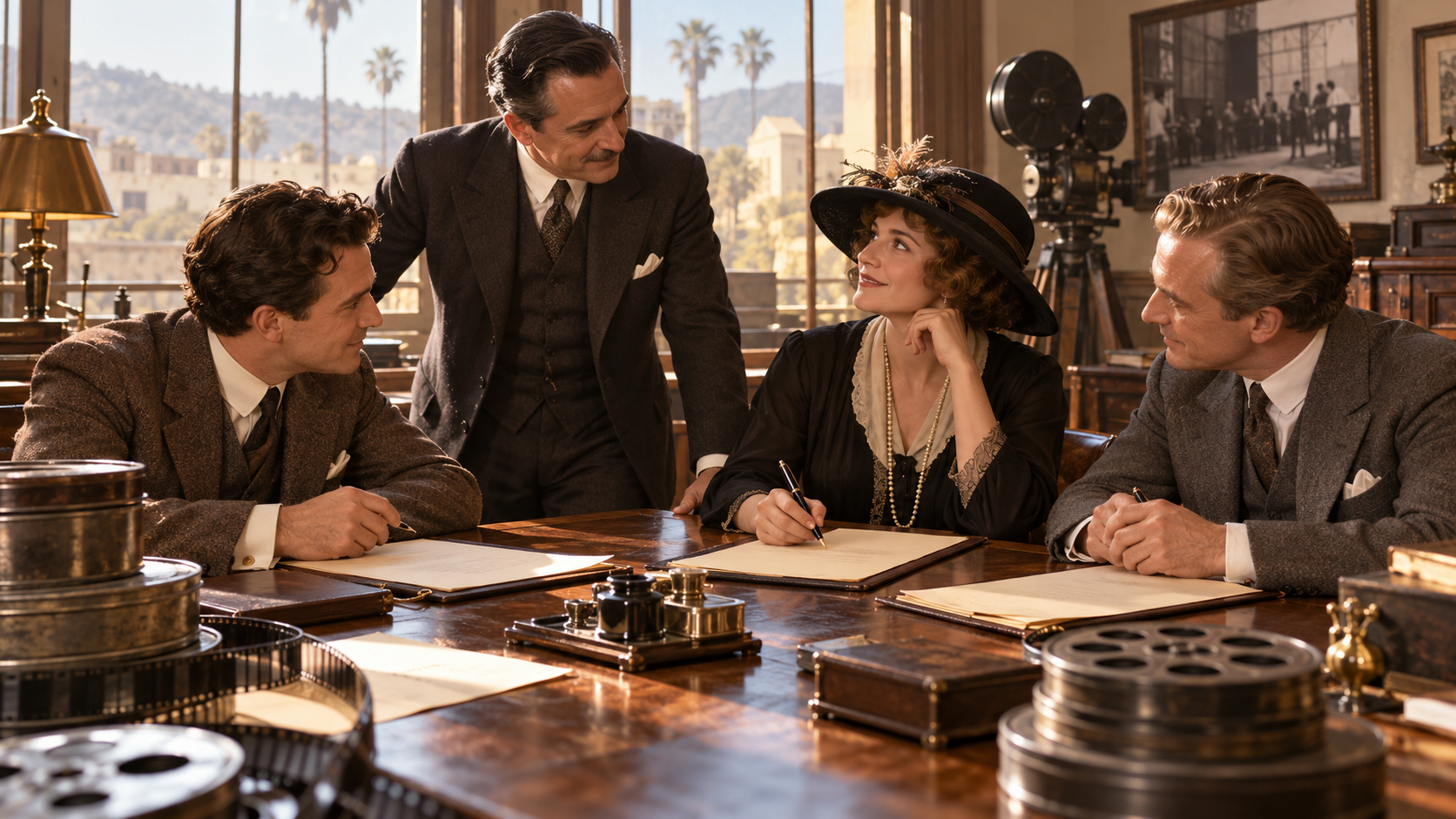
On February 5, 1919, four of the most powerful names in silent film—Charlie Chaplin, Mary Pickford, Douglas Fairbanks and director D. W. Griffith—formed United Artists. Their plan was unusually direct: rather than let established companies dictate schedules and distribution terms, they would release pictures made under their own creative control. The founders brought enormous fame to the venture, but they also brought different working methods, production tempos and financial needs, making the new company an experiment in both art and business. Viewed in its own time, the occasion was more than a neat calendar marker. It sat where entertainment, technology, publicity and public appetite met, and each of those forces helped determine who encountered it and what they made of it. Remembering the setting keeps the story grounded in decisions made by artists, producers, distributors and audiences rather than turning a complicated cultural shift into a single flash of inevitability.
Hollywood was rapidly consolidating, and control of theaters and distribution routes could determine whether a film found an audience. United Artists sought leverage for its producer-members by coordinating the release and promotion of independently made pictures. The arrangement did not eliminate commercial pressure; filmmakers still needed successful movies and reliable delivery. It did, however, offer an alternative to the growing studio system and made authorship, ownership and bargaining power part of a public conversation about the film industry. The response also shows how popular culture accumulates momentum. A performance, release or institutional choice can feel self-contained on the day it happens, yet its meaning expands through reviews, broadcasts, sales, conversation and imitation. Those channels do not affect every person in the same way, but together they can turn a dated event into a shared reference point, one that later work either follows, revises or pushes against.
The founders’ participation changed over time, and the company’s fortunes rose and fell, but the United Artists name remained attached to an extraordinary range of films. Its history complicates any simple story of independence defeating corporate power: creative freedom always operated alongside financing, distribution, marketing and audience demand. Still, the 1919 decision gave later producers a durable model and a potent idea—that artists might organize not only to make work but also to control how it reached the public and how its rewards were shared. That longer view is why the date remains useful. It provides a precise doorway into changes that unfolded unevenly and involved many contributors, including people whose labor was less visible than the headline names. The surviving recordings, films, photographs and documents let new audiences reconsider both the achievement and its limits. Pop history is strongest when celebration is paired with context, and this anniversary offers room for both.
Charlie Chaplin, Mary Pickford, Douglas Fairbanks and D. W. Griffith announced United Artists on February 5, 1919.
The setting and sequence matter because they show how the founding of United Artists reached the public on this particular date.
The company proposed giving major filmmakers greater control over production and distribution instead of surrendering completed work to established firms.
The first response came through the era’s available channels, from press and broadcast coverage to ticket buyers, listeners or viewers.
United Artists became an enduring symbol of creative independence even as its business model and ownership changed across the decades.
Its reputation has continued to develop through preservation, scholarship, revival and the interpretations of later audiences.
Explore more of "On This Day ..."
Discover more events from the same date across news, politics, technology, sports, and other fields. Each link highlights significant moments that shaped history on different fronts.