

How NFL Fair Catches Work Explainer
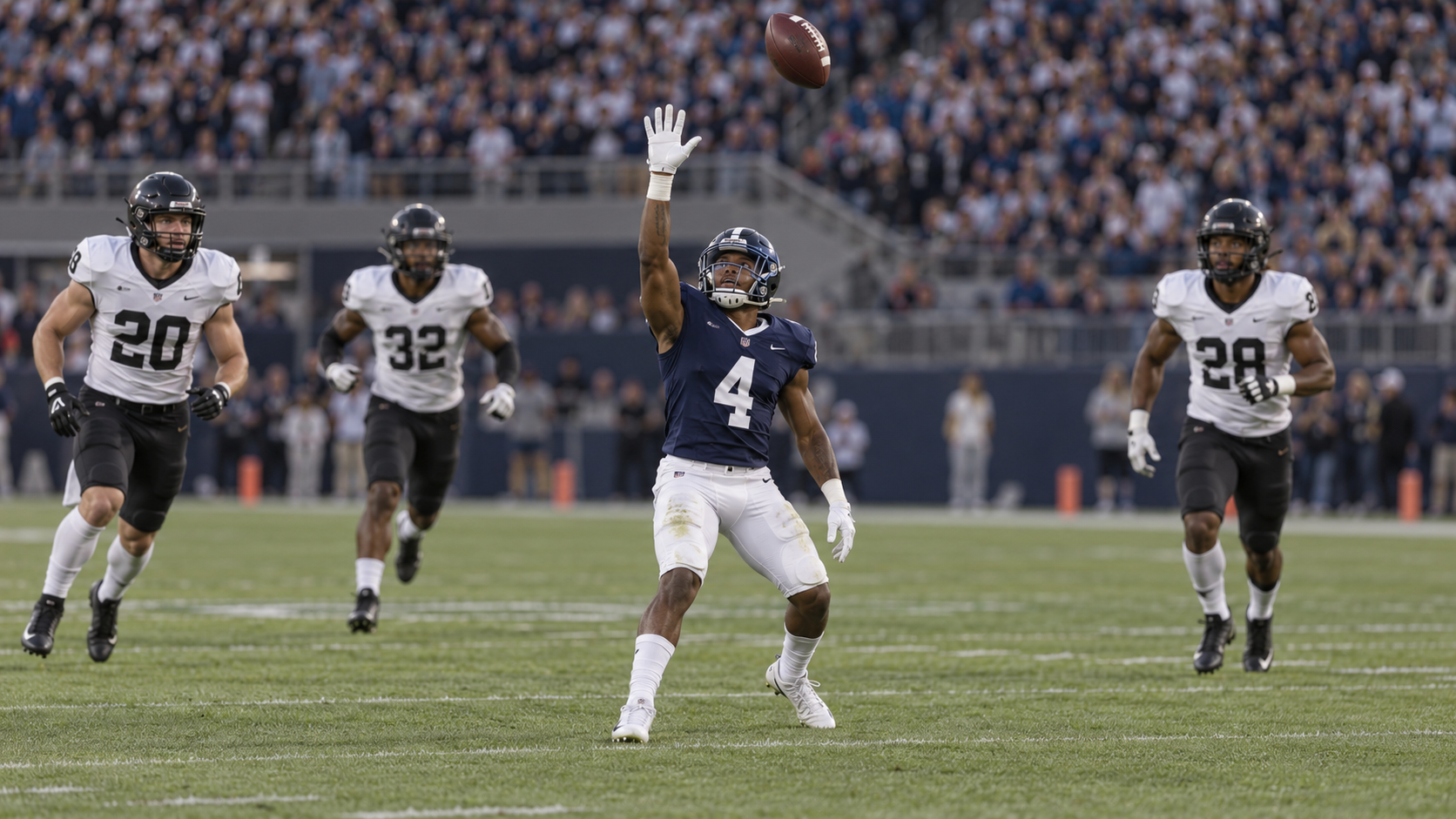
A fair catch allows a player receiving a punt or kickoff to catch the ball without being tackled immediately. The receiver must make a valid signal by clearly extending one arm above the helmet and waving it from side to side before the catch.
After a valid signal, the receiving team may not advance the ball. The ball becomes dead when caught, and the next offensive play begins at the catch spot, subject to special kickoff placement rules in the current rulebook. The signal also protects the receiver's opportunity to make the catch.
An invalid signal, such as a casual wave below the helmet, may still cause the ball to become dead when possessed but does not provide every protection of a valid signal. A teammate who signals also restricts the return. Officials judge the gesture by whether it could mislead the kicking team.
The returner is protected from interference before the catch, but that protection is not permission to contact an opponent or block after signaling. If the ball is muffed, it may remain live under the kick rules. Watch the arm signal first, then the official's whistle and spot.
The receiver extends one arm clearly above the helmet and waves it from side to side.
No. A valid fair-catch signal ends the return and the ball becomes dead when caught.
No. A valid signal protects the receiver's opportunity to complete the catch.
Explore more "Explainers"
Discover additional explainers across politics, science, business, technology, and other fields. Each explainer breaks down a complex idea into clear, everyday language—helping you better understand how major concepts, systems, and debates shape the world around us.