

On This Day in Pop: March 24, 1958
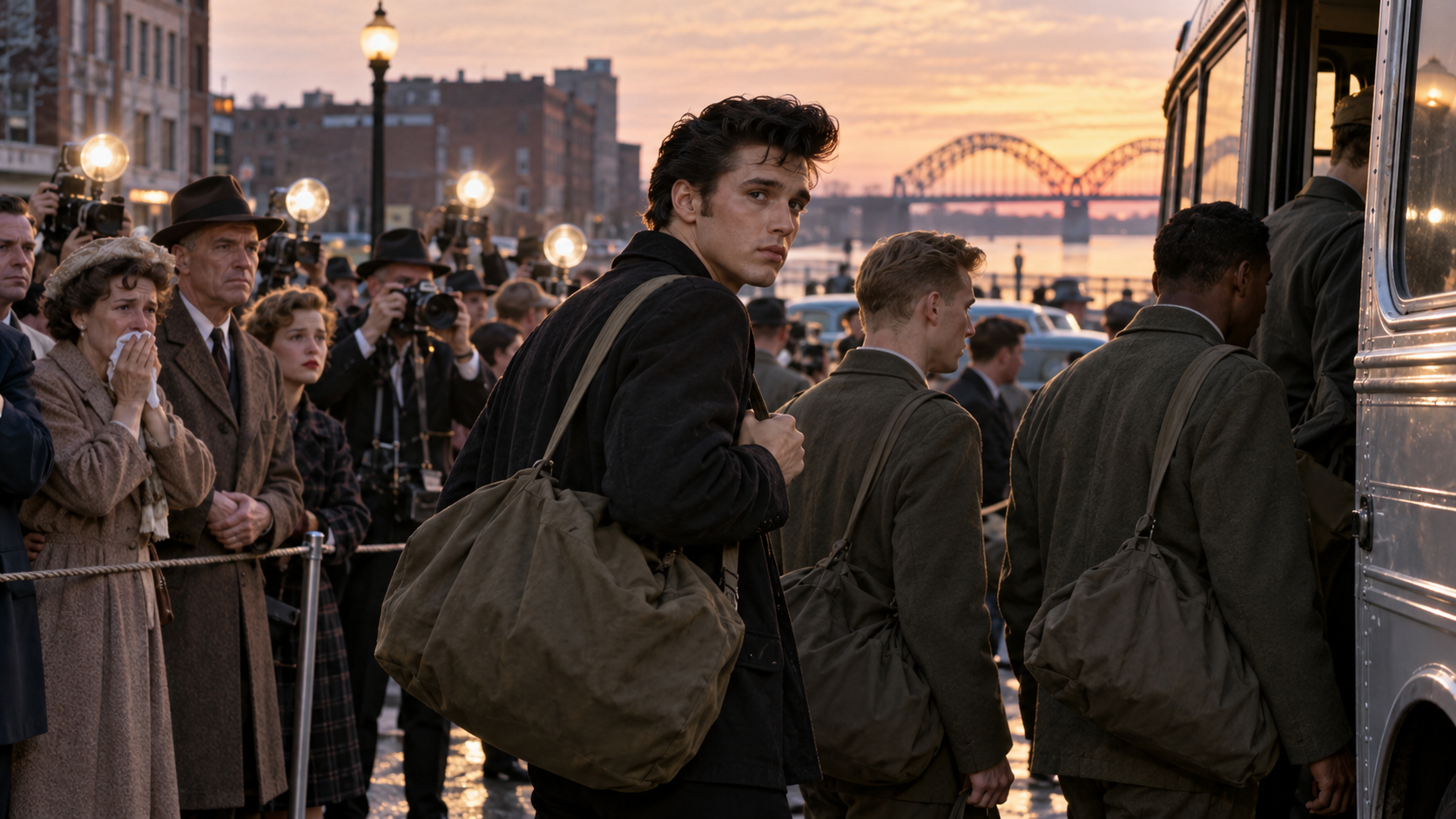
On March 24, 1958, Elvis Presley reported to the Memphis Draft Board and was inducted into the United States Army. He entered service at the height of his recording and movie career, received serial number 53310761 and traveled with other recruits for processing. Cameras followed every step, turning an ordinary obligation into a global celebrity story while officials emphasized that Presley would serve as a regular soldier. Seen in its own time, the occasion was more than a tidy calendar entry. It emerged from choices by performers, writers, technicians, executives and audiences, each working within the opportunities and constraints of the period. Restoring that setting keeps the story human and specific instead of treating a complicated cultural shift as inevitable.
Manager Colonel Tom Parker had secured a brief deferment so Presley could finish King Creole, then planned releases to keep his name before the public. After training at Fort Hood, Presley served in West Germany, where he met Priscilla Beaulieu. His mother Gladys died during his service, making the period personally devastating as well as professionally disruptive. The Army nevertheless helped recast his rebellious image into one of discipline and citizenship. The reaction also shows how popular culture gathers momentum. A premiere, broadcast, release or public appearance can feel self-contained on the day, yet its meaning expands through reviews, radio, television, sales, conversation and imitation. Those channels reach people unevenly, but together they can turn one event into a reference point that later work follows, revises or rejects.
Presley returned to civilian life in 1960 and quickly resumed recording, television and film work, proving that the interruption had not ended his career. Historians continue to debate how military service changed his music and public persona, but the induction remains an unmatched collision of mass fame and national duty. It also shows Parker’s skill at maintaining a commercial narrative even when the performer was largely unavailable. That longer view is why the date still matters. It opens a door onto changes involving many contributors, including people whose labor was less visible than the headline names. Recordings, films, photographs and documents allow later audiences to reconsider both the achievement and its limits. Pop history is strongest when celebration is paired with context, and this anniversary leaves room for both. Its afterlife also shows that cultural memory is active: anniversaries, restorations, reissues and fresh criticism keep changing which details receive attention and which assumptions are questioned. Looking back does not mean pretending everyone experienced the moment alike; it means noticing the distance between a public milestone, the industry around it and the private reactions beyond the spotlight.
Presley reported with other Memphis recruits, received an Army serial number and began processing before training at Fort Hood.
The setting and sequence matter because they show how Elvis Presley’s Army induction reached the public on this particular date.
The service interrupted a meteoric career, intensified press attention and allowed management to recast a controversial star as a dutiful citizen.
The immediate response traveled through the era’s available channels, from press and broadcast coverage to ticket buyers, listeners and viewers.
His successful return demonstrated the durability of modern celebrity and made the Army years a central chapter of the Elvis story.
Its reputation has kept developing through preservation, scholarship, revival and the interpretations of later audiences.
Explore more of "On This Day ..."
Discover more events from the same date across news, politics, technology, sports, and other fields. Each link highlights significant moments that shaped history on different fronts.