

On This Day in Pop: March 30, 1964
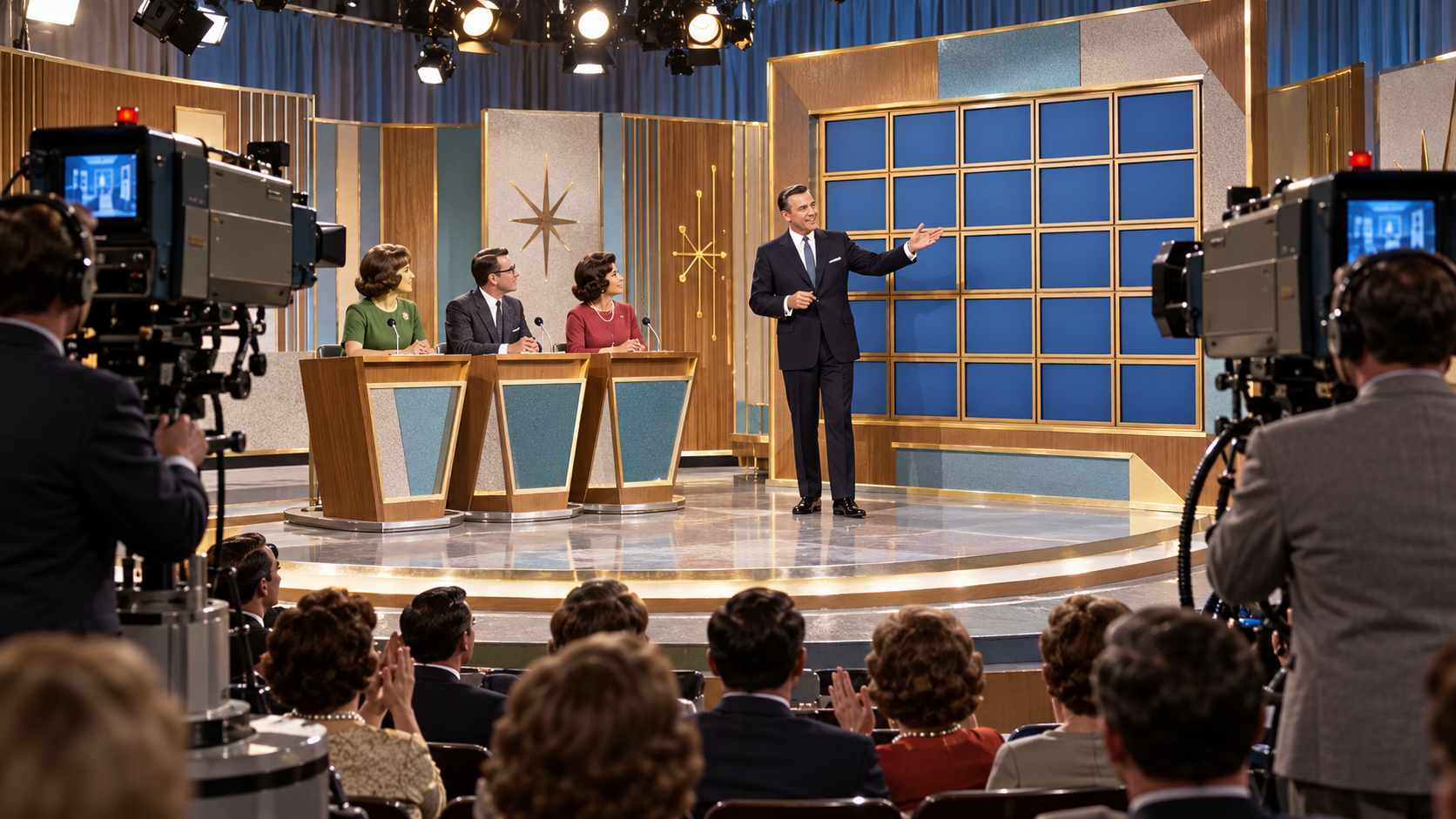
On March 30, 1964, Jeopardy! premiered on NBC’s daytime schedule with Art Fleming as host and Don Pardo as announcer. Created by Merv Griffin, the program responded to quiz-show scandals with a disarmingly simple reversal: contestants received clues framed as answers and had to supply questions. A board of categories and dollar values made knowledge visible as strategy, encouraging players to choose risk as well as recall. Seen in its own time, the occasion was more than a tidy calendar entry. It emerged from choices by performers, writers, technicians, executives and audiences, each working within the opportunities and constraints of the period. Restoring that setting keeps the story human and specific instead of treating a complicated cultural shift as inevitable.
The original series moved briskly through Jeopardy, Double Jeopardy and Final Jeopardy, accompanied by Griffin’s now-famous “Think” music. Contestants controlled the board, searched for Daily Doubles and wagered based on both confidence and opponents’ scores. That structure allowed home viewers to play along while respecting the competitors’ speed. The first version ran until 1975, followed by revivals before the syndicated Alex Trebek era began in 1984. The reaction also shows how popular culture gathers momentum. A premiere, broadcast, release or public appearance can feel self-contained on the day, yet its meaning expands through reviews, radio, television, sales, conversation and imitation. Those channels reach people unevenly, but together they can turn one event into a reference point that later work follows, revises or rejects.
Jeopardy! became a durable American institution, producing champions, tournaments, catchphrases and a vast archive of clues. Its format survived changes in hosts, technology and audience habits because the central pleasure remains legible: knowing something at the right moment under pressure. The debut date celebrates an elegant piece of television design, one flexible enough to support education, personality and suspense for more than six decades. That longer view is why the date still matters. It opens a door onto changes involving many contributors, including people whose labor was less visible than the headline names. Recordings, films, photographs and documents allow later audiences to reconsider both the achievement and its limits. Pop history is strongest when celebration is paired with context, and this anniversary leaves room for both. Its afterlife also shows that cultural memory is active: anniversaries, restorations, reissues and fresh criticism keep changing which details receive attention and which assumptions are questioned. Looking back does not mean pretending everyone experienced the moment alike; it means noticing the distance between a public milestone, the industry around it and the private reactions beyond the spotlight. The tension between the immediate event and the story later told about it is part of what makes this episode worth revisiting instead of merely listing.
Merv Griffin’s daytime quiz premiered with Art Fleming, Don Pardo and a clue-first format created in response to scandal-era distrust.
The setting and sequence matter because they show how Jeopardy’s television debut reached the public on this particular date.
Board control, wagers and phrasing responses as questions made the game easy to follow at home but strategically demanding in the studio.
The immediate response traveled through the era’s available channels, from press and broadcast coverage to ticket buyers, listeners and viewers.
Revived in syndication, the format became a cultural institution built around champions, tournaments and the pleasure of shared knowledge.
Its reputation has kept developing through preservation, scholarship, revival and the interpretations of later audiences.
Explore more of "On This Day ..."
Discover more events from the same date across news, politics, technology, sports, and other fields. Each link highlights significant moments that shaped history on different fronts.